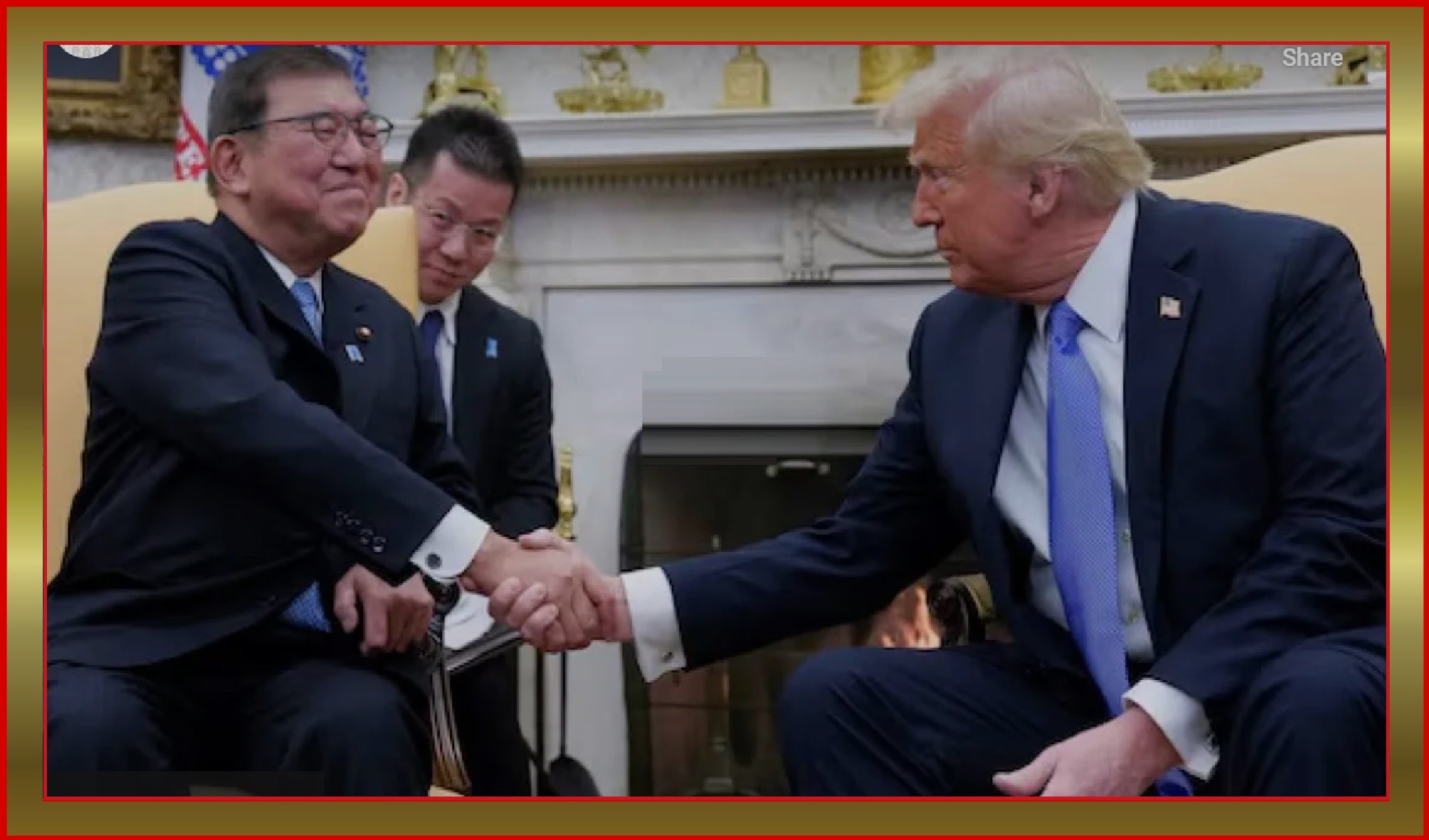
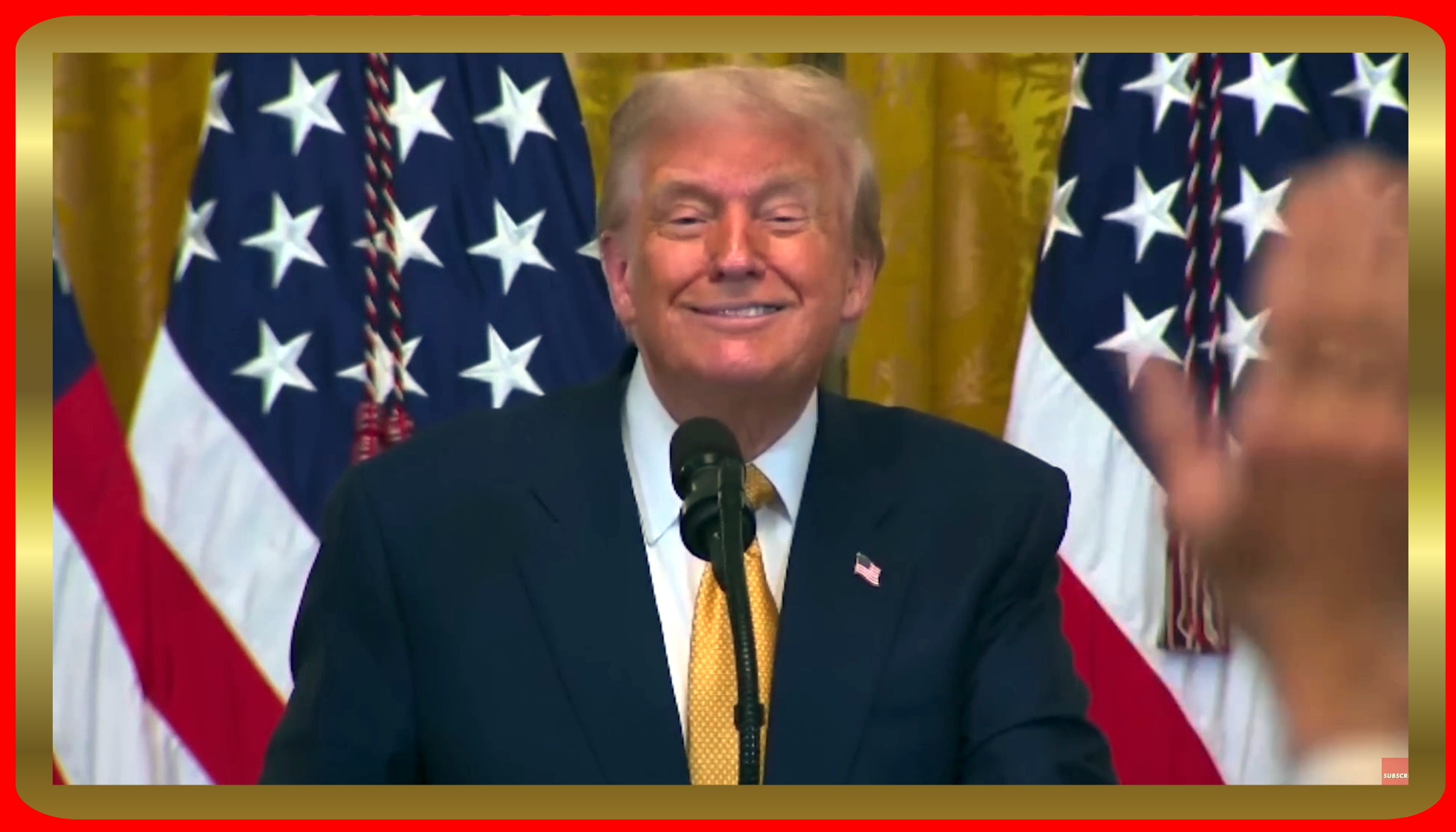
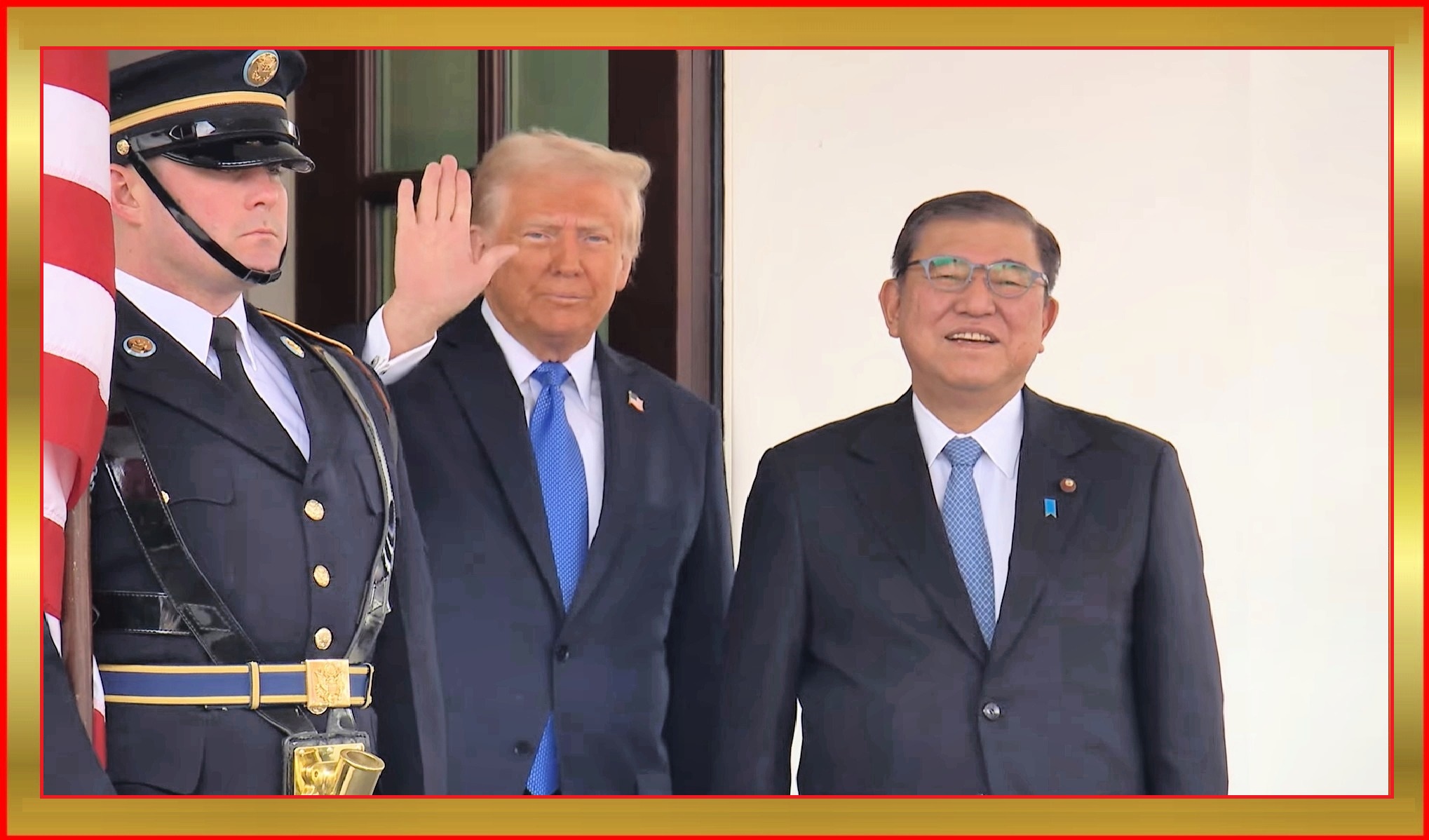
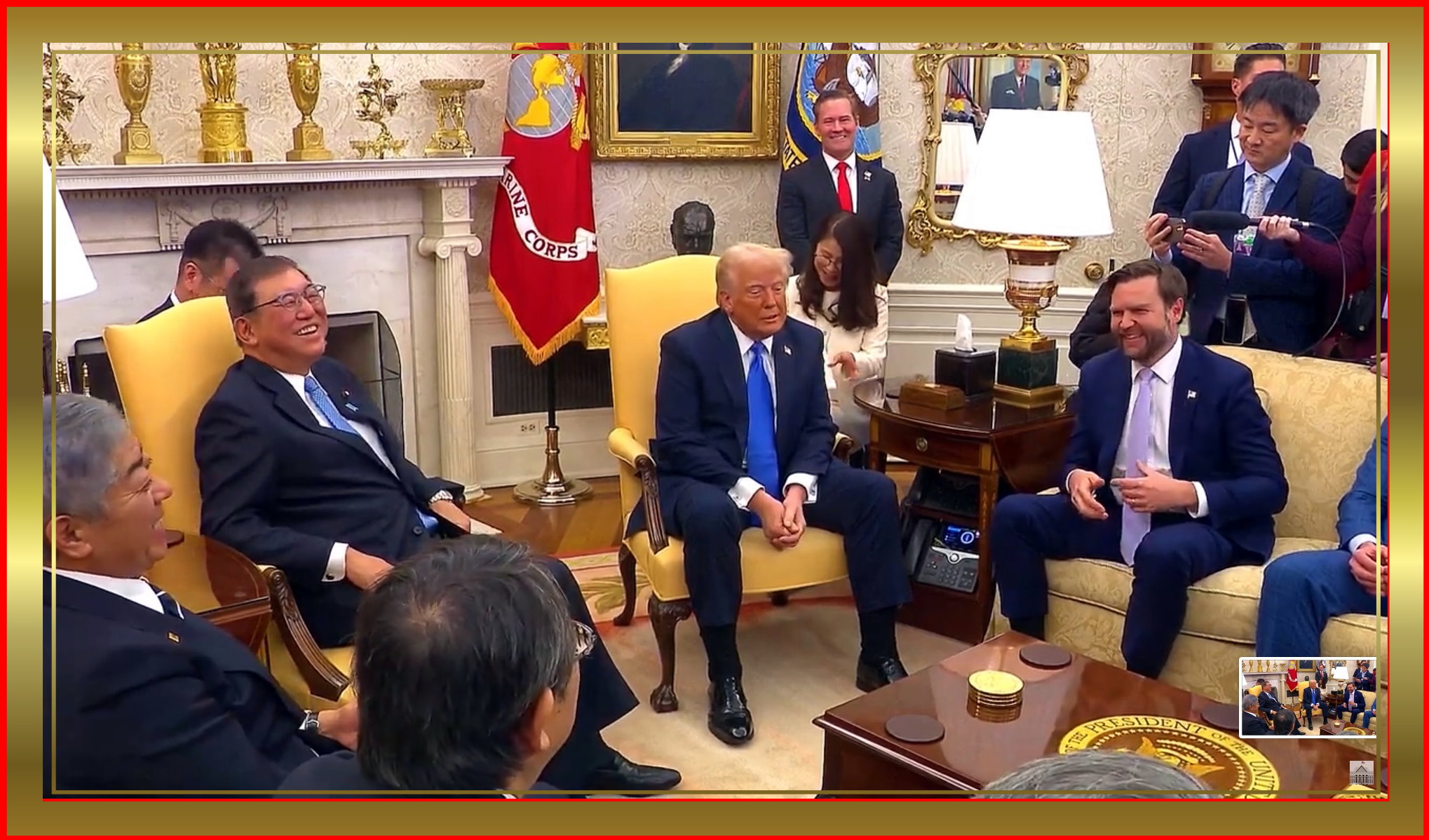
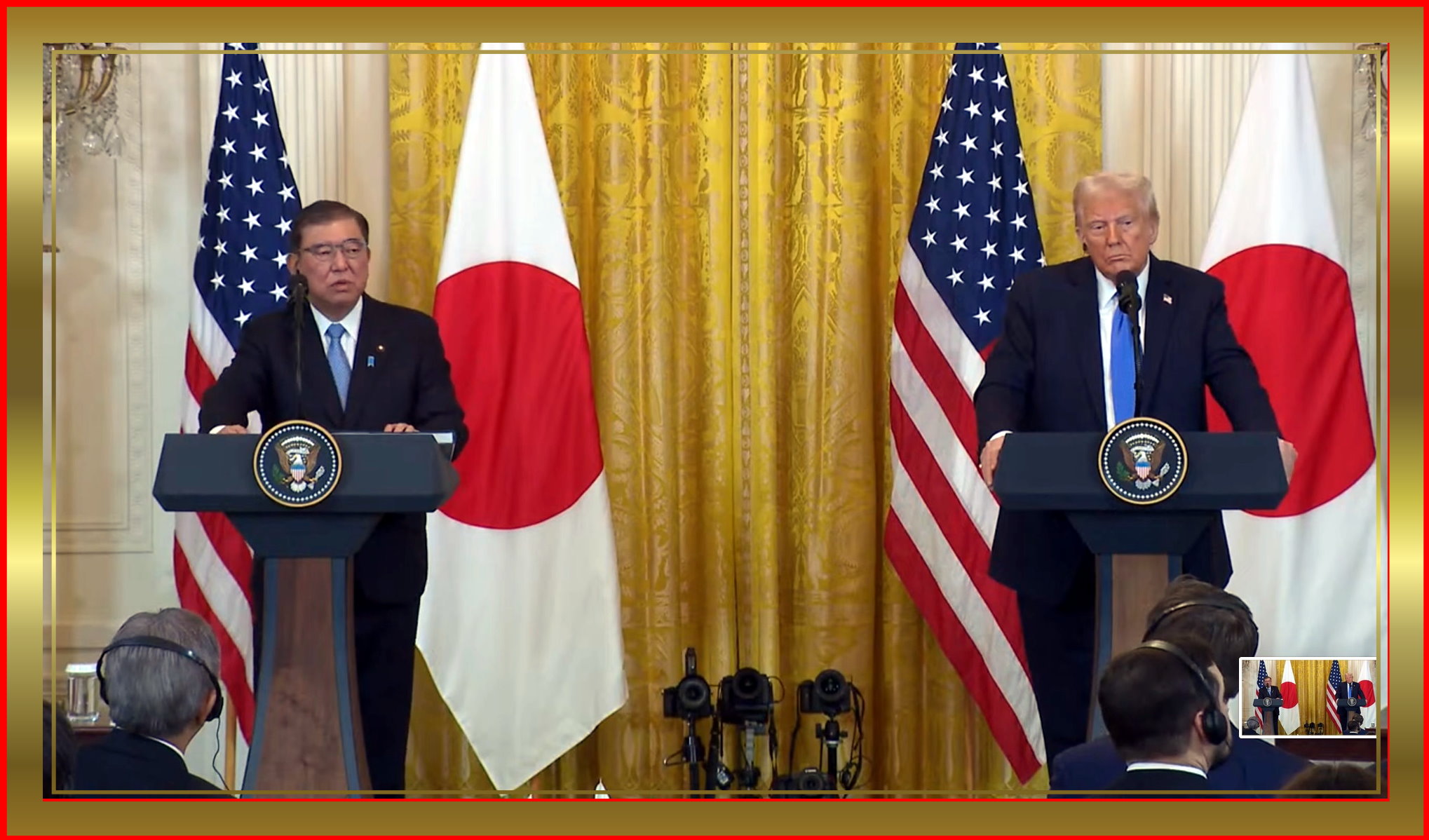
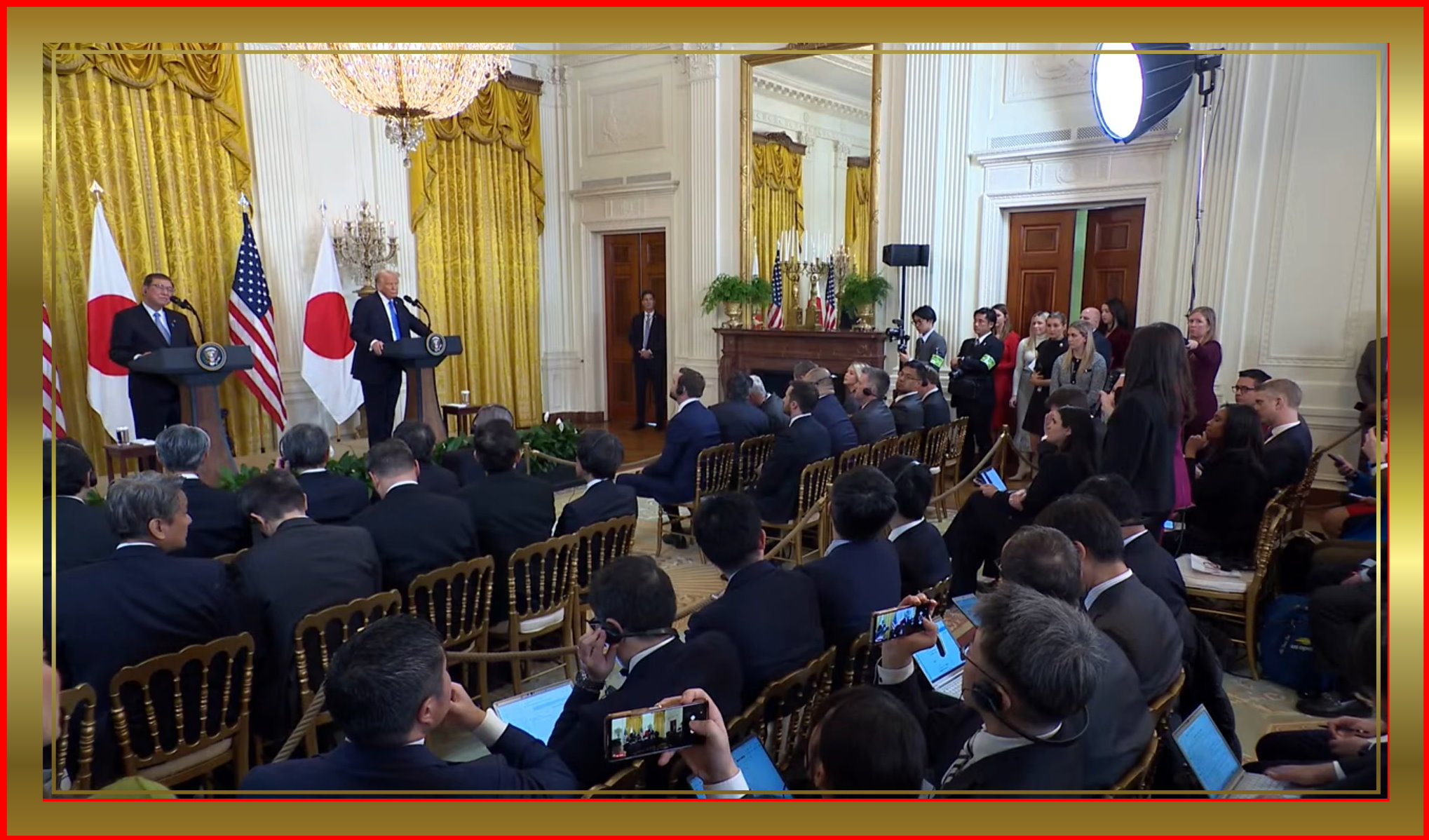
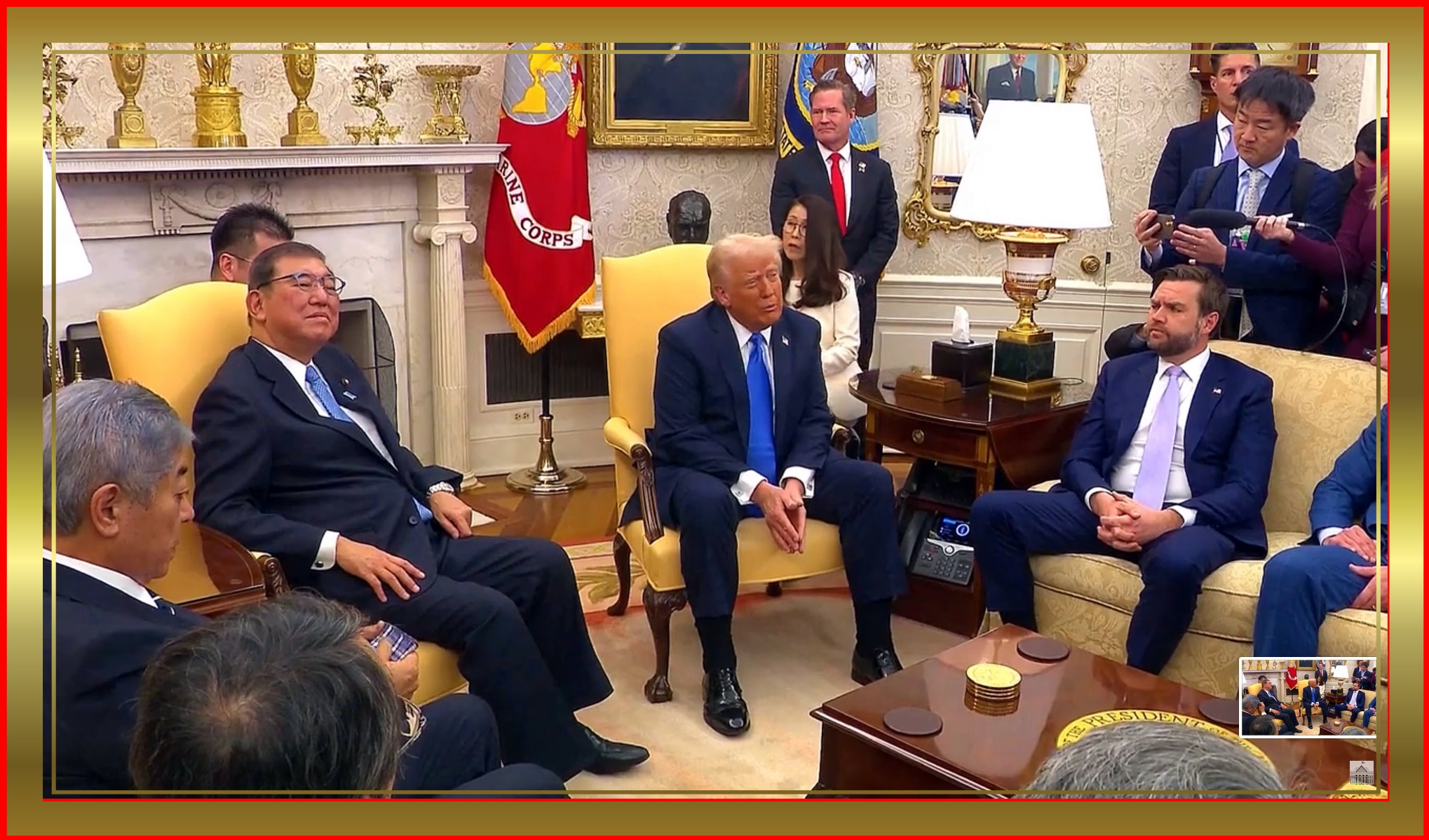
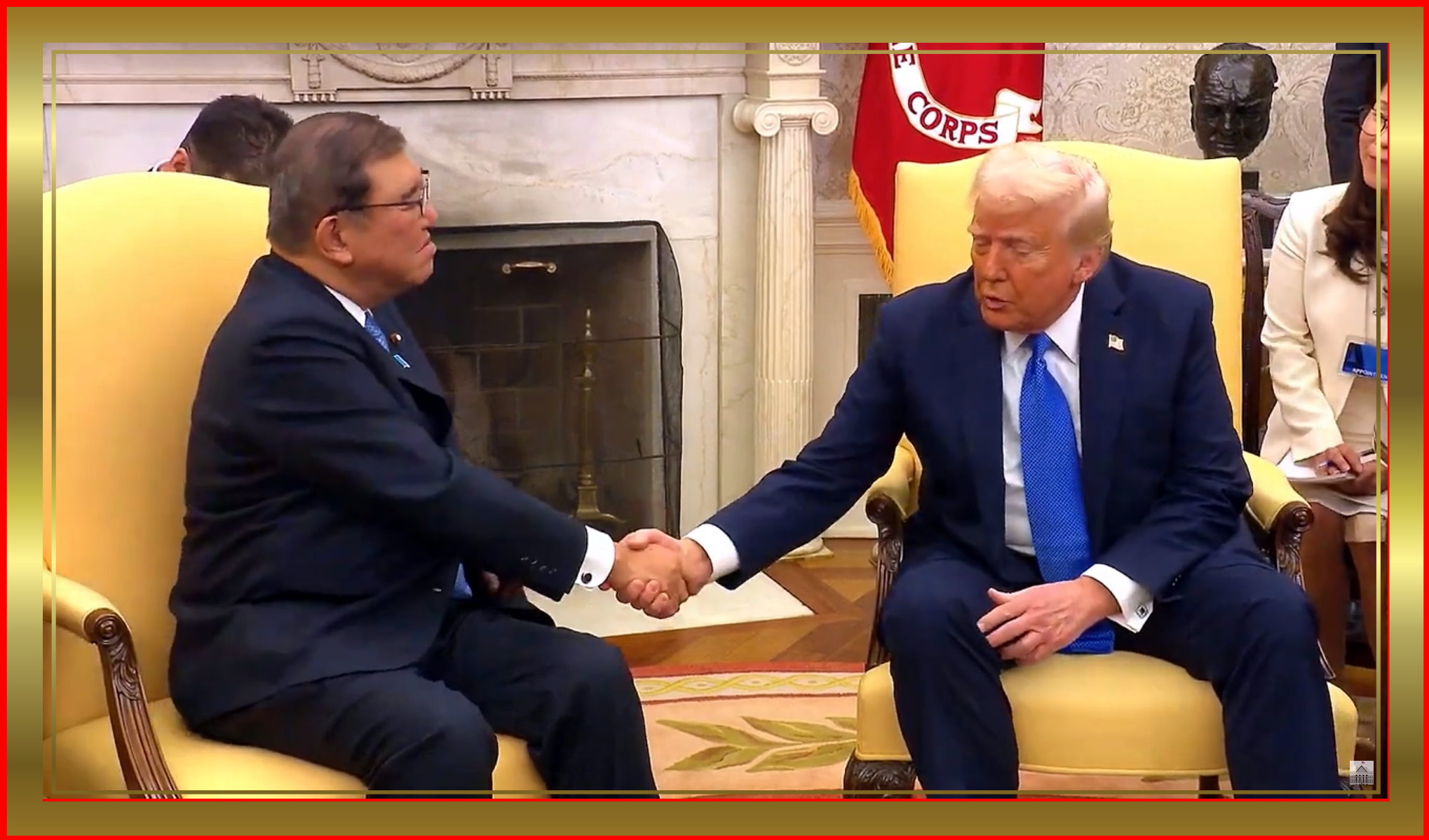
President Trump announced Tuesday that his administration had wrapped up a massive trade agreement with Japan, two weeks after threatening the US ally with 25% tariffs. On July 7, Trump told Japanese Prime Minister Ishiba Shigeru his country would pay a 25% duty on exports to the US if a deal wasn’t wrapped by Aug. 1. Japan is the fifth-largest US trading partner among individual nations, trailing Mexico, Canada, China and Germany.
A HISTORIC TRADE AND INVESTMENT AGREEMENT WITH
JAPAN: Yesterday, President Donald J. Trump announced
a landmark economic agreement with Japan—one of America’s closest
allies and most important trading partners.
This
historic deal reflects the strength of the U.S.–Japan relationship and
Japan’s recognition of the United States as the most attractive and secure
destination for strategic investment in the world.
The
agreement reaffirms the shared commitment of both nations to economic
prosperity, industrial leadership, and long-term security. It delivers a
powerful signal that the U.S.–Japan alliance is not only a cornerstone of
peace in the Indo-Pacific, but also a driver of global growth and
innovation.
With
over $550 billion in a new Japanese/USA investment vehicle and
enhanced access for American exports, this agreement marks a new chapter
in bilateral cooperation—one that will unleash the full potential of the
U.S. economy, strengthen vital supply chains, and support American
workers, communities, and businesses for decades to come.
RESTORING AMERICAN INDUSTRIAL POWER: Japan
will invest $550 billion directed by the United States to rebuild and
expand core American industries.
This
is the single largest foreign investment commitment ever
secured by any country and will generate hundreds of thousands
of U.S. jobs, expand domestic manufacturing, and secure American
prosperity for generations.
At
President Trump’s direction, these funds will be targeted toward the
revitalization of America’s strategic industrial base, including:
Energy
infrastructure and production, including LNG,
advanced fuels, and grid modernization;
Semiconductor
manufacturing and research, rebuilding U.S.
capacity from design to fabrication;
Critical
minerals mining, processing, and refining,
ensuring access to essential inputs;
Pharmaceutical
and medical production, ending U.S. dependence
on foreign-made medicines and supplies;
Commercial
and defense shipbuilding, including new yards
and modernization of existing facilities.
The
United States will retain 90% of the profits from this
investment—ensuring that American workers, taxpayers, and communities reap
the overwhelming share of the benefit.
This
capital surge, combined with the trillions already secured under
President Trump’s leadership, will be a key component of a
once-in-a-century industrial revival.
ENSURING BALANCED TRADE THROUGH A PREDICTABLE
TARIFF FRAMEWORK: As part of this agreement, imports
from Japan will be subject to a baseline 15% tariff rate.
In
addition to raising billions in revenue, this new tariff framework,
combined with expanded U.S. exports and investment-driven production, will
help narrow the trade deficit with Japan and restore greater balance to
the overall U.S. trade position.
This
approach reflects the United States’ broader effort to establish a
consistent, transparent, and enforceable trade environment—one in which
American workers and producers are no longer disadvantaged by outdated or
one-sided trade rules.
By
aligning with this framework, Japan affirms the strength and mutual
respect of the U.S.–Japan economic relationship and recognizes the
importance of durable trade grounded in fairness.
SECURING INCREASED MARKET ACCESS FOR AMERICAN
PRODUCERS: For decades, U.S. companies have faced barriers
when seeking access to Japan’s market. This agreement
delivers breakthrough openings across key sectors:
Agriculture
and Food:
Japan
will immediately increase imports of U.S. rice by 75%, with a major
expansion of import quotas;
Japan
will purchase $8 billion in U.S. goods, including corn, soybeans,
fertilizer, bioethanol, and sustainable aviation fuel.
Energy:
Major
expansion of U.S. energy exports to Japan;
The
US and Japan are exploring a new offtake agreement for Alaskan liquefied
natural gas (LNG).
Manufacturing
and Aerospace:
Japan
has committed to purchase U.S.-made commercial aircraft, including an
agreement to buy 100 Boeing aircraft;
Additional
billions of dollars annually of purchases of U.S. defense equipment,
enhancing interoperability and alliance security in the Indo-Pacific.
Automobiles
and Industrial Goods:
Longstanding
restrictions on U.S. cars and trucks will be lifted, granting U.S.
automakers access to the Japanese consumer market; U.S. Automotive
standards will be approved in Japan for the first time ever.
Broader
openings for a range of industrial and consumer goods, leveling the
playing field for American producers.
A GENERATIONAL SHIFT IN U.S.-JAPAN ECONOMIC
RELATIONS: This agreement is not merely a trade deal—it is
a strategic realignment of the U.S.-Japan economic relationship
delivering for the American people.
For
the first time, the terms of engagement place American industry,
innovation, and labor at the center.
By
securing historic investment and breaking open long-closed markets,
President Trump has once again delivered a deal that no one else
could deliver—a deal that will help to rebuild the American economy,
strengthen our industrial foundation, and safeguard our national
strength for decades to come.
President
Trump is proving that when the United States leads from strength, the
world follows—and America wins.
SECURING LONG-TERM ECONOMIC PARTNERSHIP: This
agreement reflects the strong and enduring relationship between the United
States and Japan, and it advances the mutual interests of both nations.
By
aligning on economic and national security, energy reliability, and
reciprocal trade, the agreement establishes a foundation for shared
prosperity, industrial resilience, and technological leadership.
President
Trump has once again delivered a transformative outcome for the American
people—ensuring that our workers, producers, and innovators are rewarded,
respected, and empowered in the global economy.
President Trump Announces Presidential Delegation to Osaka, Japan, to Attend the World Expo
July 9, 2025`
President Donald J. Trump today announced the designation of a Presidential Delegation to Osaka, Japan, to attend the World Expo on July 19, 2025.
The Honorable Secretary Scott Bessent of the United States Department of the Treasury will lead the delegation.
Members of the Presidential Delegation:
The Honorable George Glass, Ambassador of the United States to Japan
The Honorable Lori Chavez-DeRemer, Secretary of the United States Department of Labor
The Honorable Christopher Landau, Deputy Secretary of the United States Department of State
The Honorable William E. Grayson, Ambassador, USA Pavilion Commissioner General, Expo 2025
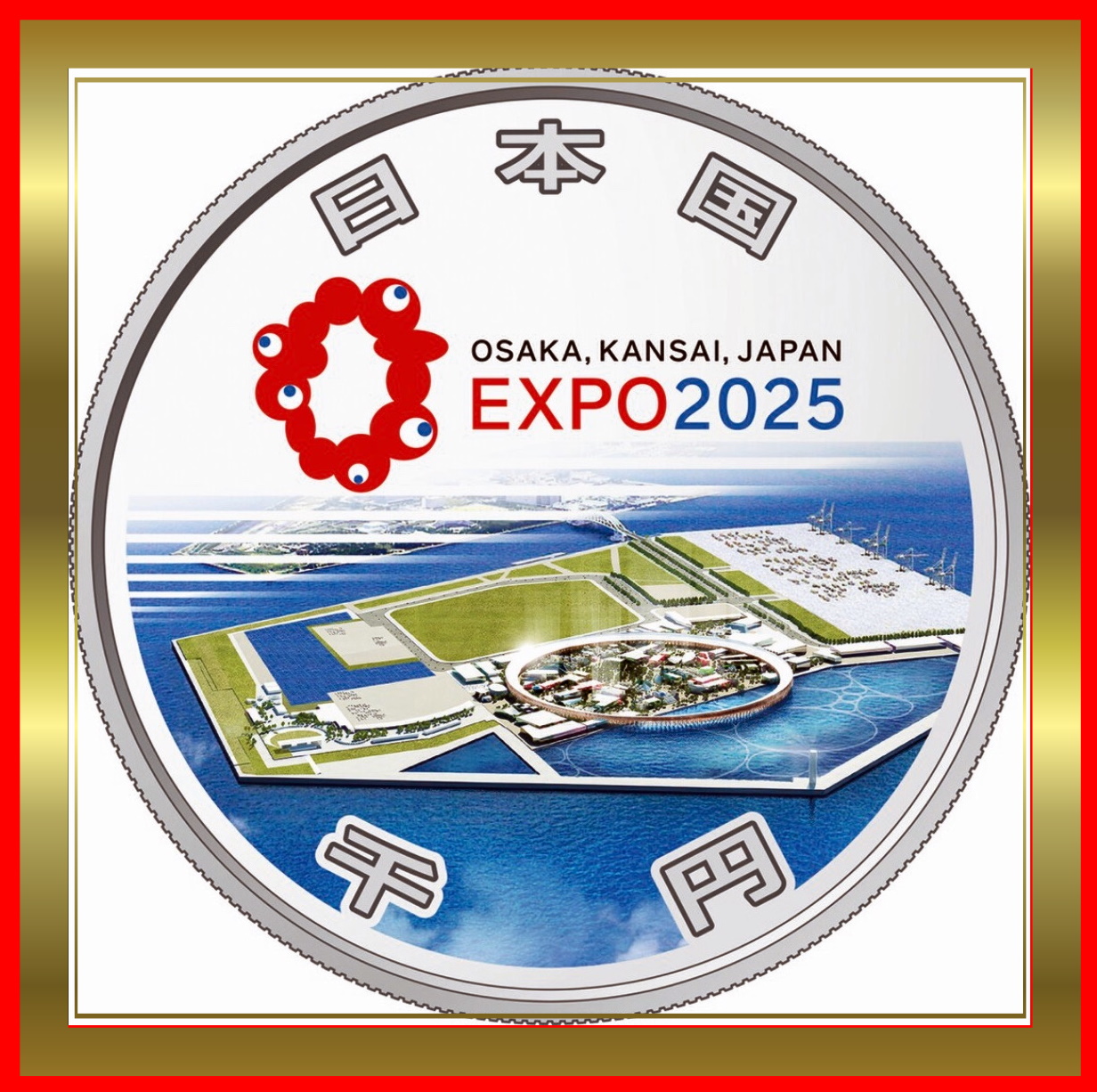
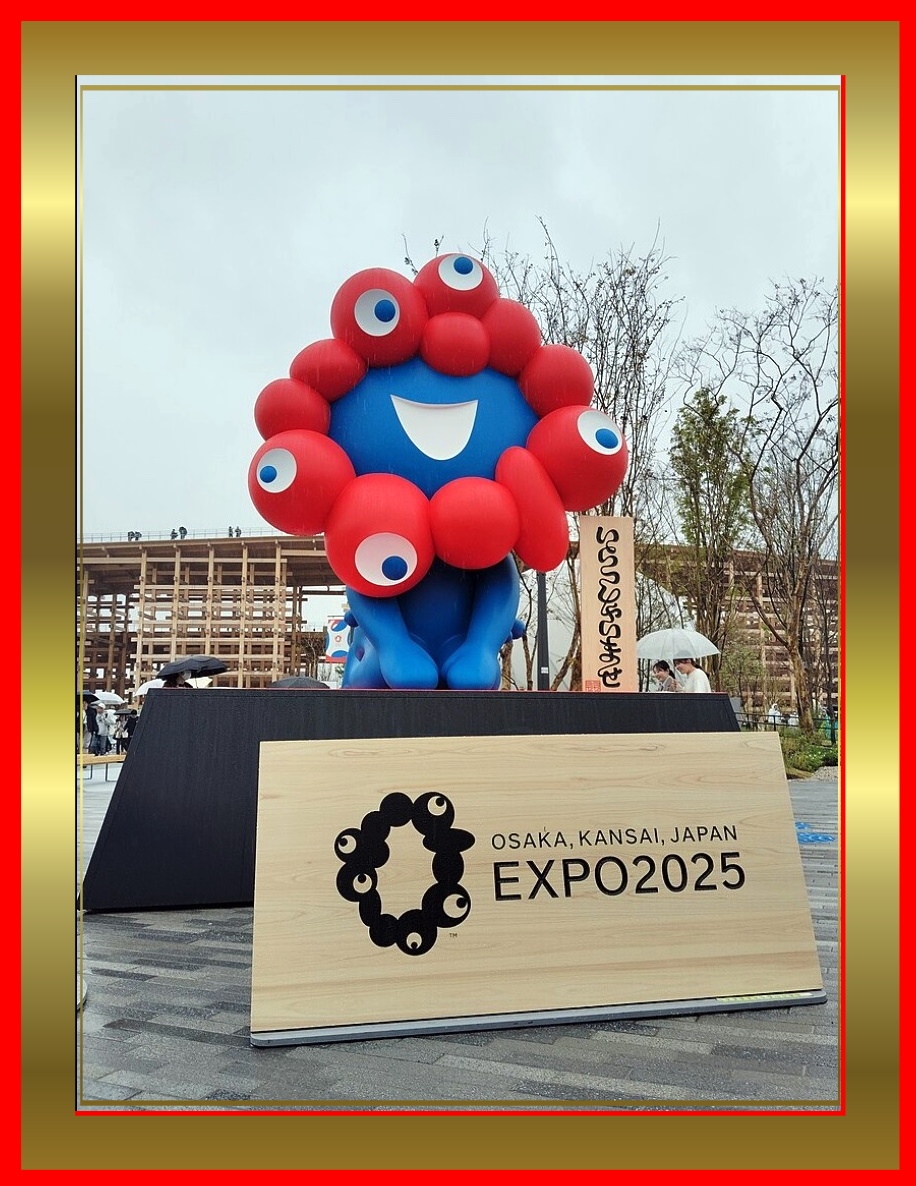
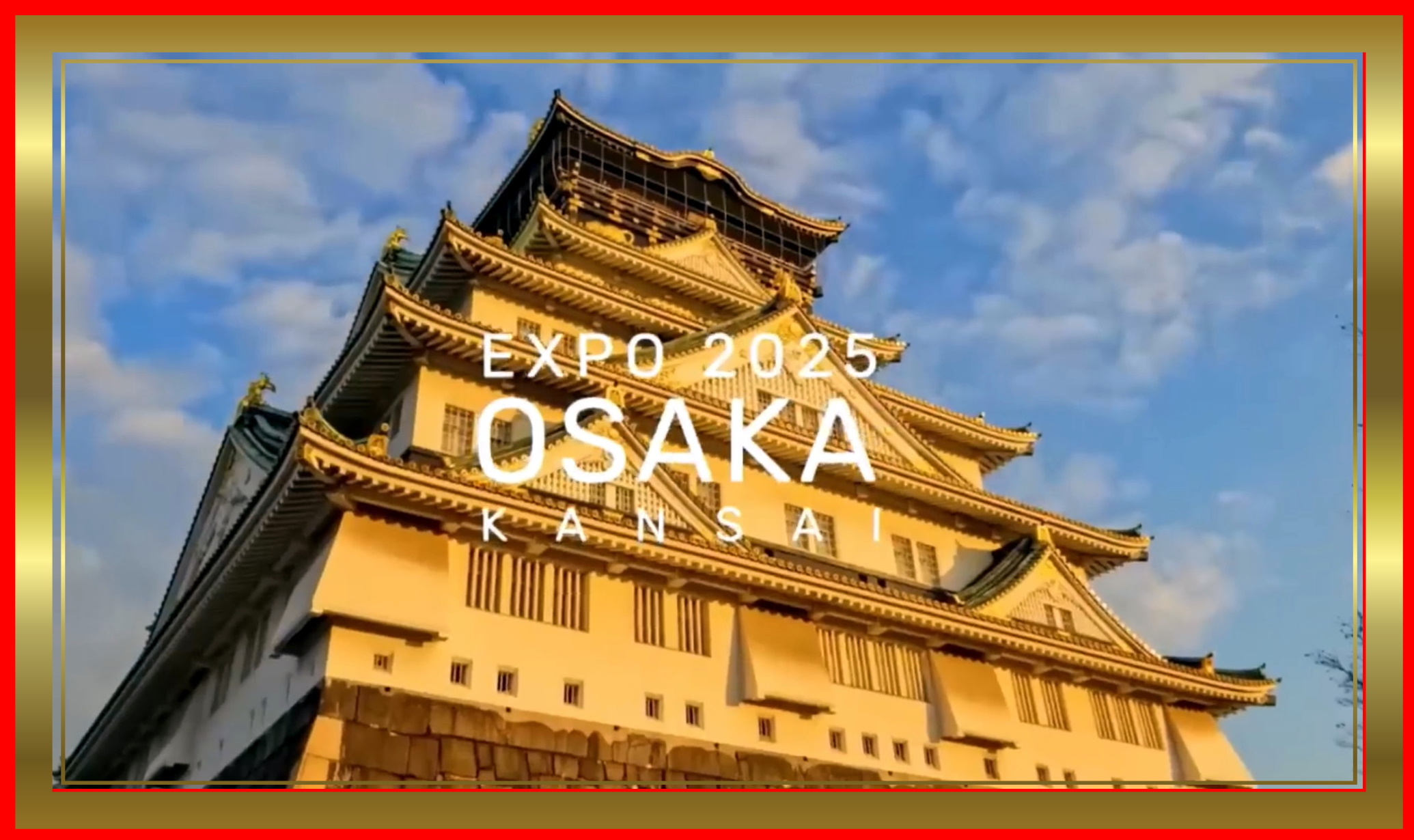
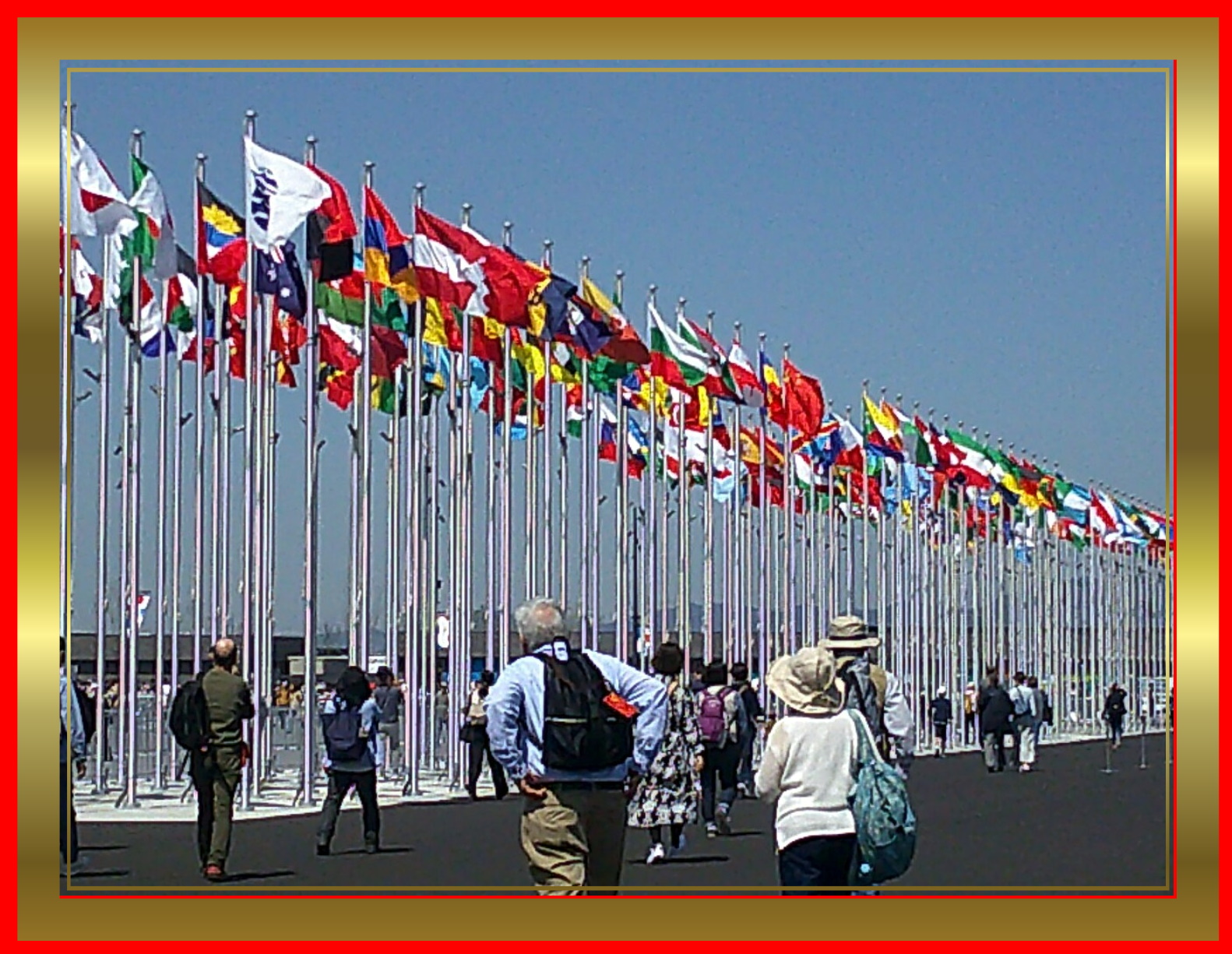
The BIGGEST event in Japan: OSAKA EXPO 2025!. Featuring the largest wooden structure in the world and exhibitions and pavilions of 160 countries and businesses. This is the largest event in Osaka of the past 50 years. Sample culture, food, history, architecture and innovation from around the world. This is a once in a lifetime opportunity so don’t miss out.
Watch to learn how to purchase tickets, what to see and do while there. We cover ticket prices and you’ll learn what ticket option is best for you. We preview seven of the most amazing country pavilions at Expo 2025.
President
Donald J. Trump and Prime Minister Ishiba Shigeru held their first official
meeting today in Washington, D.C., where they affirmed their determination to
pursue a new golden age for U.S.-Japan relations that upholds a free and open
Indo-Pacific and brings peace and prosperity to a violent and disorderly
world.
U.S.-Japan Cooperation for Peace
The two leaders expressed their shared desire for bilateral security and
defense cooperation under the U.S.-Japan Treaty of Mutual Cooperation and
Security to grow stronger than ever, and emphasized that the U.S.-Japan
Alliance remains the cornerstone of peace, security and prosperity in the
Indo-Pacific and beyond. Japan reiterated its unwavering commitment to
fundamentally reinforce its own defense capabilities, which the United States
welcomed.
The United States underscored its unwavering commitment to the defense of
Japan, using its full range of capabilities, including nuclear capabilities.
The two leaders reaffirmed that Article V of the U.S.-Japan Treaty of Mutual
Cooperation and Security applies to the Senkaku Islands, and reiterated their
strong opposition to any action that seeks to undermine Japan’s longstanding
and peaceful administration of the Senkaku Islands.
In line with the U.S.-Japan Treaty of Mutual Cooperation and Security and the
U.S.-Japan Guidelines for Defense Cooperation, Japan reaffirmed its role in
maintaining peace and security in the Indo-Pacific region by seamlessly
responding to any situation from peacetime to contingencies. This has been
further enabled by Japan’s 2015 Legislation for Peace and Security, which
enhances U.S.-Japan Alliance deterrence and response capabilities.
In order to address an increasingly severe and complex security environment,
the two leaders confirmed that they intend to further strengthen U.S.-Japan
deterrence and response capabilities by enhancing defense and security
cooperation, including by upgrading the respective command and control
frameworks of U.S. and Japanese forces, increasing bilateral presence in
Japan’s Southwest Islands, increasing readiness through more realistic training
and exercises, further enhancing U.S. extended deterrence, and promoting
defense equipment and technology cooperation, including co-production,
co-development, and co-sustainment that bolsters allied supply chains and
strengthens U.S. and Japanese defense industrial capacity, including maritime.
The United States and Japan intend to continue their strong partnership in
civil space and on aeronautics, science, and human exploration, including on
the upcoming Crew-10 mission to the International Space Station that includes
U.S. and Japanese astronauts as well as lunar surface exploration on future Artemis
missions. The United States and Japan also intend to expand bilateral security
cooperation in cyberspace by leveraging new technologies such as artificial
intelligence and secure and resilient cloud services to deepen
information-sharing. The United States welcomed Japan’s commitment, underpinned
by a favorable trend of its defense budget increase, to building capabilities
by FY 2027 to consolidate its primary responsibility for defending Japan, and,
building on this significant foundation, to fundamentally reinforcing its
defense capabilities beyond FY 2027.
In order to maintain deterrence and mitigate the impact on local communities,
the two leaders confirmed the vital importance of the steady implementation of
the realignment of U.S. forces in Japan in accordance with the Okinawa
Consolidation Plan, including the construction of the Futenma Replacement
Facility at Henoko and the return of Marine Corps Air Station (MCAS) Futenma.
The two leaders instructed their foreign and defense ministers to convene a
Security Consultative Committee (SCC: “2+2”) meeting at an early date to
implement the above-mentioned cooperation in an expeditious manner.
U.S.-Japan Cooperation for Growth and Prosperity
The two leaders affirmed that bilateral economic cooperation, including on
economic security, forms an indispensable part of Alliance cooperation. As
close economic partners, the United States and Japan provide the largest amount
of foreign direct investment and create high quality jobs in each other’s countries.
Industries of both countries continue to play a vital role for each other’s
supply chains.
To chart an unwavering course for strengthening economic ties and elevating the
economic partnership to the next level, the two leaders will seek to: promote
business opportunities and significantly increase bilateral investment and
employment; strengthen their industrial bases and collaborate to lead the world
in developing critical technologies such as AI, quantum computing, and
leading-edge semiconductors; enhance efforts to counter and build resilience
against economic coercion; and jointly promote growth in the Indo-Pacific
region underpinned by a free and fair economic order. They also resolved to
continue discussions on aligning policies to further promote and protect
critical and sensitive technologies, including through export controls, and to
enhance supply chain resilience. With a shared commitment to the integrity of
travel systems that underpin economic prosperity, they intend to strengthen efforts
to vet travelers and routinely and securely share information to combat
technology theft, travel by criminals, and illegal immigration.
The two leaders announced their intention to strengthen energy security by
unleashing the United States’ affordable and reliable energy and natural
resources, and by increasing exports of U.S. liquefied natural gas to Japan in
a mutually beneficial manner. They also welcomed efforts to diversify critical
minerals supply chains and to collaborate on developing and deploying
cutting-edge small modular reactor and other advanced nuclear reactor
technology.
The two leaders instructed their relevant ministers in charge to strengthen
U.S.-Japan economic cooperation to achieve these shared goals.
U.S.-Japan Coordination in the Indo-Pacific
The two leaders shared views on the severe and complex security environment and
expressed their determination to continuously cooperate to realize a free and
open Indo-Pacific. As part of such cooperation, the two leaders intend to
advance multilayered and aligned cooperation among like-minded countries,
including Japan-Australia-India-U.S. (Quad), Japan-U.S.-Republic of Korea
(ROK), Japan-U.S.-Australia, and Japan-U.S.-Philippines. Through these
relationships, the United States, Japan, and like-minded partners can deliver
high quality infrastructure investments in the region, including the deployment
of Open Radio Access Networks in third countries.
The two leaders reiterated their strong opposition to any attempts by the
People’s Republic of China (PRC) to change the status quo by force or coercion
in the East China Sea. The two leaders reaffirmed their strong opposition to
the PRC’s unlawful maritime claims, militarization of reclaimed features, and
threatening and provocative activities in the South China Sea.
The two leaders emphasized the importance of maintaining peace and stability
across the Taiwan Strait as an indispensable element of security and prosperity
for the international community. They encouraged the peaceful resolution of
cross-Strait issues, and opposed any attempts to unilaterally change the status
quo by force or coercion. The two leaders also expressed support for Taiwan’s
meaningful participation in international organizations.
The two leaders expressed their serious concerns over and the need to
address the Democratic People’s Republic of Korea’s (DPRK’s) nuclear and
missile programs and reaffirmed their resolute commitment to the complete
denuclearization of the DPRK. Both countries underscored the need to deter and
counter the DPRK’s malicious cyber activities and the DPRK’s increasing
military cooperation with Russia. In addition, both countries affirmed the
importance of the Japan-U.S.-ROK trilateral partnership in responding to the
DPRK and upholding regional peace and prosperity. Japan reiterated its
determination to achieve an immediate resolution of the abductions issue, which
the United States supported.
Invitation to Visit Japan
President Trump accepted an invitation from Prime Minister Ishiba for an
official visit to Japan in the near future.
White House, Youtube, FOX NEWS, ABC NEWS, MBC, DW, YAHOO, CNN18, New York Post, White House.
February 7th,, Rev. February 11th, 2025 , Rev. July 18th, 2025, July 23rd, Rev. July 24th, 2025
Catch4all.com
is proud to provide positive websites for the communities and for
the positive viewers from all over the world.....