|

Fact Sheet: President Donald J. Trump
Strengthens U.S.-Japan Alliance for the
Benefit of All Americans
The White House | March 19, 2026
DELIVERING FOR AMERICAN WORKERS: Today,
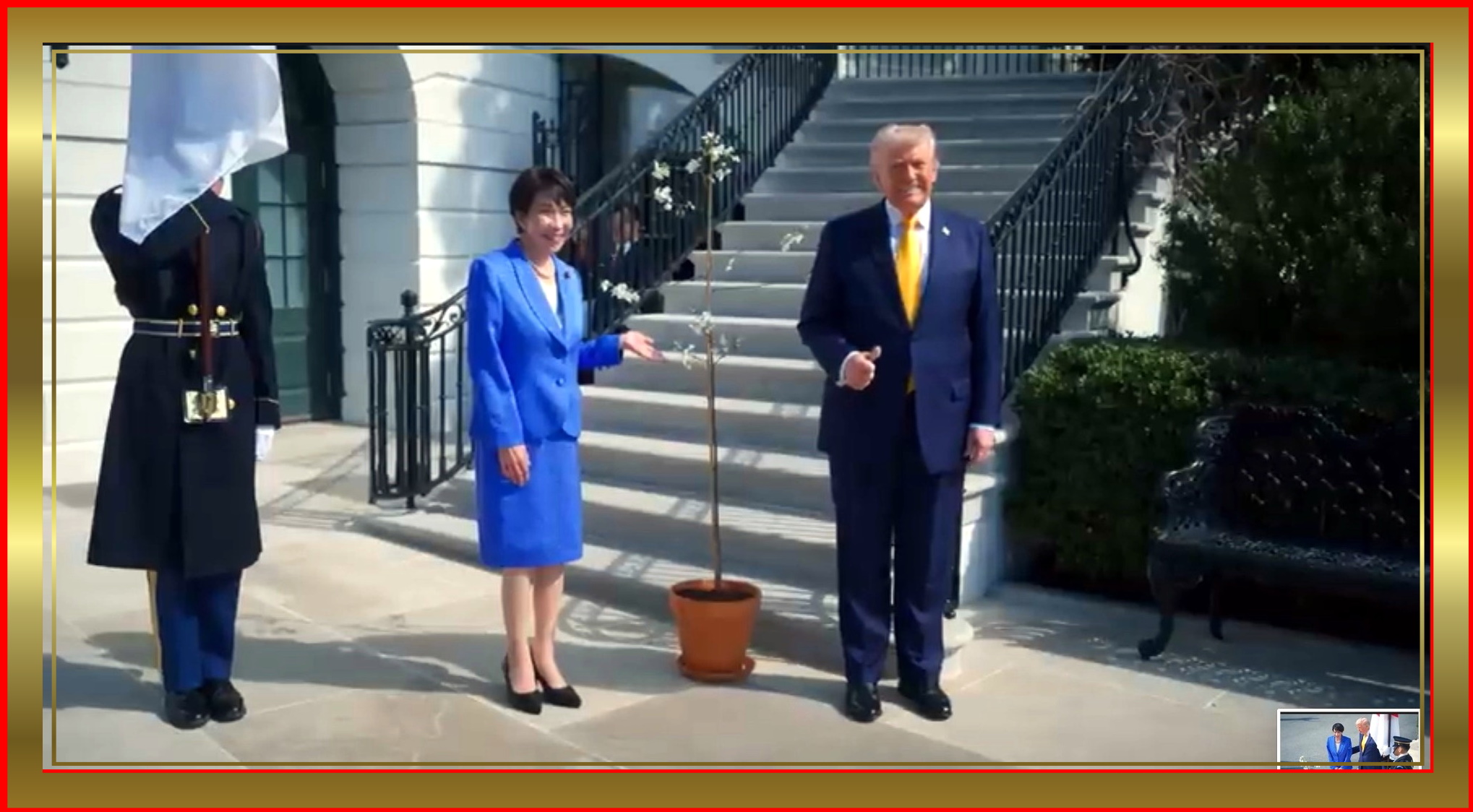
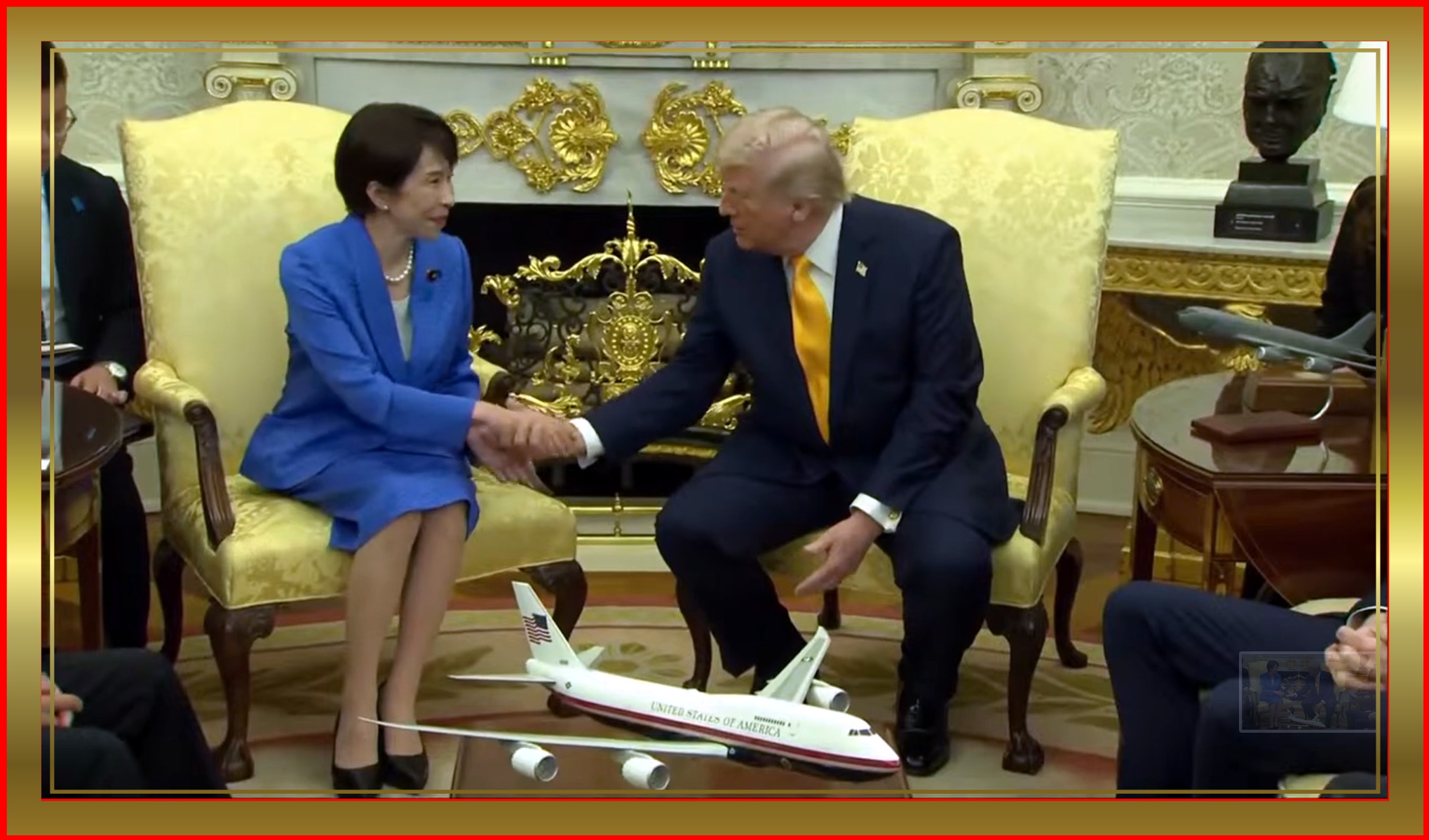
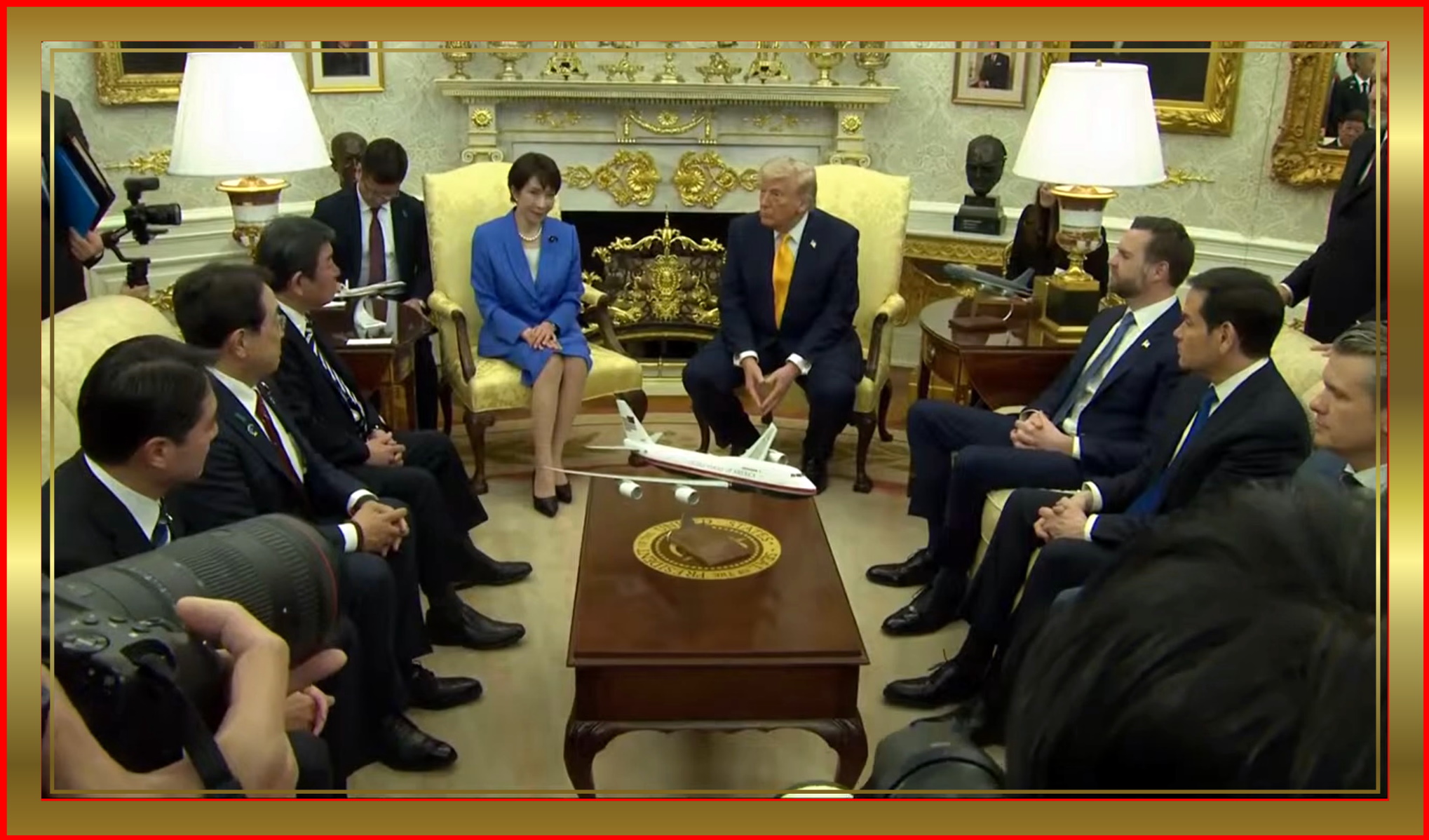
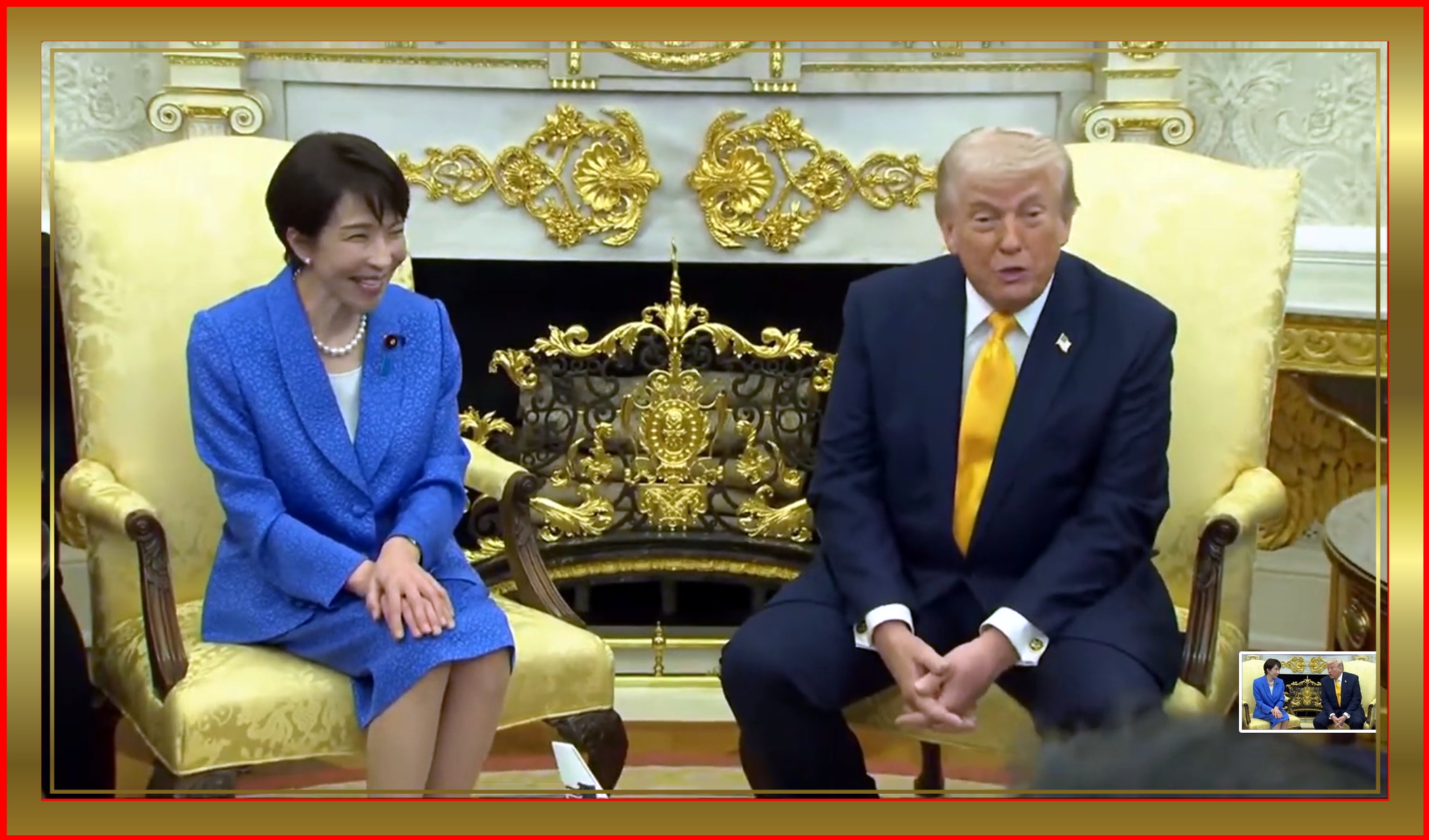
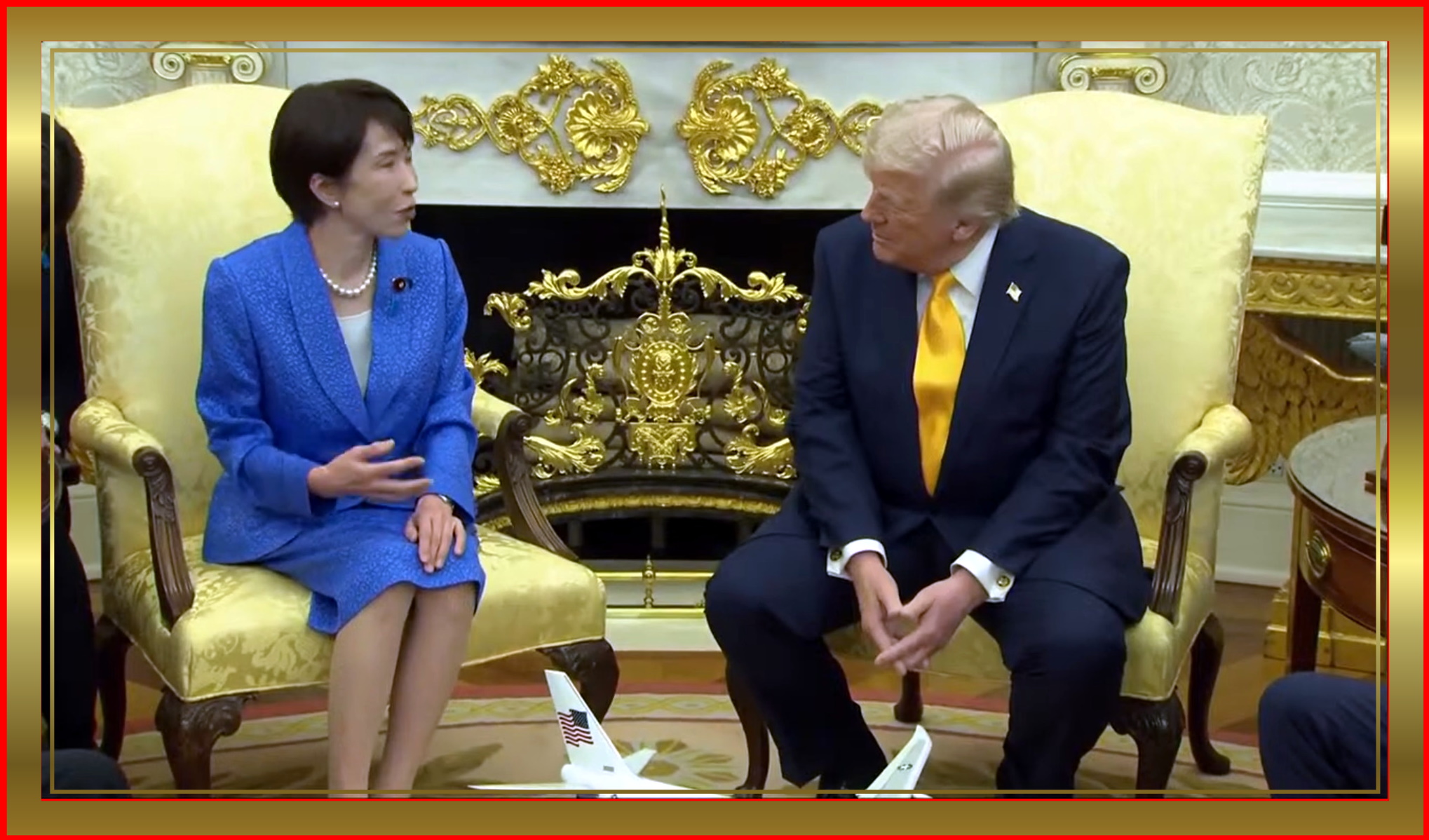
President Donald J. Trump and Prime Minister Sanae Takaichi met at the White
House and announced new initiatives to strengthen the U.S.-Japan Alliance,
enhance economic security, and bolster deterrence to advance a free and open
Indo-Pacific.
- The
President championed American farmers, ranchers, and producers by
improving and accelerating market access for U.S. agricultural exports to
Japan.
- In
addition to the first
tranche of three major Japanese investments
under the 2025
U.S.-Japan Strategic Trade and Investment Agreement announced
in February 2026, and worth $36 billion, the United States welcomes a
second tranche of Japanese investments, including up to $40 billion from
GE Vernova Hitachi in Tennessee and Alabama to build small modular reactor
power plants and up to $33 billion in natural gas generation facilities in
Pennsylvania and Texas.
- The
United States and Japan will continue to cooperate on matters related to
investment security, and Japan plans to strengthen its mechanism for
reviewing inbound investment based on national security risks.
- The
President welcomed Japan’s support of U.S. reindustrialization. The United
States will prioritize visa processing for temporary business travelers,
particularly those who make significant investments, train American
workers, or transfer critical skills, techniques, or know-how.
- Per
a new Memorandum of Cooperation, the two countries are promoting the use,
conservation, and management of National Parks.
STRENGTHENING SUPPLY CHAIN RESILIENCE AND
ENERGY SECURITY: The two leaders discussed the ongoing
threat posed by economic and geopolitical competitors restricting strategic
supply chains, such as critical minerals, and reaffirmed near-term initiatives
to expand trusted supply chains for key infrastructure and industries.
- The
President and Prime Minister welcomed the outcomes of the Indo-Pacific
Energy Security Ministerial and Business Forum, which brought together 17
Indo-Pacific Ministers and hundreds of business leaders to highlight over
$50 billion of projects and investments in the United States and the
region.
- Under
a new Memorandum of Cooperation, the two nations will accelerate joint
research and development and industry cooperation on commercially-viable
development of deep-sea critical minerals resources, including rare-earth
muds near Japan’s Minamitorishima Island that could meet centuries’ worth
of industrial demand.
- The
United States and Japan reached a Critical Minerals Action Plan to
increase the production and diversity of critical minerals, developing a
plurilateral trade initiative supported by price floors or other measures.
ADVANCING THE SCIENCE, TECHNOLOGY, AND SPACE
PARTNERSHIP: The United States and Japan will continue to
achieve excellence through joint projects and new initiatives.
- The
U.S. Department of Energy and Japan’s Ministry of Education, Culture,
Sports, Science and Technology signed a Statement of Intent to drive
cooperation on AI-enabled scientific discovery and innovation,
high-performance computing, and quantum technologies.
- Under
a new Memorandum of Understanding, the U.S. Argonne National Laboratory,
Japan’s RIKEN and Fujitsu, and NVIDIA will leverage public research
institutions and private sector partners to accelerate computing
architectures and solutions.
- Astronauts
will return to the Moon through NASA’s Artemis program with Japan’s crewed
pressurized lunar rover. The two countries will expand cooperation
in low-Earth orbit and the NASA-led Moon base, and will launch the Nancy
Grace Roman Space Telescope and Martian Moons eXploration (MMX) later this
year.
- The
two countries are cooperating in biotech and pharmaceutical supply chain
resilience under the October 2025 Technology Prosperity Deal.
- In
2025, the two nations shared multiple epidemic intelligence reports and
identified 19 public health events, leading to earlier detection and rapid
response.
STRENGTHENING DETERRENCE AND DEFENSE
COOPERATION: The United States welcomed Japan’s commitment
to rapidly strengthen its own defense capabilities, increase its defense
budget, and continue partnering with U.S. forces in Japan and the region.
- The
United States and Japan affirmed their commitment to deploying advanced
capabilities in Japan to enable a strong denial defense posture.
This year, the two sides will maintain close coordination, building on the
successful 2025 deployment of the U.S. Typhon missile system to mainland
Japan.
- Following
the bilateral feasibility study for AIM-120 Advanced Medium-Range
Air-to-Air Missile (AMRAAM) co-production, the two countries will scope
Japan’s future role in increased AMRAAM production capacity.
- In
support of missile defense cooperation, the two sides will rapidly
increase by fourfold the production of Standard Missile 3 Block IIA
missiles in Japan.
- The
United States welcomed Japan’s commitment to develop a secure and
sovereign cloud platform for government data to enhance bilateral
information sharing, planning, and coordination.
ENHANCING REGIONAL SECURITY: The
two leaders advanced national security interests to safeguard the lives and
property of the American and Japanese people.
- The
two leaders committed to peace and stability across the Taiwan Strait as
an indispensable element of regional security and global prosperity,
supported the peaceful resolution of cross-Strait issues through dialogue,
and opposed any attempts to unilaterally change the status quo, including
by force or coercion.
- The
United States and Japan reaffirmed their commitment to the complete
denuclearization of North Korea and to enhance the Japan-U.S.-ROK
partnership. The United States supports Japan’s determination to
achieve an immediate resolution of the abductee issue.
- The
two sides will coordinate in third countries to address challenges posed
by strategic competitors and rogue states.
|


)
)
)
)
)
)
)
)
)
)
)
)
)
)
)
)
)
)
)
)
)
)
)
)
)
)
)
)
)
)
)
)
)
)
)
)
)
)
)
)
)
)
)
)
)
)
)
)
)
)
)
)
)
)
)
)
)
)
)
)
)
)
)
)
)
)
)
)
)
)
)
)
)
)
)
)
)
)
)
)
)
)
)
)
)
)
)
)
)
)
)
)
)
)
)
)
)
)
)
)
)
)
)
)
)