Today, the Trump Administration unleashed Operation
Economic Outcast, an unprecedented campaign to sever every
remaining economic lifeline sustaining the Islamic Republic of Iran. After
President Trump and the overwhelming might of the U.S. military dismantled
Iran’s military capabilities and crippled its nuclear program, America is
entering the endgame with the single greatest financial offensive ever mounted
against an adversary.
Secretary of the Treasury Scott Bessent
announced the operation:
“Today,
at President Trump’s direction, the United States Treasury has begun
Operation Economic Outcast — an unprecedented campaign against the Islamic
Republic of Iran and its enablers… We are launching an economic onslaught
against Iran’s financial connections around the globe. Our objective is to
sever every economic lifeline that sustains this tyrannical regime until
Tehran stands alone.” (Watch)
“President
Trump has taken action that his predecessors have long deferred. Under his
leadership, America is no longer managing the Iranian threat — we are
ending it.” (Watch)
“Iran
now faces a very clear choice, with only two paths before them: complete
global isolation and a subsistence economy or a path back to normalcy with
an opportunity to rejoin the global economy. Today, we are launching
Operation Economic Outcast to foreclose every other option available to
the Iranian regime.” (Watch)
“Beginning
today, the actions of Treasury and other agencies will tighten the noose
and block every potential source of revenue that funds the IRGC and the
evil Iranian regime. We are enforcing a ‘zero-leakage approach’; there
will be no minimal breathing space for the regime to rebuild its capacity
to inflict terror against America and the world.” (Watch)
“The
final refuge of this regime is the mistaken conclusion of nations that
still finance the Iranian threat in the hopes of evading it. It is no
longer acceptable to operate in the gray spaces of this conflict.” (Watch)
“The
new sectoral sanctions determinations issued today target five of Iran’s
most vital lifelines that it exploits in other countries: digital assets,
technology, gold, aviation, and shipping. These measures broaden secondary
sanctions risk for anyone foolish enough to continue conducting business
with this regime.” (Watch)
“Let
there be no ambiguity as to the position of the United States: an economic
engagement of any kind with this murderous regime will expose those
responsible to the full reach of American power.” (Watch)
“Any
entity that facilitates money laundering on behalf of Iran will be removed
from the U.S. Dollar system. The clock just started ticking.” (Watch)
“Nations
that facilitate any interactions with the regime should quickly heed our
message. Those who stand with the United States will reap the rewards of
our partnership; those who tether themselves to the Iranian regime should
expect to share in the isolation of a withering regime.” (Watch)
In a forceful Financial
Times op-ed, Secretary Bessent
made the strategic intent unmistakable:
“President Donald Trump and the overwhelming
might of our military have significantly dismantled Iran’s military
capabilities and weakened its nuclear programme. Now we are entering the
endgame. At dawn begins an economic D-Day — the single greatest financial
offensive ever marshalled against an adversary… The world should understand
that our objective is to sever every economic lifeline that sustains the tyrannical
regime until Tehran stands alone.”
For decades, President Trump has been clear: the
Islamic Republic of Iran — the world’s largest state sponsor of terrorism
for nearly
half a century— can never be allowed to obtain a
nuclear weapon. Operation Economic Outcast delivers on that promise,
cutting off the regime’s last remaining means to threaten the United States and
ensuring Tehran stands alone, bankrupt, and broken.
WASHINGTON—Today, at President
Trump’s direction, the U.S. Department of the Treasury
has begun Operation Economic Outcast: an unprecedented,
whole-of-government, economic campaign against the Islamic Republic of Iran
and its enablers.
“In the Second World War,
D-Day marked the historic beginning of a
campaign with our allies to target and drive
the enemy from its positions,
including those in third countries. Today, in
that same spirit, we
are launching an economic onslaught against Iran’s
financial connections around the
globe. Our objective is to sever every
economic lifeline that sustains this tyrannical regime until
Tehran stands alone,” said Secretary of the Treasury Scott Bessent. “President
Trump has taken action that his predecessors have long deferred. Under his
leadership, America is no longer managing the Iranian threat. We are ending
it. Those who stand with the United States will reap the rewards of
our partnership. Those who tether themselves to Tehran should expect
to share in the isolation of a withering regime.”
Operation Economic Outcast will sever the economic
lifelines that sustain the Iranian regime and the Islamic Revolutionary Guard
Corps (IRGC). These actions today mark the beginning of a sustained and
systematic campaign to close every financial resource that supports the leading
state sponsor of terror.
Treasury has mapped the networks, facilitators, and
financial channels that Iran uses to smuggle oil, evade sanctions, and fund
terror. Working with our partners across the U.S. government, Treasury will be
uncompromising in targeting any source of the regime’s illicit revenue.
The Iranian regime faces a clear choice: severe global
isolation or a path to reintegration with the global economy.
U.S. Government Presses Countries for Immediate
Action, Expands Secondary Sanctions Risk for Iran-Related Activity
Teams from the Departments of Treasury, State, and War are
engaging counterparts around the world to make clear that the United States
expects immediate action. Every country will be given a defined timeline to
shut down the Iran-related activity we have identified. If they fail to act,
Treasury will act.
Any entity that facilitates money laundering or sanctions
evasion on behalf of Iran risks being cut off from the U.S. financial system.
Today’s announcement also expands secondary sanctions exposure for those who
continue doing business with the Iranian regime and will accelerate the pace of
U.S. enforcement.
Today’s actions are as follows:
Treasury
is expanding the categories of Iran-related conduct that may be subject to
secondary sanctions in the future, making it easier to take action against
those facilitating the regime. Treasury has issued
determinations against five critical sectors––digital assets,
technology, gold, aviation, and shipping––that the Iranian regime uses to
try to prop up its failing economy.
The
Office of Foreign Assets Control (OFAC) sanctioned nearly 60 entities,
individuals, and vessels in multiple jurisdictions that enable the Iranian
regime’s recklessness, including illicit nuclear and missile technology
procurement, cyber operations, and oil-revenue generation networks.
OFAC suspended
several general licenses that previously authorized certain
remittance payments to Iran and Iranian access to the U.S. cultural and
academic system.
OFAC issued
additional guidance on the sanctions risks of bowing to Iranian
demands related to shipping in the Strait of Hormuz.
OFAC SIGNIFICANTLY EXPANDING SANCTIONS RISK TO
KEY SECTORS
Treasury is significantly expanding sanctions risk for
those who continue to choose to do business with Iran. It is well
documented that the Iranian regime has increasingly leveraged a variety of
means to sustain itself and continue its campaign of destabilization and
terrorism in the region and around the world. This includes the regime’s
attempts to exploit digital assets,
acquire critical technology, and
obfuscate its shipping trade,
leveraging third-country jurisdictions as critical enablers in these
schemes. This is unacceptable.
Today, OFAC is issuing an
unprecedented five sectoral sanctions determinations pursuant to
Executive Order (E.O.) 13902, which targets certain sectors of the Iranian
economy, further strengthening and significantly expanding Treasury’s ability
to impose sanctions on any foreign person operating in or providing services in
support of these sectors.
With today’s action, OFAC can now sanction any person,
regardless of where they are located, that operates in the following sectors of
the Iranian economy:
Digital
Assets: The Iranian regime increasingly
turns to cryptocurrency as a tool of choice for sanctions evasion,
supporting transactions linked to the Islamic Revolutionary Guard Corps
(IRGC) and Iranian regime insiders.
Technology:
Iran is also attempting to access advanced technologies and
integrate these technologies into its domestically manufactured weapons
programs.
Gold:
As Iran’s formal financial sector collapses, the regime is increasingly
attempting to stabilize the rial with gold to hedge against rampant
inflation.
Aviation:
Iran continues to use its supposed “commercial” airlines, many of
which are controlled by the regime and the IRGC, to ferry fighters, ship
weapons and sensitive technologies, and move gold and hard cash to its
proxies.
Shipping:
Iran’s national shipping line regularly transports sensitive weapons
components and missile precursors, while Iran’s national tanker service
illicitly ships oil for the regime and its military services.
These determinations build on similar determinations
targeting Iran’s financial and petroleum and petrochemical sectors, critical
components of Iran’s economy which have seen significant declines in revenue
and are rife with corruption and mismanagement.
OFAC Targets Nearly 60 Iran-Linked Entities,
Individuals, and Vessels Across Nuclear, Missile, Cyber, and Oil Networks
Today’s designations also intensify pressure on the
networks that sustain the regime’s malign activities and fund its attacks
across the region. OFAC is taking these actions pursuant to the following
authorities: E.O. 13382, which targets proliferators of weapons of mass
destruction (WMD) and their means of delivery; E.O. 13694, as amended by E.O.
13757 and as further amended by E.O. 14144 and 14306 (“E.O. 13694, as further
amended”), which targets malicious cyber-enabled activities; E.O. 13902; and
E.O. 13224, as amended, a counterterrorism authority. The U.S.
Department of State designated Iran’s Ministry of Defense and Armed Forces
Logistics (MODAFL) pursuant to E.O. 13382 in October 2007 in connection with
Iran’s ballistic missile program.
Today’s actions target:
A
procurement scheme supporting MODAFL subordinates’ procurement of
proliferation-sensitive technology and equipment for ballistic missile
development and nuclear research;
A
malicious cyber group directed by Iran’s Ministry of Intelligence and
Security (MOIS) that is responsible for extensive compromises of U.S.
critical infrastructure and financially motivated cyber theft; and
A
network of brokers, companies, and shadow fleet vessels operating across
the United Arab Emirates (UAE), Hong Kong, China, Singapore, Switzerland,
Europe, and other regions to transport Iranian oil and channel revenue to
the Islamic Revolutionary Guard Corps-Qods Force (IRGC-QF) and other
regime elements.
Treasury is also designating several international
companies that operate within Iran’s petroleum sector and enable the deceptive
movement and sale of Iranian crude and petroleum products.
This MOIS action was taken in close coordination with the
Federal Bureau of Investigation (FBI), which on August
18, 2026 announced the unsealing of a superseding indictment charging
17 Iranian cyber actors, four of whom are being designated today. The
MOIS is designated pursuant to multiple authorities––including E.O. 13694, as
further amended, E.O. 13224, and E.O. 13553––for cyber activity that threatens
the national security of the United States; support to multiple terrorist
groups; and for being responsible for, or complicit in, the commission of
serious human rights abuses against the Iranian people. On September 18, 2023,
OFAC designated the MOIS pursuant to E.O. 14078 for its involvement in the
wrongful detention of U.S. citizens, including the abduction, detention, and
probable murder of former FBI Special Agent Robert A. “Bob” Levinson, with the
authorization of senior Iranian government officials.
Furthermore, the U.S. Department of State’s Rewards for
Justice program is offering a reward of
up to $10 million for information on any person who, while acting at the
direction or under the control of a foreign government, engages in certain
malicious cyber activities against U.S. critical infrastructure in violation of
the Computer Fraud and Abuse Act. The public is encouraged to report
malicious cyber and other illegal online activity to the FBI’s Internet Crime
Complaint Center (IC3).
Concurrently, the Department of State is designating seven
members of Iran’s defense leadership and two Iranian entities involved in
enabling Iranian military strikes against U.S. forces and partners across the
region. The Department of State’s action also targeted actors involved in
the trade of Iranian oil, petroleum products, and petrochemical products.
OFAC Disrupts Iran’s Global Procurement Network
for Sensitive Nuclear and Missile Technology
As part of the MODAFL action, OFAC is targeting a network
of more than 20 entities and individuals spanning the Middle East and East Asia
that financially and logistically support the Iranian regime’s procurement of
critical technology for nuclear research and missile development. The
persons sanctioned today facilitated the acquisition of proliferation-sensitive
equipment for U.S., United Nations (UN), and European Union
(EU)-sanctioned Malek Ashtar University of Technology (Malek Ashtar), as
well as other end-users subordinate to Iran’s MODAFL. The network has
enabled Iran to obtain highly sensitive dual-use technology through a sprawling
system of front companies, covert financial channels, and logistics
intermediaries across East Asia, allowing sanctioned Iranian military
institutions to disguise end users and evade global export controls.
Hong Kong-based Sweet Ocean Industrial Limited (Sweet
Ocean) has served as an intermediary for the procurement of sensitive goods,
including laser optics equipment, destined for Iran’s Malek Ashtar.
China-based Li Na, on behalf of Sweet Ocean, has coordinated the
procurement of sensitive goods for Malek Ashtar and other Iranian
customers. China-based Tian Jianbai coordinated the
procurement of an accelerometer––a navigation and guidance instrument with
applications in missiles and aircraft––on behalf of Sweet Ocean.
China-based Zhang Limei has repeatedly served as the point of
contact for billing and deliveries to Sweet Ocean.
Li Na serves as the director and sole shareholder of Hong
Kong-based RPT Technology Limited (RPT Technology), while
Tian Jianbai serves as the director and 50-percent shareholder of
China-based Shenzhen Sweet Ocean Technology Limited (Shenzhen Sweet
Ocean), which specializes in test instrument products, lab devices, optical and
electronic products, and the provision of purchase and sourcing agent services
specifically for Iran. Hong Kong-based Tiany Technology
Limited (Tiany Technology) has facilitated Shenzhen Sweet Ocean’s
procurement of sensitive products, including actuators, for Iranian end-users.
Hong Kong-based MT Trading and Logistics HK Limited (MT
Trading) has served as an intermediary for Shenzhen Sweet Ocean in its efforts
to procure sensitive U.S.-origin lab equipment for Iranian end-users.
Sweet Ocean is being designated pursuant to E.O. 13382 for
having provided, or attempted to provide, financial, material, technological or
other support for, or goods or services in support of, Malek Ashtar.
Li Na and Tian Jianbai are being designated pursuant to
E.O. 13382 for acting or purporting to act for or on behalf of, directly or
indirectly, Sweet Ocean.
Zhang Limei is being designated pursuant to E.O. 13382 for
having provided, or attempted to provide, financial, material, technological or
other support for, or goods or services in support of, Sweet Ocean.
RPT Technology is being designated pursuant to E.O. 13382
for being owned or controlled by, or acting or purporting to act for or on
behalf of, directly or indirectly, Li Na.
Shenzhen Sweet Ocean is being designated for being owned or
controlled by, or acting or purporting to act for or on behalf of, directly or
indirectly, Tian Jianbai.
Tiany Technology and MT Trading are being designated
pursuant to E.O. 13382 for having provided, or attempted to provide,
financial, material, technological or other support for, or goods or services
in support of, Shenzhen Sweet Ocean.
Hong Kong-based companies Feili Co Limited, Minvur
Limited, Feisu Limited, and Guska Co Limited have
each transferred tens of thousands of dollars to Sweet Ocean and its network in
furtherance of procurements for multiple Iranian end-users. Feili Co
Limited, Minvur Limited, and Feisu Limited also serve as front companies that
facilitate payments for Iran’s clandestine “shadow banking” networks, including
for OFAC-sanctioned Iranian exchanges Seyyed Mohammad
Mosanna’i Najibi And Partners Company (Sadaf Exchange) and Ebrahimi and
Associates Partnership Company (Amin Exchange). Guska Co
Limited operates within Sadaf Exchange’s financial network. On June 25,
2024, OFAC designated Sadaf Exchange pursuant to E.O. 13224, as amended, for
having materially assisted, sponsored, or provided financial, material, or
technological support for, or goods or services to or in support of,
MODAFL. On May 19, 2026, OFAC designated Amin Exchange pursuant to E.O.
13902 for operating in the financial sector of the Iranian economy.
Malaysia-based Vast Mart SDN BHD (Vast
Mart) and Hong Kong-based HK Jiatai Technology Limited (HK
Jiatai) have transferred funds to Sweet Ocean on multiple occasions. Hong
Kong-based DEC Photonics Limited (DEC Photonics) has
repeatedly transferred funds to Shenzhen Sweet Ocean.
Feili Co Limited, Minvur Limited, Feisu Limited, and Guska
Co Limited are being designated pursuant to E.O. 13902 for operating in the
financial sector of the Iranian economy.
Vast Mart and HK Jiatai are being designated pursuant
to E.O. 13382 for having provided, or attempted to provide, financial,
material, technological or other support for, or goods or services in support
of, Sweet Ocean.
DEC Photonics is being designated pursuant to
E.O. 13382 for having provided, or attempted to provide, financial,
material, technological or other support for, or goods or services in support
of, Shenzhen Sweet Ocean.
Iran-based logistics firm Noavaran Axis Private
Joint Stock Company (also known as BRE Line) has facilitated
shipments to Iran’s Organization of Defensive Research and Innovation (SPND),
which is subordinate to MODAFL. SPND is a Tehran-based entity,
established in 2011, that is primarily responsible for research in the field of
nuclear weapons development. The U.S. Department of State designated SPND
pursuant to E.O. 13382 in 2014 for having engaged, or attempted to engage, in
activities that have materially contributed to, or pose a risk of materially contributing
to, the proliferation of weapons of mass destructions or their means of
delivery.
Iran-based Mohammad Hossein Aslani Moghaddam (Aslani
Moghaddam) serves as the managing director of BRE Line, and China-based Shenzhen
Huamei Lianyun International Logistics Co Ltd (Shenzhen Huamei) is BRE
Line’s designated service provider in China. Hong Kong-based BRE
International Logistics Corporation HK Limited (BRE HK) is
BRE Line’s “branch” in Hong Kong, and BRE Line’s managing director, Aslani
Moghaddam, is a 50-percent owner of BRE HK. China-based Qiu
Xingyu is the registered director of BRE HK. Qiu Xingyu is also
the majority owner of China-based Shenzhen Bositong Logistics Co Ltd (Shenzhen Bositong),
and the ultimate beneficial owner and supervisor of Bositong Supply
Chain Shenzhen Co Ltd (Bositong Supply Chain).
BRE Line is being designated pursuant to E.O. 13382 for
having provided, or attempted to provide, financial, material, technological or
other support for, or goods or services in support of, MODAFL.
Aslani Moghaddam is being designated pursuant to E.O. 13382
for acting or purporting to act for or on behalf of, directly or indirectly,
BRE Line.
Shenzhen Huamei is being designated pursuant to E.O. 13382
for having provided, or attempted to provide, financial, material,
technological or other support for, or goods or services in support of, BRE
Line.
BRE HK is being designated pursuant to E.O. 13382 for
being owned or controlled by, or acting or purporting to act for or on behalf
of, directly or indirectly, BRE Line.
Qiu Xingyu is being designated pursuant to E.O. 13382 for
acting or purporting to act for or on behalf of, directly or indirectly, BRE
HK. Shenzhen Bositong and Bositong Supply Chain are being designated
pursuant to E.O. 13382 for being owned or controlled by, or acting or
purporting to act for or on behalf of, directly or indirectly, Qiu Xingyu.
Treasury Targets Iranian Cyber Actors Behind
Critical Infrastructure Intrusions and Digital Asset Theft
The MOIS directs several networks of cyber threat actors
involved in cyber espionage in support of Iran’s political goals, which include
harming American civilians.
Since at least summer 2023, Mojtaba Ghal’eh-Kuhi and
Behzad Mesri have led a group of Iranian malicious cyber actors that
includes Keyvan Fayyaz Ghareh Blagh, Saber Shahbazi Balujeh, Mohammad
Reza Kadkhoda’i, and Arman Kahzadian. This group
frequently conducts computer network exploitations on behalf, or for the
benefit, of Iran’s MOIS.
On March 23, 2018,
OFAC designated Behzad Mesri pursuant to E.O. 13694, as amended by E.O. 13757,
for his role in the targeting and attempted extortion of a U.S. media and
entertainment company. Additionally, on February 13, 2019,
OFAC designated Behzad Mesri pursuant to E.O. 13606 for having acted or
purported to act for or on behalf of, directly or indirectly, the
OFAC-designated Net Peygard Samavat Company.
Keyvan Fayyaz Ghareh Blagh, Saber Shahbazi Balujeh, and
Mohammad Reza Kadkhoda’i conduct the majority of this group’s network
compromise activity. Since at least late 2023, these three individuals
have successfully compromised and exfiltrated data from multiple U.S. companies
in various critical infrastructure sectors, including energy companies, defense
contractors, healthcare institutions, information technology companies, and
financial institutions. Additionally, in summer 2024, they compromised
multiple local, state, and federal government offices across the United States.
The members of this group are also heavily motivated by
personal enrichment and greed, leading some members to prioritize their own
profits over operations that benefit the MOIS. This has driven some of
the group to target Iranian companies. In spring 2025, Mojtaba
Ghal’eh-Kuhi and Saber Shahbazi Balujeh compromised and exfiltrated data from
an Iranian telecommunications company.
Additionally, Arman Kahzadian has focused on digital asset
heists. In summer 2023, Arman Kahzadian illicitly gained control of a
wallet that held over $30,000 worth of Bitcoin.
Keyvan Fayyaz Ghareh Blagh, Saber Shahbazi Balujeh,
Mohammad Reza Kadkhoda’i, and Mojtaba Ghal’eh-Kuhi are being designated
pursuant to E.O. 13694, as further amended, for being responsible for or
complicit in, or having engaged in, directly or indirectly, cyber-enabled
activities originating from, or directed by persons located, in whole or in
substantial part, outside the United States that are reasonably likely to
result in, or have materially contributed to, a threat to the national
security, foreign policy, or economic health or financial stability of the
United States and that have the purpose of or involve harming, or otherwise
compromising the provision of services by, a computer or network of computers
that support one or more entities in a critical infrastructure sector.
Arman Kahzadian is being designated pursuant to E.O. 13694,
as further amended, for being responsible for or complicit in, or having
engaged in, directly or indirectly, the receipt or use for commercial or
competitive advantage or private financial gain, or by a commercial entity,
outside the United States of funds or economic resources, intellectual
property, proprietary or business confidential information, personal
identifiers, or financial information misappropriated through cyber-enabled
means, knowing they have been misappropriated, where the misappropriation of
such funds or economic resources, intellectual property, proprietary or
business confidential information, personal identifiers, or financial
information is reasonably likely to result in, or has materially contributed
to, a threat to the national security, foreign policy, or economic health or
financial stability of the United States.
Sanctioned Iranian actors, to include those associated with
its armed forces, rely on a vast network of shipping facilitators in multiple
jurisdictions to enable the transportation and delivery of Iranian crude oil to
markets in East Asia, to include vessel brokers, bunkering service providers,
and financial intermediaries.
UAE-based Syrian national Mohammad Ahmed Suhil
Fattouh (Fattouh), also known as “Captain Hamzah,” has for years
served as a broker for shadow fleet vessels on behalf of multiple sanctioned
parties, including the IRGC-QF-associated Al-Qatirji Company, Iran’s National
Iranian Oil Company (NIOC), and the oil sales arm of Iran’s Armed Forces
General Staff, Sepehr Energy Jahan Nama Pars Company. Fattouh operates
the Dubai-based company Amdeh Ship Management and Operation Co. L.L.C,
through which he conducts his operations.
Mohammad Ahmed Suhil Fattouh is being designated pursuant
to E.O. 13224, as amended, for having materially assisted, sponsored, or
provided financial, material, or technological support for, or goods or
services to or in support of, NIOC. Amdeh Ship Management and Operation
Co. L.L.C is being designated pursuant to E.O. 13224, as amended, for being
owned, controlled, or directed by, directly or indirectly, Mohammad Ahmed Suhil
Fattouh.
Like Fattouh, UAE-based Ukrainian national Ivan
Obukhov (Obukhov) has for years served as a broker for Iranian shadow
fleet vessels. Obukhov has facilitated Iranian oil shipments for the
Iranian military and its proxies. Since 2023, Obukhov has processed over
100 million dollars’ worth of cryptocurrency payments to facilitate oil sales
on behalf of the IRGC-QF. In coordination with Fattouh, Obukhov has also
purchased vessels later used for sanctions evasion activities. Obukhov
serves as the owner and general manager of UAE-based Foscom FZE,
which he purchased in 2022.
Ivan Obukhov is being designated pursuant to E.O. 13224, as
amended, for having materially assisted, sponsored, or provided financial,
material, or technological support for, or goods or services to or in support
of, the IRGC-QF. Foscom FZE is being designated pursuant to
E.O. 13224, as amended, for being owned, controlled, or directed by,
directly or indirectly, Ivan Obukhov.
Singapore-based Azure Shipping PTE. LTD. (Azure
Shipping) has worked with the National Iranian Tanker Company (NITC) to
facilitate ship-to-ship services to U.S. sanctioned vessels.
Singapore-based Mansoor Tayabbhai Gandhi (Gandhi) is the
previous owner of Azure Shipping and is the current owner of Trans Arctic Global
Marine Services Pte. Ltd, which was designated pursuant to E.O. 13902 for
operating in the petroleum sector of the Iranian economy. Gandhi is the
owner of Singapore-based Arc Chartering Pte. Ltd. and Hong
Kong-based Sky Oil and Gas Asia Limited.
Azure Shipping PTE. LTD. and Mansoor Tayabbhai Gandhi are
being designated pursuant to E.O. 13902 for operating in the petroleum sector
of the Iranian economy. Arc Chartering Pte. Ltd. and Sky Oil and Gas Asia
Limited are being designated pursuant to E.O. 13902 for being owned or
controlled by, or having acted or purported to act for or on behalf of,
directly or indirectly, Mansoor Tayabbhai Gandhi.
Since at least 2023, Hong Kong-based Shipoil
Limited and its sister companies, Dubai-based Shipoil FZCO and Ship
Fuels and Trade DMCC—operated by Greek nationals Almpertos “Alberto” Tsoris and Georgios “George” Tsoris—coordinated
with sanctioned Iranian actors, including Persian Gulf Petrochemical Industries
Commercial Company (PGPICC), Triliance Petrochemical Co. Ltd., NITC, and the
network of Iranian oil shipping magnate Mohammad Hossein Shamkhani (Shamkhani),
to provide bunkering services to vessels carrying Iranian crude oil and other
petroleum products. For example, in 2026, Alberto Tsoris coordinated with
NITC and the Shamkhani network via Shipoil FZCO and Ship Fuels and Trade DMCC
to provide bunkering to the sanctioned oil
tanker MEDNA (IMO: 9281683), formerly known as the ANTHEA and SIRI, a
vessel which has carried crude oil for Iran’s Armed Forces General Staff.
Similarly, George Tsoris used Shipoil FZCO and Ship Fuels
and Trade DMCC to provide vessel bunkering services to a mix of subsidiaries
and front companies for the Islamic Republic of Iran Shipping Lines
(IRISL). In 2026, UAE-based Unique Oasis Shipping Services LLC and Target
Horizon Shipping LLC collaborated with Shipoil Limited and Ship Fuels
and Trade DMCC to provide hundreds of thousands of dollars’ worth of bunkering
services to an IRISL-linked vessel. In mid-2026, George Tsoris provided
bunkering services to the sanctioned IRISL vessel BEHTA in coordination with
IRISL subsidiary, UAE-based Good Luck Shipping LLC, and Unique
Oasis Shipping Services LLC.
Shipoil Limited, Shipoil FZCO, and Ship Fuels and Trade
DMCC operate within the same corporate network, share company leadership, and
transfer funds between themselves. Shipoil Limited has transferred
millions of dollars to Shipoil FZCO.
Almpertos Tsoris, Shipoil FZCO, and Ship Fuels and Trade
DMCC are being designated pursuant to E.O. 13902 for operating in the petroleum
sector of the Iranian economy. Shipoil Limited is being designated
pursuant to E.O. 13902 for having materially assisted, sponsored, or provided
financial, material, or technological support for, or goods or services to or
in support of, Shipoil FZCO.
Georgios Tsoris, Good Luck Shipping LLC, Unique Oasis
Shipping Services LLC, and Target Horizon Shipping LLC are being designated
pursuant to E.O. 13382 for having provided, or attempted to provide, financial,
material, technological, or other support for, or goods or services in support
of, IRISL.
Today’s action reflects OFAC’s ongoing close collaboration
with Treasury’s Financial Crimes Enforcement Network (FinCEN).
OFAC Sanctions Shamkhani-Linked Commodities
Trader and Global Subsidiaries
Singapore-based commodities trader Wellbred Capital
PTE. LTD. and its subsidiaries,
UAE-based Wellbred Trading FZCO and
Switzerland-based Wellbred Trading SA, collectively form a
commodities trading business specializing in oil, naphtha, liquified petroleum
gas, and other petrochemicals—all products commonly transported by the network
of Mohammad Hossein Shamkhani (Shamkhani). Shamkhani built Wellbred as a
company outside the network’s Iranian business, though Shamkhani is ultimately
responsible for Wellbred’s operations.
Wellbred Trading SA, as part of its efforts to appear as a
legitimate company, has sought out strategic investments in Europe in the field
of alternative energy. In 2024, Wellbred Trading SA purchased
France-based cooking oil refinery La Nivernaise de Raffinage SAS.
Wellbred Capital PTE. LTD. is being designated pursuant to
E.O. 13902 for being owned or controlled by, or having acted or purported to
act for or on behalf of, directly or indirectly, Mohammad Hossein
Shamkhani. Wellbred Trading FZCO and Wellbred Trading SA are being
designated pursuant to E.O. 13902 for being owned or controlled by, or having
acted or purported to act for or on behalf of, directly or indirectly, Wellbred
Capital PTE. LTD. La Nivernaise de Raffinage SAS is being designated pursuant
to E.O. 13902 for being owned or controlled by, or having acted or purported to
act for or on behalf of, directly or indirectly, Wellbred Trading SA.
Treasury Targets Shadow Fleet Vessels Moving
Millions of Barrels of Iranian Oil and Petroleum Products
Treasury is also taking action today against multiple
shadow fleet vessels responsible for the unauthorized transport of millions of
barrels of Iranian crude oil and petroleum products. Iran’s shadow fleet
provides an essential lifeline to the Iranian regime, which relies on the sale
of oil and other petroleum products to provide vital revenue to fund its
military, among other necessities.
Botswana-flagged
liquified petroleum gas (LPG) tanker SIFRA (IMO 9185346),
owned by Marshall Islands-registered Sifra Shipping Company,
has transported hundreds of thousands of barrels of Iranian LPG and
ethylene since 2025, for reexport to third countries.
Cameroon-flagged
LPG tanker G SILVER (IMO 9139696), owned by Hong
Kong-registered Vienna Shipping Co., Limited, has transported
hundreds of thousands of barrels of Iranian petroleum products to
Southeast Asia, including Bangladesh, in 2026, for onward shipment to
third countries.
Vanuatu-flagged
crude oil tanker QUANTUM HOPE (IMO 9233650), owned by
Hong Kong-registered Riqueza Group Ltd, has transported
millions of barrels of Iranian oil to China since early 2026.
Gambia-flagged
crude oil tanker VOYAGE ELITE (IMO 9286138), owned,
operated, and managed by China-based Lilimoon Navigation Inc,
has transported millions of barrels of Iranian oil to China since 2026.
Gambia-flagged TELA (IMO
9189110), owned, operated, and managed by United Kingdom-based Estanica
Trading Ltd, has transported hundreds of thousands of barrels of
Iranian crude oil.
The following companies are being designated pursuant to
E.O. 13902 for operating in the petroleum sector of the Iranian economy:
Sifra
Shipping Company;
Vienna
Shipping Co., Limited;
Riqueza
Group Ltd;
Lilimoon
Navigation Inc; and
Estanica
Trading Ltd.
The following vessels are being identified as blocked
property of the previously identified blocked persons:
SIFRA
(Sifra Shipping Company);
G
SILVER (Vienna Shipping Co., Limited);
QUANTUM
HOPE (Riqueza Group Ltd);
VOYAGE
ELITE (Lilimoon Navigation Inc); and
TELA
(Estanica Trading Ltd).
SANCTIONS IMPLICATIONS
As a result of today’s action, all property and interests
in property of the designated or blocked persons described above that are in
the United States or in the possession or control of U.S. persons are blocked
and must be reported to OFAC. In addition, any entities that are owned,
directly or indirectly, individually or in the aggregate, 50 percent or more by
one or more blocked persons are also blocked. Unless authorized by OFAC,
or exempt, OFAC’s regulations generally prohibit all transactions by U.S.
persons or within (or transiting) the United States that involve any property
or interests in property of blocked persons.
Violations of U.S. sanctions may result in the imposition
of civil or criminal penalties on U.S. and foreign persons. OFAC may
impose civil penalties for sanctions violations on a strict liability basis.
OFAC’s Economic
Sanctions Enforcement Guidelines provide more information regarding
OFAC’s enforcement of U.S. economic sanctions. In addition, financial
institutions and other persons may risk exposure to sanctions for engaging in
certain transactions or activities involving designated or otherwise blocked
persons. The prohibitions include the making of any contribution or
provision of funds, goods, or services by, to, or for the benefit of any
designated or blocked person, or the receipt of any contribution or provision
of funds, goods, or services from any such person. Non-U.S. persons are
also prohibited from causing or conspiring to cause U.S. persons to wittingly
or unwittingly violate U.S. sanctions, as well as engaging in conduct that
evades U.S. sanctions. Individuals located in the U.S. or abroad who
provide information about sanctions violations to the Financial Crimes
Enforcement Network’s whistleblower incentive
program may be eligible for awards if the information they provide
leads to a successful enforcement action that results in monetary penalties
exceeding $1,000,000. In addition, financial institutions and other
persons may risk exposure to sanctions for engaging in certain transactions or
activities with designated or otherwise blocked persons.
Furthermore, engaging in certain transactions involving the
persons designated today may risk the imposition of secondary sanctions on
participating foreign financial institutions. OFAC can prohibit or impose
strict conditions on opening or maintaining, in the United States, a
correspondent account or a payable-through account of a foreign financial
institution that knowingly conducts or facilitates any significant transaction
on behalf of a person who is designated pursuant to the relevant authority.
The power and integrity of OFAC sanctions derive not only
from OFAC’s ability to designate and add persons to the SDN List, but also from
its willingness to remove persons from the SDN List consistent with the
law. The ultimate goal of sanctions is not to punish, but to bring about
a positive change in behavior. For information concerning the process for
seeking removal from an OFAC list, including the SDN List, or to submit a
request, please refer to OFAC’s guidance on Filing
a Petition for Removal from an OFAC List.
TRANSFORMING U.S. SHIPBUILDING: Today, President
Donald J. Trump signed a National Security Presidential Memorandum to fix
critical long-term issues in Navy shipbuilding and ship repair programs and
restore capacity and competition to the maritime industrial base.
The
Memorandum directs the Secretary of War to replace the
Advanced Electromagnetic Aircraft Launch Systems and the Advanced Weapons
Elevators with traditional steam and hydraulic systems during the
construction of CVN-81.
The
Memorandum directs the Department of War to pursue more direct investments
in the American shipbuilding industrial base based off of the successful
“Finland model,” which was first employed with the Coast Guard’s medium
icebreaker program.
As
foreign shipbuilders make substantial and durable investments into
America’s shipyards and train an all-American workforce for the jobs they
create, they will be temporarily permitted to build up to two ships in
their parent shipyards that will be delivered to bridge gaps on a quick
turnaround, while additional ships will be built in revitalized American
shipyards.
The
Memorandum directs the Secretary of War to establish a fifth Naval
shipyard, the first in over 80 years, to increase the Nation’s submarine
and aircraft carrier repair capacity.
The
Memorandum directs the Secretary of War to establish a Component Repair
Center capable of holding, repairing, and refurbishing critical components
for all current major submarine programs.
The
Memorandum directs the Secretary of War to undertake a full review,
reform, and reorganization of Naval Sea Systems Command to address chronic
challenges in American naval shipbuilding.
ADDRESSING PERSISTENT FAILURES IN
SHIPBUILDING: President Trump is revitalizing America’s
shipbuilding industry, which is essential to the national security and economic
prosperity of the United States.
The
U.S. Navy has experienced several shipbuilding setbacks stemming from
overly complex designs and iterative design change procedures, which have
resulted in cost growth, delays, and cancellations.
A
lack of capacity and competition has resulted in large backlogs of orders
across six major Navy shipbuilding programs and a commercial shipbuilding
sector that is not globally competitive.
An
atrophied shipbuilding industrial base, coupled with diminished adjacent
supplier bases, has expanded delays and increased costs.
RESTORING AMERICA’S MARITIME DOMINANCE: President
Trump is decisively ushering in a new Maritime Golden Age, expanding commercial
shipbuilding capacity, building a resilient workforce, and strengthening
alliances.
During
the March 2025 joint address to Congress, President Trump promised to
“resurrect the American shipbuilding industry, including commercial
shipbuilding and military shipbuilding.”
President
Trump directed the largest increase in Naval strength since President
Reagan, committing to the submarines, destroyers, aircraft carriers, and
battleships the nation needs, and directed the largest investments into
the U.S. Coast Guard in history.
President
Trump established a new Office of Maritime and Industrial Capacity at the
National Security Council in the White House to prioritize American
Maritime Dominance.
In
April 2025, President Trump signed a historic Executive Order to restore
American Maritime Dominance, strengthening the nation’s economic and
national security.
President
Trump’s Working Families Tax Cuts included nearly $9 billion to build a
series of heavy, medium, and light arctic security cutters (ASCs).
In
October 2025, President Trump signed a Presidential Memorandum to
authorize the construction of up to four ASCs abroad to address urgent
national security needs in the Arctic region.
In
February 2026, the White House released its Maritime Action Plan, which
expands the Maritime Industrial Base to include investment and expansion
of commercial and defense shipbuilding capabilities, component supply
chains, ship repair and marine transportation capabilities, port
infrastructure, and the adjacent workforce.
Putin Deploys Nuclear Force To Iran Amid U.S. War;
Big Message To Trump Amid Mideast Conflict
Aug 9, 2026
Times Of India (TOI)
Russia is sending its nuclear specialists back to Iran’s Bushehr Nuclear Power Plant after evacuating personnel during the U.S.-Iran conflict. Rosatom CEO Alexey Likhachev confirmed that the first five engineering specialists have already returned, taking the total number of Russian personnel at the site to 25. Rosatom plans to send several dozen more employees to Bushehr within the next two weeks and could increase its workforce to around 100 by autumn — but only if there is no fresh escalation between the United States and Iran. The move comes as construction continues on Bushehr’s Units 2 and 3. The nuclear facility has also been caught near the crossfire, with U.S. military strikes reportedly hitting areas close to the plant, although the main reactor structures were not directly hit.
------------------------------------------
.
President
Trump on Fox & Friends: America’s Unrelenting Strength Keeps Maximum
Pressure on Iran
The White House | July 28, 2026
This morning on Fox
& Friends, President Donald J. Trump delivered a
clear, uncompromising update on U.S. operations against Iran. President
Trump detailed total naval control of the Strait of Hormuz, unmatched U.S.
intelligence and strike readiness, and a firm strategy that keeps maximum
pressure on the Iranian regime while leaving the door open to a deal that
serves American interests.
President
Trump underscored Iran’s bad-faith tactics in negotiations: “For
some reason, we can be in the midst of a beautiful discussion and they’ll
come out and say, ‘We’re not talking’ or ‘we didn’t discuss nuclear.’
Well, that’s all we discussed because they’ll never have a nuclear weapon.
They understand that.” (Watch)
President
Trump confirmed U.S. intelligence and readiness to act on Pickaxe
Mountain: “Because of Space Force, we have the
greatest cameras in the world focused — we know exactly what’s going on.
But no, I heard Bibi announce that. I said, ‘Why don’t you just tell it to
me? Why do you have to announce it to the world?’ I know exactly what’s
going on at Pickaxe. It’s not a big problem. We took out their nuclear
sites and we’ll have to take out Pickaxe if we don’t make a deal. If we
don’t make a deal, we’ll take it out very easily.” (Watch)
President
Trump addressed different perspectives while affirming his clear
strategy: “You have a lot of competing factions. You
have a group of people that want it to be obliterated in the truest sense
of the word, then you have a group that says, ‘This is actually a good
time to make a deal for them. If they don’t make a deal, then I go back
and I finish the job’ — but that’s going to take them forever to rebuild.
Already, it’ll take them many years to ever to rebuild.” (Watch)
President
Trump detailed America’s overwhelming capacity to dismantle Iranian
infrastructure if necessary: “I could take out most of
their bridges in less than an hour — less than an hour — but it takes them
ten years to build a bridge. Bridges take the longest and power plants are
second. I can knock out the power plants; within one day, all of their
power plants would be gone… I think about 91 million people without power,
without bridges — they have to live — and it’s a very, very delicate
balance. So, I think we have a very strong position right now. They know
I’m going to do that if they don’t make a deal… If I can avoid doing that,
I’d like to do that.” (Watch)
President
Trump contrasted decades of prior inaction with his decisive
leadership: “For 50 years, other Presidents
should have done this job and they never did anything. Obama actually paid
them billions of dollars — the opposite! He thought he could bribe his way
into friendship and they went out and tried to develop nuclear missiles and
nuclear weapons from it… For 50 years, other Presidents should have done
this job. It would have been a lot easier.” (Watch)
President
Trump asserted total U.S. control of the Strait of Hormuz: “We
have a blockade up there right now, and only ships that we want to get
through get through. Iran doesn’t control the Strait. We control the
Strait. Now, they can drop a couple of mines in there and screw things up,
but we control the Strait. Our Navy is incredible; not one ship has gotten
to Iran during any time where we had the blockade.” (Watch)
President
Trump emphasized the blockade’s effectiveness and zero tolerance for
broken deals: “We have a blockade that’s so
powerful that nobody can get through. They tried, three or four of them
tried over the last week. But we opened the blockade because we had the
confines of a deal… then we put it back because they broke the deal. They
break the deal. We cannot have them break deals anymore.” (Watch)
DESPITE US-IRAN STRIKE PAUSE
Israel, Saudi, Jordan, Iraq Attacked By Drones: Tensions Explode Despite Pause In US-Iran Strikes
JULY 27, 2026
According to Times Now, on July 27, 2026, Reported that Israel, Saudi Arabia, Jordan, and Iraq reported drone attacks in their territory Monday amid a lull in US air strikes against Iran, after nearly two weeks of fighting between both sides. The Israel Defense Forces said Monday morning that it shot down two drones over the Jordan border, near the Dead Sea, adding that the drones did not cross into Israeli territory. Their origin was under investigation, the army said.
President Donald J. Trump and
Vice President JD Vance have secured a historic breakthrough by signing a
Memorandum of Understanding with Iran. Forged through decisive
American strength, this agreement ensures Iran will never obtain a nuclear
weapon, reopens the Strait of Hormuz to free navigation, and puts America First
— rejecting the failed policies of appeasement, cash payoffs, and endless wars
that have weakened the United States for decades.
Here’s what they’re saying:
Sen. John
Barrasso: “@POTUS Trump forced Iran to the table from a position of
American strength. He has been clear:
Iran will not get a nuclear
weapon
They will not have a path to a
weapon
They are not going to be able
to enrich uranium
America is putting an end to the terrorism.”
Sen. Jim
Banks: “Iran has been decimated. They know what will happen if they don’t
hold-up their end of the deal and there will be hell to pay. Under @POTUS, we
operate with Maximum Pressure and Peace Through Strength.”
Sen.
Marsha Blackburn: “President @realDonaldTrump has shown time and time again
on the world stage that he is determined to find peace and that his first
priority will always be to put America first.”
Sen. Katie Britt:
“There is no one better at making a deal than @POTUS. I appreciate this
Administration’s efforts to hold the Iranian regime accountable and ensure they
can never obtain a nuclear weapon.”
Sen. Deb Fischer:
“Iran is weak right now, and @POTUS is negotiating from a position of strength.
I support the administration’s efforts to keep Iran from ever obtaining a
nuclear weapon—which is crucial to keeping America and the world safe.”
Sen. Lindsey
Graham: “[I]t is my opinion that signing the MOU will be beneficial to the
United States, in as much as the Strait of Hormuz will begin to open, and the
hostilities with Iran will stop. Whether or not the United States can reach an
acceptable, verifiable deal with Iran regarding its nuclear program and other
issues is yet to be determined, but I see little downside to trying. The
economic stability that comes from opening up the Strait and the cessation of
hostilities could create a pathway to peace well beyond the Iranian conflict.
The expansion of the Abraham Accords and normalizing relations between Saudi
Arabia and Israel is President Trump’s and my ultimate goal. I think that is
best achieved by creating economic stability for the United States, the region and
the world, as well as the cessation of hostilities. The signing of the MOU is
an essential step to make that happen and thus it is worthwhile.”
Sen. Bill
Hagerty: “Where President Obama paid Iran for their nuclear program, @POTUS
is making them pay to end it. After we decimated their military and nuclear
capabilities, the world’s most infamous state sponsor of terrorism is finally
coming to the table—this time, on President Trump’s terms.”
Sen. Ron
Johnson: “The ayatollahs declared war on the West 47 years ago. They are
fanatics who have been engaging in and preparing for war all that time.
President Trump recognizes the reality that the Iranian people were not able to
overthrow the regime and that Americans would not support a ground war to
defeat it. So @POTUS made a deal to open the Strait of Hormuz to limit economic
damage and carefully monitor the regime’s behavior moving forward.”
Sen.
John Kennedy: “Let’s give peace a chance. I think that’s all the President
is saying. I read the document last night, and I’ve heard all of the
speculation, and what about this, and what about that, and what if this
happens, one, if that doesn’t happen, we’ll know in 60 days. Let’s give us 60
days to give peace a chance, and that’s all he’s saying.”
Sen. James
Lankford: “For 47 years, Iran has attacked the United States, our allies,
and every American they could find in the region. The people of Iran live under
the oppression of the regime, and the United States has spent billions of
dollars each year defending ourselves from the threat. For over four decades,
every president has attempted to resolve the multitude of issues with Iran, but
President Trump is the first to use both diplomacy and force to bring the
terrorist regime to the table. Let’s pray for peace and an end to the nuclear
threat from the world’s largest state sponsor of terrorism.”
Sen.
Roger Marshall: “Americans deserve affordable gas and groceries, and this
agreement accomplishes just that. Beyond that, and more importantly, Americans
are safer today than they were before. This regime has never signed a document
that said that they would not have any nuclear weapons in the past — that was
our goal out of all this. This regime is responsible for the deaths of over
1,000 Americans, they cause the rest of the world to live in fear, so in so
many ways, the world is safer, Americans are safer. The Strait is open again,
and gas prices are plummeting — so we think it is a great day here in America.”
Sen. Bernie
Moreno: “President Trump is the only one who had the guts to take decisive
action and eliminate a threat we’ve faced for 47 years. Now he’s secured a
historic deal that allows for peace and prosperity. Peace through strength”
Sen. Rand Paul:
“The same voices now attacking Trump’s Iran deal are the architects of every
failed intervention of my lifetime. This war must end. I stand with President
Trump on peace.”
Sen. Eric
Schmitt: “President Trump was very clear from the get-go what the mission
here was, which was to ensure that Iran would never have a nuclear weapon. They
have no ability to do that — and they’re signing on the dotted line now for the
first time that they’re not going to do that… We need to make sure, obviously,
we’re verifying all of this — but the President has pulled off something here
that most experts six months ago wouldn’t have thought was possible, and I
think it’s good for the American people.”
Sen. Tim Scott:
“Once again, @POTUS proves he is the Dealmaker in Chief. When America leads
with strength, we get results. A major victory for American security and global
stability!”
Sen. Tommy
Tuberville: “As per usual, the Legacy Media are trying to undermine the
administration. If there’s one thing @POTUS has shown time and time again, it’s
to NEVER bet against Donald J. Trump. President Trump made history in 2020 with
the Abraham Accords, and I have no doubt that he will once again secure PEACE
for America and our allies.”
Rep. Robert
Aderholt: “I’m thankful to hear that the United States and Iran have
reached an agreement. The deal will reopen the Strait of Hormuz and require
Iran to give up its nuclear program. Unlike the agreement reached under the
Obama administration, this deal will not allow Iran to continue enriching
uranium and build up the components necessary to build a nuclear weapon. I
applaud President Trump for his leadership and the brave men and women of our
Armed Forces who have held the line.”
Rep. Mark Alford:
“Let me be clear—this started 47 years ago with the Iranian hostage crisis, the
fall of that regime, and the rise of leaders in Iran who have been hostile to
the United States and Western civilization ever since. And thank God we finally
have a president who is standing up to them—with strength, with resolve, &
putting Americans first.”
Rep. Buddy
Carter: “FORTY-SEVEN years of concessions to the Iranian Terrorist Regime
and SEVEN U.S. presidents later… Only ONE President, @realDonaldTrump, is
ensuring Iran never obtains a nuclear weapon. America and the world are safer
because of it – PEACE THROUGH STRENGTH!”
Rep. Monica
De La Cruz: “Thank you, President Trump, for your tireless work to deliver
this historic deal and secure peace worldwide”
Rep. Chuck
Edwards: “This agreement has the potential to bring greater stability to
the Middle East, a win for America, our allies, and the world.”
Rep. Lance Gooden:
“President Trump knows that peace with Iran comes through strength, not pallets
of cash. The Iranian regime will NEVER have a nuclear weapon or enriched
uranium under a Trump deal. @POTUS’s pursuit of lasting peace in the Middle
East means a safer world and a stronger economy at home!”
Rep. Abe Hamadeh:
“@POTUS has made it crystal clear: he wants this Iran conflict over, & he’s
been working tirelessly to de-escalate & bring the parties to the table.
Never underestimate the man who mastered ‘The Art of the Deal.’ President Trump
always puts America’s interests first.”
Rep. Andy
Harris: “A remarkable day for America and the world. President Trump
secured a historic agreement with Iran, bringing an end to the conflict and
demonstrating once again that peace is achieved through strength.”
Rep. Wesley
Hunt: “Take it from someone who actually fought in these wars. Getting the
Gulf states aligned against Iran’s nuclear ambitions is a game changer. And
that’s the key point: the world wants peace, but peace is only possible when
rogue regimes understand there are consequences for their actions. In just a
matter of months, President Trump brought Iran to a position it never imagined
it would be in. Its military capabilities are shattered, its leverage
evaporated, and its leaders were forced to confront reality. The result is an
agreement designed to ensure Iran does not obtain a nuclear weapon for the
foreseeable future. American strength achieved the outcome. Thanks to President
Trump’s resolve.”
Rep. John James:
“The Iran deal is straightforward, common sense leadership from @POTUS. I flew
Apache helicopters in Iraq knowing Iran was funding the networks shooting at
us. I do not take this lightly. President Trump’s deal is simple: meet every
condition or see nothing. No pallets of cash. No secret side deals. Nothing
like Obama’s disastrous JCPOA. Choose peace and prosperity or stay in the
darkness. Period. It is peace through strength and putting American interests
first. By blocking out the noise from grifters and self-serving frauds, this
deal will go down as bringing fundamental change to the Middle East. I stand
with President Trump. Always have. Always will.”
Rep. Jim Jordan:
“No nuclear weapon for Iran. No open borders. No unchecked taxpayer fraud. Why
is this controversial for Democrats?”
Rep. David
Kustoff: “While negotiations are still ongoing, I remain confident that
@POTUS will fulfill his promise and ensure that Iran never obtains a nuclear
weapon.”
Rep. Anna Paulina
Luna: “The Iran peace deal is good for all parties involved. Please stop
attacking one another. Details from WH will be out soon. ;️ It will be WAY better
than the Obama ‘deal.’ No need to attack one another.”
Rep. Brian Mast:
“@POTUS has earned the deference that he will nail Iran to the wall by leaving
IRGC General Soleimani in pieces on a tarmac, conducting Operation Midnight
Hammer, leveling Fordow, Natanz, and Isfahan nuclear sites, conducting
Operation Epic Fury for 60 days, closing the entire Iranian coastline,
destroying hundreds of billions of dollars of Iranian military infrastructure,
leaving their Navy at the bottom of the sea, taking out their Air Force,
erasing drone manufacturing, and eliminating their generals, nuclear
scientists, and the Ayatollah. He hammered them for striking us repeatedly
while every Congressional Democrat and some Republicans cried ‘run away and
remove all forces from responding to Iran.’ Every Democrat and Republican who
voted over and over again to remove hostilities from the region have earned the
right to shut the hell up on this one.”
Rep. Lisa
McClain: “President Trump made sure Iran has NO PATH to a nuclear weapon.”
Rep. Dan Meuser:
“President Trump has done something no other President could: make Iran commit
to never attempt to possess a nuclear weapon. He did it without sending piles
of taxpayer dollars to Tehran, like his predecessors.”
Rep. Mariannette
Miller-Meeks: “I am glad to see this conflict come to an end. My hope is
that lasting peace is restored in the region, that energy prices continue to
fall for American families, and that Iran is never again a nuclear threat to
the United States or our allies.”
Rep. Cory
Mills: “President Trump just secured a historic deal, and it’s nothing like
the Obama JCPOA. No pallets of cash and no blank timelines- just real metrics
and real accountability. This is a major win for the United States, and for
peace”
Rep. Barry Moore:
“His critics say he can’t do it, and President Trump proves them wrong every
single time. God bless our great President!”
Rep. Riley
Moore: “PEACE. PRESIDENT. No one else could have done this. No one else
would have the courage. God bless Donald J. Trump!”
Rep. Jimmy Patronis:
“The deal with Iran is a major victory for peace and security. @POTUS once
again demonstrated that strong leadership and American strength can deliver
results that make our nation and the world safer.”
Rep. Marlin
Stutzman: “@POTUS made it clear at the G7 summit — IRAN WILL NOT HAVE A
NUCLEAR WEAPON! Grateful for President Trump’s leadership in these
negotiations, and glad to see that Iran has finally made the smart decision to
establish peace.”
Rep. Tony Wied:
“President Trump has made it clear that he does not want endless wars in the
Middle East. I completely agree. Yet as soon as a peace deal emerges, the swamp
attacks it. They either want to see America fail or want to see endless wars
continue. I want to see this war come to an end and I am grateful to have a
President who is pursing peace through strength to protect our country and the
American people.”
Rep. Roger
Williams: “@POTUS’s U.S.-Iran Peace Deal is a welcome step forward. This
agreement creates a path toward greater stability in the region. Reopening the
Strait of Hormuz will help restore global commerce and bring greater certainty
to energy markets as negotiations continue. Our goal remains clear: Peace
Through Strength”
Rep. Rudy Yakym:
“Peace requires strength. Protecting Americans means making hard decisions, and
striking Iran was one of them. President Trump had the courage to act where
presidents of both parties only made promises. He has been unequivocal for
decades: Iran will never obtain a nuclear weapon. Today, he kept that promise.
And Americans and Hoosiers will be safer because of President Trump’s resolve
and the deal reached today.”
Former House
Speaker Newt Gingrich: “President Trump has achieved something many thought
impossible: forcing the Iranian dictatorship away from the Obama-Biden path of
appeasement without committing America to a massive ground war.”
Former
Deputy National Security Advisor KT McFarland: “I know it’s not popular to
say this, but Trump’s Iran deal is brilliant. No nukes, Strait reopened,
US economy soars. Iran has path forward – if they behave. If not, boom, we
resume military and econ punishment.”
Atlantic
Council Vice President for Geostrategy and Scowcroft Center for Strategy and
Security Senior Director: “Iran has posed one of the greatest threats to US
national security for decades, and US military action over the past year
(Midnight Hammer and Epic Fury) has succeeded in degrading Iran’s nuclear
program, conventional military, political leadership, and defense-industrial
capacity. This is a significant achievement. The major downside cost has been
Iran’s threats to the Strait of Hormuz and the US retaliatory blockade, which
have choked off global energy flows, leading to higher energy prices and a global
economic shock. The deal announced this weekend promises to alleviate this
economic pressure. I suspect it will hold because both sides have a strong
economic incentive to get energy flowing to global markets. Trump may succeed,
therefore, in defanging one of the world’s most dangerous terrorist states in
exchange for several months of higher energy prices. That is a good trade…
Iran’s nuclear program no longer exists, and if Tehran tries to rebuild, the US
can simply bomb again.”
Former
Acting Director of National Intelligence Richard Grenell: “Facts: Obama
didn’t get rid of the Iranian leadership, didn’t lay a finger on their military
assets but trusted them with a deal worth billion$. Trump got rid of the
Iranian leadership, devastated their military and nuclear program and then
started over with a diplomatic deal that will secure America’s future. This is
how it is done. We’ve never had a President mixing military action and
diplomacy so seamlessly.”
Will
Chamberlain: “The key difference between this deal and the JCPOA is that we
just obliterated the bulk of Iranian military capabilities as well as the bulk
of the Iranian defense industrial base. When Obama handed pallets of cash to
the Iranians in the JCPOA, they were able to put that money to work immediately
churning out munitions and funding their proxies… [T]he strategic position of
America and its allies is stronger now than it was in February vis-a-vis Iran.
If you don’t think so, think about how much of our senior leadership, ships,
planes, personnel, and defense industrial base you would trade for some cash.
Not much, IMO.”
Commentator
Steve Deace: “This is the proper strategy. We don’t have the resolve for a
regime change war, and never did. Absolutely no critical mass of the American
people wants to get bogged down in another attempt at regime change in the
Middle East. Notice no one critical of this pause and wanting us to go further
has told you who would run the country instead, because no one knows… Besides,
we have the capability to go back and mow the lawn there again and again when
(not if) the Regime acts up. Trump has already shown he’s willing to spank them
harder than any previous president the last two years now. So no, this isn’t
like other Iran deals at all. They’ve already suffered heavy leadership
casualties they never had to before. And we will inflict some more when (not
if) they again prove they’re the demoniacs they’ve already proven to be.
There’s not always a cut and dried solution in this world, especially when
dealing with Islamic radicalism. But what is cut and dried is we are on an
existential cliff here at home. To the point if a bullet doesn’t miss Trump’s
brain by barely a centimeter two years ago, we don’t even want to contemplate
how different things would be right now.”
Fox
Business Network Anchor David Asman: “You have to put this in perspective.
We’re so much better off now; a year ago when oil was about the same as it is
now, the world was a lot less safe.”
Fox
Business Network Contributor Phil Flynn: “This could really issue in a new
era of lower prices. People don’t realize the threat that Iran posed to the
global oil market for 47 years. It added to the cost of gasoline, it added to
the cost of diesel, mainly because they were a threat. Insurance rates, you
name it, terror threats, wars — that all added to the cost of oil. And if the
market can believe — and I’m hopeful that will happen — that Iran will give up
their nuclear weapons, that’s going to take away a huge threat from the region.
If they quit giving their neighbors a hard time, we could see prices stay low
for a very long period of time.”
Fox News
Channel Host Jesse Watters: “Here’s the bottom line: [Iran] will never have
a nuclear weapon, the Strait is opened, the Ayatollah is dead, their military
is whipped, and we did it in three months with no ground troops. And Mohammad
is not getting a penny until he performs. And none of these pennies are even
ours. And as a bonus, the United States is now the world’s biggest energy
exporter. And hopefully, fingers crossed, we re-wired the Middle East so they
make love, not war, and we don’t have to babysit them.”
America
First Policy Institute: “No administration has been positioned to end
nearly five decades of terror as the Trump Administration. In just 107 days
since the launch of Operation Epic Fury, American military forces have
obliterated the Iranian navy, eliminated their air capabilities, and ensured
that Iran can no longer arm their proxies’ capabilities. We commend the effort
to finalize a 60-day Memorandum of Understanding with the Iranian regime, an
important step toward ensuring that Iran cannot obtain a nuclear weapon and no
longer threaten the American people. This breakthrough was made possible by the
Administration’s unprecedented military and economic pressure, particularly
through Operations Midnight Hammer and Epic Fury. We also recognize the
important role of our regional partners in bringing about this diplomatic
breakthrough.”
Patrick
Bet-David: “I predicted the President would have this deal done by June
14th. This was never going to be a long war. Congratulations to the President
and his team for getting this done by his birthday. Happy 80th Birthday to
@realDonaldTrump”
G7
Leaders: “We recognize the breakthrough and the opportunity that currently
exist in the Middle East. We welcome the announcement of a deal between the
United States and Iran, secured under the strong leadership of President Trump,
with the support of mediating countries, which provides an historic opportunity
to prevent Iran from acquiring any nuclear weapon and tackling the threats
related to its regional and ballistic activities. We support and are ready to
contribute to its implementation.”
British
Prime Minister Keir Starmer: “I warmly welcome today’s agreement reached
between the United States and Iran. This is a hugely important step forward in
ending the war, ensuring regional stability and re-opening the Strait of
Hormuz. I congratulate President Trump and the mediators from Pakistan, Qatar
and elsewhere who have contributed to this breakthrough. We have long urged
de-escalation and this is the progress we had hoped to see.”
European
Commission President Ursula von der Leyen: “In Évian, I congratulated
President Trump on his agreement with Iran. We both agree that it should mean a
definitive end to Iran’s nuclear programme. The Strait will reopen. Oil prices
are falling. And that’s how diplomacy delivers.”
French President
Emmanuel Macron: “President Trump signed tonight at Versailles the
agreement between Iran and the United States. This agreement paves the way for
lasting peace and allows the reopening of the Strait of Hormuz. It is an
important step in the right direction for our compatriots that will soon enable
a decrease in energy prices.”
German
Chancellor Friedrich Merz: “The agreement with Iran is an opportunity—for
the stability of the region and for the global economy. The agreed-upon peace
must now hold. We are united on this as @G7.”
Japanese Prime
Minister Sanae Takaichi: “On this occasion, both the United States and Iran
have signed a memorandum, and the cessation of hostilities has been declared.
As our country, we once again warmly welcome the fruition of the diplomatic
efforts by the parties involved and the relevant countries that have played a
mediating role. First and foremost, it is important that free and safe
navigation in the Strait of Hormuz be promptly resumed through the steady
implementation of the memorandum by all parties. Furthermore, we continue to strongly
hope that, through further negotiations between the United States and Iran in
the future, a final agreement on Iran’s nuclear issue and other matters will be
realized as soon as possible. At the G7 Evian Summit in which I participated,
we also engaged in in-depth discussions on the situation in Iran; as our
country, we will continue to closely coordinate with the international
community, while making every diplomatic effort toward the realization of peace
and stability across the entire Middle East region, thereby fulfilling our
role.”
Pakistani Prime
Minister Shehbaz Sharif: “The Memorandum has been signed by honourable
Presidents of both the countries and also endorsed by me as the mediator. The
signing of this agreement at the highest level of the respective governments
demonstrates the commitment of both sides to a diplomatic resolution of the
conflict… I offer my heartfelt congratulations and sincere appreciation to the
President of the United States, Donald J. Trump whose steadfast commitment to
diplomacy and preference for peaceful resolution have once again helped end a
conflict that could have led to devastating consequences for the region and
beyond. I also commend the dedication and tireless efforts of the United States
negotiating team, including J.D. Vance, Steve Witkoff and Jared Kushner, for
their invaluable contributions to this achievement.”
Qatari Ministry of
Foreign Affairs: “The State of Qatar welcomes the electronic signing by the
United States of America and the Islamic Republic of Iran of the Memorandum of
Understanding (MoU) on addressing outstanding issues between them, including
the cessation of military operations and ensuring freedom of navigation in the
Strait of Hormuz. Qatar considers this a renewed affirmation of the two sides’
commitment to resolving their differences through negotiation and peaceful
means as well as to enhancing prospects for sustainable peace and economic
growth at both the regional and international levels.”
Swiss
Federal Department of Foreign Affairs: “Switzerland welcomes the signing of
the Memorandum of Understanding between the United States and Iran yesterday by
both countries. The signing is an important step toward de-escalation in the
region.”
Spokesman for UN
Secretary-General António Guterres: “The Secretary-General welcomes the
announcement that the United States and Iran have agreed on a peace deal that
provides for an immediate and permanent ceasefire, the reopening of the Strait
of Hormuz, as well as a framework for further negotiations. This
represents a critical step towards the peaceful settlement of the conflict.”
Pope Leo XIV:
“I welcome with satisfaction the reaching of an agreement between the Islamic
Republic of Iran and the United States of America, which will be signed on
Friday, as an encouraging result of patient work in dialogue and negotiation. I
express my gratitude to the countries that have worked to facilitate a meeting
between the parties and to make this agreement possible. I hope that the
agreement may help strengthen mutual trust, security, and stability in the
Middle East, promoting paths of dialogue and cooperation among peoples.”
Iran Update Special BREAKING NEWS ALERT Report The Deal with the Islamic Republic of Iran is now complete June 14, 2026
Trump Announces Iran Agreement and Reopening of Strait of Hormuz Al Jazeera English
Vance: We got Iran to BACK OFF striking Israel after Beirut attack
FOX NEWS
US and Iran reach peace deal | BBC News
ISW:
Iran Update Special Report
June 14, 2026
1
The United States and Iran reached an agreement on June 14 that apparently calls for a ceasefire on all fronts, Iran to “open” the Strait of Hormuz, and the United States to lift its naval blockade on Iranian ports. The United States and Iran will sign the agreement in Geneva on June 19.
2
The exact terms of the MoU are not publicly available as of this writing, which makes it difficult to assess how Iran views the agreement in terms of achieving Iranian objectives. Iranian officials have not yet commented on whether Iran would re-open the strait without tolls. It is not clear if a “toll-free” and “open” strait means that Iran retains any of its management functions over the strait. Iran has repeatedly emphasized that the strait is under Iranian control and that the strait is part of Iran’s broader deterrence strategy.
3
An Israeli attack in southern Beirut prompted a flurry of diplomatic efforts to reach an agreement amid Iranian threats that it would respond by attacking Israel. Several Iranian military and security officials warned on June 14 that Iran would respond to the Israeli attack. Three Iranian officials said that Iran called off a planned attack on Israel after Trump urged restraint.
ISW:
Iran Update Special Report
June 12, 2026
1
Persistent internal disagreements remain among Iranian regime leaders over the concessions that the regime should accept in negotiations with the United States. Islamic Revolutionary Guards Corps (IRGC) Commander Major General Ahmad Vahidi and his inner circle appear to continue to seek an agreement that meets Iranian maximalist demands and would be tantamount to a US surrender. Other Iranian officials appear to have disputed a draft memorandum leaked by IRGC-linked and state media.
2
Conflicting US and Iranian accounts of the MoU suggest that the United States and Iran remain far apart on several core issues, however. It remains unclear whether these public statements accurately reflect each side’s negotiating position or the contents of the agreement, given competition between the IRGC and the formal negotiating team.
3
Iranian statements and Iran’s continued use of force and coercion in the Strait of Hormuz indicate that the regime remains unwilling to relinquish its claims to control over the waterway. Any US-Iran agreement must require Iran to abandon efforts to establish long-term authority over the strait. Iranian forces continue to employ coercive measures to force vessels to transit through Iran’s illegal traffic separation scheme and comply with its protection racket.
4
Hezbollah’s efforts to decentralize its military structure may be enabling the group to conduct more effective defenses of specific areas in southern Lebanon than it was able to muster in Fall 2024. The IRGC reportedly reorganized Hezbollah’s C2 system starting in late 2024, and the shift towards unit independence and mobility would theoretically enable Hezbollah fighters to execute more effective defenses against Israeli advances in several sectors across southern Lebanon.
5
“IRGC-linked” figures acting on Iran’s behalf reportedly warned unspecified Iranian-backed Iraqi militia leaders to resist surrendering militia weapons to the Iraqi state in the days after Iraqi Prime Minister Ali al Zaydi’s successful formation of a new government in May 2026. Iran’s reported opposition to Iraqi militia disarmament at this time conflicts with several other reports that Iran has encouraged some Iraqi militias to end their kinetic operations in exchange for solidifying Iranian-backed Iraqi control over the Iraqi state, however.
US-Iran Negotiations and Maritime Activity in the Strait of Hormuz and Persian Gulf June 12, 2026
Persistent internal disagreements remain among Iranian regime leaders over the concessions that the regime should accept in negotiations with the United States. Islamic Revolutionary Guards Corps (IRGC) Commander Major General Ahmad Vahidi and his inner circle, whom ISW-CTP currently assesses are driving regime decision-making, appear to continue to seek an agreement that meets Iranian maximalist demands and would be tantamount to a US surrender. Islamic Development Organization (IDO)-affiliated outlet Mehr News Agency published a version of the draft US-Iran memorandum of understanding (MoU) on June 12 that includes all key Iranian demands, including Iran’s retention of “management” of the Strait of Hormuz, the release of frozen Iranian assets, and a US-funded reconstruction plan for Iran.[1] Multiple Iranian outlets, including IRGC-affiliated outlets and state media, recirculated this report or similar readouts of the draft MoU.[2] That IRGC-affiliated outlets are circulating this maximalist draft of the MOU suggests that this purported draft reflects the views of IRGC leaders. ISW-CTP continues to assess that the IRGC, particularly Vahidi and his inner circle, currently dominates regime decision-making and has repeatedly pushed for uncompromising, maximalist negotiating positions, suggesting that the regime is likely to adopt a similar approach.[3] Some outlets that are not affiliated with the IRGC also circulated this “draft” and expressed hardline and maximalist demands, however.[4]
Other Iranian officials appear to have disputed the MOU leaked by IRGC-linked and state media, which suggests that Iranian officials continue to disagree about which concessions the regime should accept, if any. Iranian Foreign Affairs Minister and lead negotiator Abbas Araghchi called on media outlets on June 12 to avoid publishing speculation about the MoU’s content.[5] US President Donald Trump later reposted Araghchi’s statement on TruthSocial.[6] Araghchi may have issued his statement in response to the circulating “draft“ MOU readouts in Iranian media, Western media reports that are discussing the MoU’s details, or both. Iranian Parliamentarian and Paydari Front member Mahmoud Nabavian published a statement criticizing the details of the deal and described terms of the deal that are notably different from those reported by IRGC- and IDO-affiliated outlets.[7] The Paydari Front is a separate faction that is more hardline than the faction of Vahidi and the IRGC traditionally are. Nabavian stated that the agreement would end the IRGC’s current control over the strait immediately after the agreement is signed and that it does not explicitly address US sanctions on Iran.[8] Iranian state media outlet IRNA’s readout explicitly notes that the agreement does not require Iran to relinquish management over the strait and lifts sanctions on Iranian oil exports.[9] These competing accounts suggest either that the publicly circulated reports do not accurately reflect the current draft under discussion or that multiple drafts are circulating among rival factions within the regime.
The opposing viewpoints in Iran should not be surprising, considering the fractured nature of Iranian leadership and politics at present. Iran is in the middle of a transition period from Supreme Leader Ali Khamenei to his son, Mojtaba. Various power centers are jockeying for power and attempting to influence negotiations. ISW-CTP continues to assess that IRGC commander Major General Ahmad Vahidi’s circle retains the most relative power based on its closeness to Supreme Leader Mojtaba Khamenei.[10] Vahidi, according to reports in April, is serving as an interlocutor between Mojtaba and the government.[11] This suggests Vahidi has assumed a chief of staff-esque position, which is relatively unprecedented for an IRGC commander.
Conflicting reporting about the MOU’s contents and progress likely reflects not only the persistent divisions between the IRGC and the formal Iranian negotiating team but also the way in which both parties are engaging with mediators separately from one another. Araghchi posted on X on June 12 that an agreement has “never been closer.”[12] The Wall Street Journal, citing unspecified mediators, reported that neither Supreme Leader Mojtaba Khamenei nor the IRGC has approved the latest MoU, however.[13] The IRGC in this context presumably refers to Vahidi, who is the IRGC commander. The report added that different mediators are separately engaging the ”diplomatic channel” and the IRGC.[14] That mediators are engaging the formal Iranian negotiating team and IRGC separately is likely indicative of the fissures between the two camps and suggests that the two camps have been unable to reach any internal consensus. The two camps could even be competing to influence the final agreement. US officials told Axios in April that the IRGC effectively told the Iranian negotiating delegation upon their return to Tehran that the negotiating team ”[does not] speak for” the IRGC.[15]
Conflicting US and Iranian accounts of the MoU suggest that the United States and Iran remain far apart on several core issues, however. It remains unclear whether these public statements accurately reflect each side’s negotiating position or the contents of the agreement, given competition between the two camps. A senior Trump administration official told CNN that the agreement includes provisions requiring Iran to dismantle its nuclear program and end support for the Axis of Resistance.[16] A senior US official echoed those Iranian commitments to ABC and added that Iran also agreed to dismantle its nuclear program.[17] Several Iranian media outlets, however, stated on June 12 that neither Iran’s missile program nor its support for the Axis of Resistance is part of the MoU and emphasized that those issues would not be discussed in future negotiations either.[18] These outlets further claimed that the current agreement does not discuss the nuclear issue and imposes no new nuclear commitments on Iran.[19]
Iranian media reporting on the MoU also presents a sequence of events that aims to frontload US concessions and strip the United States of leverage in future nuclear negotiations. Mehr News reported that final negotiations could not begin until Iran receives half of its frozen assets and the United States lifts oil sanctions and its naval blockade.[20] US Vice President JD Vance, in contrast, stated that Iran will receive economic relief only after fulfilling its obligations and that frozen assets will not be released immediately upon signing.[21] These reports, if accurate, reflect deep and serious disagreements over both the sequencing of concessions and the substance of a final agreement.
Iranian statements and Iran’s continued use of force and coercion in the Strait of Hormuz indicate that the regime remains unwilling to relinquish its claims to control over the waterway. Any US-Iran agreement must require Iran to abandon efforts to establish long-term authority over the strait. An unspecified diplomat from a mediating country told Axios that Iran would “reopen” the strait by eliminating tolls and restoring pre-war shipping volumes within 30 days under the MoU.[22] Iranian media reporting describes similar provisions.[23] Iranian state media emphasized that Iran would retain management of the strait under the MoU and that Iran and Oman would jointly determine the future of the strait’s administration, however.[24] The MoU’s terms on re-opening the strait, as rendered by various reports, do not appear to constrain Iran’s broader efforts and capabilities to institutionalize its control over the strait. ISW-CTP previously assessed that Iran’s lack of ability to charge tolls does not constitute a failure of Iran’s broader scheme to control the strait.[25]
Iranian forces continue to employ coercive measures to force vessels to transit through Iran’s illegal traffic separation scheme and comply with its protection racket. Iran fired several drones at commercial vessels attempting to transit the strait on June 11, and US forces reportedly intercepted two Iranian one-way attack drones targeting commercial shipping.[26] An agreement that permits Iran to retain any form of authority over the strait would allow Iran to retain the ability to reimpose restrictions on maritime traffic whenever it chooses, threatening both US interests and global commerce.
ISW:
Iran Update Special Report
June 1, 2026
1. The Iranian regime, which ISW-CTP continues to assess is dominated by Islamic Revolutionary Guards Corps (IRGC) Commander Major General Ahmad Vahidi and his inner circle, suspended US-Iran negotiations on June 1. Vahidi and his inner circle likely calculate that the status quo, in which Iran has neither made concessions to the United States in a diplomatic agreement nor is engaged in a full-scale conflict with the United States, is a favorable situation that advances their objectives. IRGC-affiliated Tasnim News Agency announced on June 1 that the regime has suspended negotiations, ostensibly in response to Israeli operations against Hezbollah in Lebanon.
2. The Iranian regime’s decision to suspend negotiations and emphasize the Lebanon issue is almost certainly a response to US President Donald Trump’s recent amendments to the draft US-Iran memorandum of understanding (MoU).
3. The Iranian regime has likely focused on the Lebanon issue, as opposed to another key sticking point in negotiations, to try to curb Israeli operations against Hezbollah in Lebanon as part of the regime’s broader objective to preserve Hezbollah. The regime also likely seeks to drive a wedge between the United States and Israel by falsely blaming Israel and its operations in Lebanon for the collapse of the US-Iran talks. Vahidi and his inner circle also likely calculate that the status quo will help them advance several other objectives, such as solidifying Iranian control over the Strait of Hormuz and maintaining the Iranian nuclear program.
4. The suspension of negotiations further indicates that Vahidi and his inner circle are driving Iranian decision-making and have likely gained the upper hand over proponents of a deal, particularly Parliament Speaker Mohammad Bagher Ghalibaf.
5. Iran and the United States have exchanged limited fire over the past 48 hours. Islamic Revolutionary Guards Corps (IRGC)-affiliated media announced on May 31 that Iranian air defenses shot down a US MQ-1 Predator drone over “Iranian territorial waters.” US Central Command (CENTCOM) responded by launching defensive strikes against Iranian targets on Qeshm Island and in Goruk, Hormozgan Province. The IRGC retaliated against the US strikes by launching two missiles at US forces in Kuwait on May 31.
6. Iranian forces also likely attacked a civilian cargo vessel located off the coast of Iraq on June 1. United Kingdom Maritime Trade Operations reported on June 1 that an unspecified projectile struck a cargo vessel transiting the northern Persian Gulf approximately 40 nautical miles southeast of the Umm Qasr Port in Iraq.
IMPOSING SANCTIONS ON THE CUBAN REGIME: Today,
President Donald J. Trump signed an Executive Order imposing new sanctions on
the Cuban regime, protecting U.S. national security.
The
Order broadens the existing sanctions on Cuba to include new restrictions
under the International Emergency Economic Powers Act.
The
Order imposes new sanctions on entities, persons, or affiliates that
support the Cuban regime’s security apparatus, are complicit in government
corruption or serious human rights violations, or are agents, officials,
or material supporters of the Cuban government.
The
Order also authorizes new sanctions on covered persons, entities, or
financial institutions that have conducted or facilitated transactions
with persons or entities sanctioned under the Order.
COUNTERING CUBA’S MALIGN INFLUENCE: The
President is addressing the national security threats posed by the communist
Cuban regime by taking decisive action to hold the Cuban regime, and those that
perpetuate it, accountable for its support of hostile actors, terrorism, and
regional instability that endanger American security and foreign policy.
The
Cuban regime aligns itself with countries and malign actors hostile to the
United States, going so far as to facilitate their military and
intelligence operations. For example, Cuba hosts foreign adversary
facilities focused on targeting and exploiting sensitive national security
information from the United States.
Cuba
maintains close ties to other major state sponsors of terrorism, including
the Government of Iran, and provides safe haven for transnational
terrorist groups, including Hezbollah.
The
regime persecutes and tortures political opponents, denies its citizens
free speech rights, and actively spreads communist ideology across the
region while repressing its populace.
Cuba’s
corrupt regime continues to drive migration towards the United States,
with more than 850,000 migrants arriving in America between 2022 and the
fall of 2024.
Cuba
provides a permissive environment for hostile foreign intelligence,
military, and terrorist operations less than 100 miles from the American
homeland.
These
actions constitute an unusual and extraordinary threat to U.S. national
security and foreign policy, requiring immediate response to protect
American citizens and interests.
PUTTING AMERICA FIRST: President
Trump has consistently confronted regimes that threaten U.S. security and
interests, delivering where others have failed to hold adversaries accountable.
President
Trump is continuing efforts from his first term to stand with the Cuban
people and hold the regime accountable.
In
his first term, President Trump implemented a robust policy toward Cuba,
reversing the Obama Administration’s one-sided deal that eased
restrictions without securing meaningful reforms for the Cuban people.
Relying on decades of evidence, President Trump’s first Administration
properly designated Cuba as a State Sponsor of Terrorism.
In
June 2025, President Trump strengthened the United States’ policy pressure
on Cuba through a National Secuirty Presidential Memorandum, ensuring that
engagement between the United States and Cuba advances the interests of
the United States and the Cuban people, including promoting human rights,
fostering a private sector independent of government control, and
enhancing national security.
In
January 2026, President Trump signed an Executive Order declaring a
national emergency and establishing a process to impose tariffs on goods
from countries that sell or otherwise provide oil to Cuba, protecting U.S.
national security and foreign policy from the Cuban regime’s malign
actions and policies.
President
Trump continues to demonstrate his commitment to directly addressing
national security threats from abroad.
Operation
Absolute Resolve captured Venezuelan dictator and indicted narcoterrorist
Nicolas Maduro and his wife to face American justice.
Operation
Southern Spear eliminated 186 narcoterrorists in strikes against
fentanyl-trafficking vessels, stemming the deadly flow of drugs into
America.
In
Operation Midnight Hammer, President Trump decisively eliminated Iran’s
nuclear weapons capability via targeted military strikes, escalated
sanctions, and intelligence operations.
Operation
Epic Fury successfully completed all of its military objectives in less
than six weeks. Iran no longer poses the nuclear and terror threat it
did, and no longer has the nuclear ambitions it held before. Now, the
U.S. naval blockade and Operation Economic Fury have dissipated Iran’s
economy.
By the authority vested in me
as President by the Constitution and the laws of the United States of America,
including the International Emergency Economic Powers Act (50 U.S.C.
1701 et seq.) (IEEPA), the National Emergencies Act (50 U.S.C.
1601 et seq.) (NEA), and section 301 of title 3, United States
Code, I hereby determine and order:
Section1.
National Emergency. As President of the United States,
I have an imperative duty to protect the national security and foreign policy
of this country. I find that the policies, practices, and actions of the
Government of Cuba constitute an unusual and extraordinary threat, which has
its source in whole or substantial part outside the United States, to the
national security and foreign policy of the United States.
The Government of Cuba has
taken extraordinary actions that harm and threaten the United States. The
regime aligns itself with — and provides support for — numerous hostile
countries, transnational terrorist groups, and malign actors adverse to the United
States, including the Government of the Russian Federation (Russia), the
People’s Republic of China (PRC), the Government of Iran, Hamas, and Hezbollah.
For example, Cuba blatantly hosts dangerous adversaries of the United
States, inviting them to base sophisticated military and intelligence
capabilities in Cuba that directly threaten the national security of the United
States. Cuba hosts Russia’s largest overseas signals intelligence
facility, which tries to steal sensitive national security information of the
United States. Cuba continues to build deep intelligence and defense
cooperation with the PRC. Cuba welcomes transnational terrorist groups,
such as Hezbollah and Hamas, creating a safe environment for these malign
groups so that these transnational terrorist groups can build economic,
cultural, and security ties throughout the region and attempt to destabilize
the Western Hemisphere, including the United States. Cuba has long
provided defense, intelligence, and security assistance to adversaries in the
Western Hemisphere, attempting to thwart United States and international
sanctions designed to enforce the stability of the region, uphold the rule of
law, and safeguard the national security and foreign policy of the United
States. Cuba continues to try to thwart United States efforts to address
threats to the United States posed by hostile countries, transnational
terrorist groups, and malign actors, including in the Western Hemisphere.
Further, contrary to the
interests and foreign policy of the United States, the Cuban communist regime
supports terrorism and destabilizes the region through migration and violence.
The communist regime persecutes and tortures its political opponents;
denies the Cuban people free speech and press; corruptly profits from their
misery; and commits other human-rights violations. For example, families
of political prisoners face retaliation for peacefully protesting the improper
confinement of their loved ones. Cuban authorities harass worshippers,
block free association by civil society organizations, prohibit free press, and
deny the ability to speak freely, including on the internet. The Cuban
regime continues to spread its communist ideas, policies, and practices around
the Western Hemisphere, threatening the foreign policy of the United States.
The United States has zero
tolerance for the depredations of the communist Cuban regime. The United
States will act to protect the foreign policy, national security, and national
interests of the United States, including by holding the Cuban regime
accountable for its malign actions and relationships, while also remaining
committed to supporting the Cuban people’s aspirations for a free and
democratic society.
I find that the policies,
practices, and actions of the Government of Cuba directly threaten the safety,
national security, and foreign policy of the United States. The policies,
practices, and actions of the Government of Cuba are designed to harm the
United States and support hostile countries, transnational terrorist groups,
and malign actors that seek to destroy the United States. The policies,
practices, and actions of the Government of Cuba are also repugnant to the
moral and political values of democratic and free societies and conflict with
the foreign policy of the United States to encourage peaceful change in Cuba
and to promote democracy, the principle of free expression and press, the rule
of law, and respect for human rights throughout the world.
NOW, THEREFORE, I, DONALD J.
TRUMP, President of the United States of America, find that the situation
with respect to Cuba constitutes an unusual and extraordinary threat, which has
its source in whole or substantial part outside the United States, to the
national security and foreign policy of the United States and hereby declare a
national emergency with respect to that threat.
To deal with the national
emergency declared in this order, I determine that it is necessary and
appropriate to establish a tariff system, as described below. Under
this system, an additional ad valorem duty may be imposed on
imports of goods that are products of a foreign country that directly or
indirectly sells or otherwise provides any oil to Cuba. In my judgment,
the tariff system, as described below, is necessary and appropriate to address
the national emergency declared in this order.
Sec. 2. Imposition
of Tariffs. (a) Beginning on the effective date of this order,
an additional ad valorem rate of duty may be imposed on goods
imported into the United States that are products of any other country that
directly or indirectly sells or otherwise provides any oil to Cuba, in
accordance with subsections (b) and (c) of this section.
(b)(i) The Secretary of
Commerce, in consultation with the Secretary of State and any senior official
the Secretary of Commerce deems appropriate, shall determine whether, after the
effective date of this order, a foreign country directly or indirectly sells or
otherwise provides any oil to Cuba. After the Secretary of Commerce finds
that a foreign country directly or indirectly sells or otherwise provides any
oil to Cuba, the Secretary of Commerce shall inform the Secretary of State of
his finding, including any information relevant to that finding.
(ii) The Secretary of
Commerce may issue rules, regulations, and guidance necessary or appropriate to
implement this order. The Secretary of Commerce may also make any other
determinations or take any other actions necessary or appropriate to implement
this order.
(c)(i) After the
Secretary of Commerce makes an affirmative finding pursuant to subsection
(b)(i) of this section and informs the Secretary of State of his finding, the
Secretary of State, in consultation with the Secretary of the Treasury, the Secretary
of Commerce, the Secretary of Homeland Security, and the United States Trade
Representative, shall determine whether and to what extent an additional ad
valorem rate of duty should be imposed on goods that are products of
the foreign country found to directly or indirectly sell or otherwise provide
any oil to Cuba.
(ii) If the
Secretary of State determines that an additional ad valorem rate
of duty should be imposed on goods that are products of the country found to
directly or indirectly sell or otherwise provide any oil to Cuba, the Secretary
of State shall inform me of his recommendation, and the Secretary of Commerce
shall inform me of his finding related to that recommendation. I will
then consider the recommendation and finding, among other relevant things, in
determining whether and to what extent to impose an additional ad
valorem rate of duty on goods that are products of the country in
question.
(iii) The Secretary of
State may issue rules, regulations, and guidance necessary or appropriate to
implement this order. The Secretary of State may also make any other
determinations or take any other actions necessary or appropriate to implement
this order.
Sec. 3. Modification
Authority. (a) To ensure that the national emergency declared
in this order is dealt with, I may modify this order, including in light of
additional information, recommendations from senior officials, or changed
circumstances.
(b) Should a foreign
country retaliate against the United States in response to this order or any
action taken pursuant to this order, I may modify this order or actions taken
pursuant to this order to ensure the efficacy of this order and the actions
taken pursuant to this order to deal with the national emergency declared in
this order.
(c) Should the
Government of Cuba or another foreign country affected by this order take
significant steps to address the national emergency declared in this order and
align sufficiently with the United States on national security and foreign
policy matters, I may modify this order.
Sec. 4. Monitoring
and Recommendations. (a) The Secretary of State, in
consultation with any senior official the Secretary of State deems
appropriate, shall monitor the circumstances involving the national emergency
declared in this order. The Secretary of State shall inform me of
any circumstance that, in his opinion, might indicate the need for further
Presidential action to deal with the national emergency declared in this order.
(b) The Secretary of
State, in consultation with the Secretary of the Treasury, the Secretary of
Commerce, the Secretary of Homeland Security, the United States Trade
Representative, and any other senior official the Secretary of State deems
appropriate, shall recommend to me additional action, if necessary, if the
actions in this order or taken pursuant to this order are not effective in
dealing with the national emergency declared in this order.
(c) The Secretary of
Commerce shall monitor whether a foreign country directly or indirectly
sells or otherwise provides any oil to Cuba. The Secretary of Commerce
shall continue such monitoring after a foreign country has been found to
do so.
Sec. 5. Delegation.
Consistent with applicable law, the Secretary of State and the Secretary of
Commerce are directed and authorized to take all actions necessary to implement
and effectuate this order — including through temporary suspension or amendment
of regulations or through notices in the Federal Register and
by adopting rules, regulations, or guidance — and to employ all powers granted
to the President, including by IEEPA, as may be necessary to implement this
order. The head of each executive department and agency (agency) is
authorized to and shall take all appropriate measures within the agency’s
authority to implement this order. The head of each agency may,
consistent with applicable law, including section 301 of title 3, United States
Code, redelegate the authority to take such appropriate measures within the
agency.
Sec. 6.
Reporting Directives. The Secretary of State, in
consultation with any senior official he deems appropriate, is hereby
authorized and directed to submit recurring and final reports to the Congress
on the national emergency declared in, and authorities exercised by, this
order, consistent with section 401 of the NEA (50 U.S.C. 1641) and section
204(c) of IEEPA (50 U.S.C. 1703(c)).
Sec. 7.
Definitions. For the purposes of this order:
(a) The term “oil” means
crude oil or petroleum products.
(b) The term
“indirectly” includes selling to or otherwise providing oil to Cuba through
intermediaries or third countries, with knowledge that such oil may be provided
to Cuba, as determined by the Secretary of Commerce.
(c) The term “Cuba”
means the territory of Cuba and any other territory or marine area, including
the exclusive economic zone and continental shelf, over which the Government of
Cuba claims sovereignty, sovereign rights, or jurisdiction, provided that the
Government of Cuba exercises partial or total de facto control over the area or
derives a benefit from economic activity in the area pursuant to international
arrangements.
(d) The term “Government
of Cuba” includes the Government of Cuba, any political subdivision, agency, or
instrumentality thereof, and any person owned or controlled by, or acting for
or on behalf of, the Government of Cuba.
Sec. 8.
Effective Date. This order is effective at 12:01 a.m.
eastern standard time on January 30, 2026.
Sec. 9. Interaction
With Other Presidential Actions. Any provision of previous
proclamations and Executive Orders that is inconsistent with the actions
directed in this order is superseded to the extent of such inconsistency.
Sec. 10.
Severability. If any provision of this order or the
application of any provision of this order to any individual or circumstance is
held to be invalid, the remainder of this order and the application of its
provisions to any other individuals or circumstances shall not be
affected. If the action in this order or any action taken pursuant to
this order is held invalid, the other actions imposed to deal with the national
emergencies declared with respect to the Government of Cuba shall not be
affected and shall remain in effect.
Sec. 11.
General Provisions. (a) Nothing in this order shall be
construed to impair or otherwise affect:
(i) the authority
granted by law to an executive department or agency, or the head thereof; or
(ii) the functions of
the Director of the Office of Management and Budget relating to budgetary,
administrative, or legislative proposals.
(b) This order shall be
implemented consistent with applicable law and subject to the availability of
appropriations.
(c) This order is not
intended to, and does not, create any right or benefit, substantive or
procedural, enforceable at law or in equity by any party against the United
States, its departments, agencies, or entities, its officers, employees, or agents,
or any other person.
(d) The costs for
publication of this order shall be borne by the Department of State.
CONFRONTING THE CUBAN REGIME: Today, President Donald J. Trump signed an Executive Order declaring a national emergency and establishing a process to impose tariffs on goods from countries that sell or otherwise provide oil to Cuba, protecting U.S. national security and foreign policy from the Cuban regime’s malign actions and policies.
• The Order imposes a new tariff system that allows the United States to impose additional tariffs on imports from any country that directly or indirectly provides oil to Cuba.
• The Order authorizes the Secretary of State and Secretary of Commerce to take all necessary actions, including issuing rules and guidance, to implement the tariff system and related measures
• The President may modify the Order if Cuba or affected countries take significant steps to address the threat or align with U.S. national security and foreign policy objectives.
COUNTERING CUBA’S MALIGN INFLUENCE: The President is addressing the depredations of the communist Cuban regime by taking decisive action to hold the Cuban regime accountable for its support of hostile actors, terrorism, and regional instability that endanger American security and foreign policy.
• The Cuban regime aligns itself with numerous hostile countries and malign actors, hosting their military and intelligence capabilities. For example, Cuba hosts Russia’s largest overseas signals intelligence facility focused on stealing sensitive national security information from the United States.
• Cuba provides safe haven for transnational terrorist groups, such as Hezbollah and Hamas, and supports adversaries in the Western Hemisphere, undermining U.S. sanctions and regional stability.
• The regime persecutes and tortures political opponents, denies free speech and press, profits corruptly from the Cuban people’s misery, and incites chaos by spreading communist ideology across the region.
• These actions constitute an unusual and extraordinary threat to U.S. national security and foreign policy, requiring immediate response to protect American citizens and interests.
PUTTING AMERICA FIRST: President Trump has consistently confronted regimes that threaten U.S. security and interests, delivering where others have failed to hold adversaries accountable.
• President Trump is continuing efforts from his first term to stand with the Cuban people and hold the regime accountable.
o In his first term, President Trump implemented a robust policy toward Cuba, reversing the Obama Administration’s one-sided deal that eased restrictions without securing meaningful reforms for the Cuban people.
• In June 2025, President Trump implemented partial travel restrictions on nationals from Cuba due to its role as a state sponsor of terrorism, its failure to cooperate or share sufficient law enforcement information with the United States, its historical refusal to accept back its removable nationals, and its high visa overstay rate.
• In June 2025, President Trump signed a National Security Presidential Memorandum (NSPM) to strengthen the policy of the United States toward Cuba.
• This is not the first time President Trump has taken a tough stance against hostile regimes—in just the past few months, he has ordered strikes on Iran’s nuclear infrastructure and authorized operations to remove Venezuela’s Nicolas Maduro from power, making clear that dictators and state sponsors of terrorism will be held to account.
Today, in an historic ceremony
in Davos, Switzerland, President Donald J. Trump formally ratified the Charter
of the Board of Peace — establishing it as an official international
organization. President Trump, who is serving as the Board’s
Chairman, was joined by Founding Members representing countries around the
world who have committed to building a secure and prosperous future for Gaza
that delivers lasting peace, stability, and opportunity for its people.
It’s another pivotal step
forward in realizing President Trump’s vision of
transforming Gaza from a region plagued by conflict and despair into one
defined by opportunity, hope, and vitality. The
Board of Peace stands ready to mobilize global resources, enforce
accountability, and guide the implementation of the next critical phases of
demilitarization, governance reform, and large-scale rebuilding.
President
Trump: “This Board has
the chance to be one of the most consequential bodies ever created, and
It’s my enormous honor to serve as its Chairman… Today, the first steps
toward a brighter day for the Middle East and a much safer future for the
world are unfolding right before your very eyes. Together, we are in a
position to have any credible chance… to end decades of suffering, stop
generations of hatred and bloodshed, and forge a beautiful, everlasting,
and glorious peace for that region.”
Secretary
of State Marco Rubio: “We
are here today because of President Trump’s vision. If we go back just a
few months ago, people thought what was happening in Gaza was impossible
to solve… No one thought that that would ever come to a resolution without
more fighting and more bloodshed along the way… But President Trump had
the vision and the courage to dream the impossible, to believe that it was
doable, and to pursue it with all of his heart.”
High
Representative for Gaza Nickolay Mladenov: “Who
would’ve thought two years ago that we would be sitting here with this
group of countries, with this leadership, giving the people of Gaza a new
chance?… For too long, Gazans, Palestinians, and Israelis have lived with
conflict, with death, with destruction. Now, the page turns.”
Special
Envoy for Peace Missions Steve Witkoff: “We
have achieved a peace deal in Gaza. We have brought the hostages home… And
maybe most importantly, we have created a sense of hope for what the
future can bring in Gaza and all other places where the Board of Peace
will operate. And I am so honored, Mr. President, to have worked on this
on your behalf.”
Jared
Kushner: “85% of the GDP of
Gaza has been aid for a long time. That’s not sustainable. It doesn’t give
these people dignity; it doesn’t give them hope. And so we want to use
free market economy principles — a lot of what President Trump spoke about
that he’s doing in America — we want to bring the same mindset, the same
approach, to a place like Gaza to give these people the ability to thrive
and have a good life… If we believe that peace is possible then peace
really can be possible.”
White House,wikipedia, Youtube, Fox Live, USA Tpoday, DRM, DW News, ABC, NBC, CNN, AP, MSN, New York Post, First Post Google, Yahoo, and Search, ISW,, Al Jazeera English, Fox News, BBC, Truth Social, SPTV, TBN Israel, ILTV, USNI, Fox News, France News, G7, NATO, Department of WAR, AL Zazeera, CNBC, CBS, AP, Reuters, Youtube, Google, Yahoo, MSN, MBC, TIMES NOW, White House, X, FoxNews, Youtube . TOI, wikipedia, X, White House, Secretary of The Treasury, RSBN, USA Today
January 22nd 2026 - Rev. January 24, 2026, June 12, 2026, June 14, 2026, June 19, 2026, Rev June 24, 2026, July 28, 2026, Rev. August 2nd, 2026, August 9th, 2026 Rev. August 10th, 2026, August 24, 2026, Rev. August 25, 2026 3:45 AM
,
Catch4all.com
is proud to provide positive websites for the communities and for
the positive viewers from all over the world.....
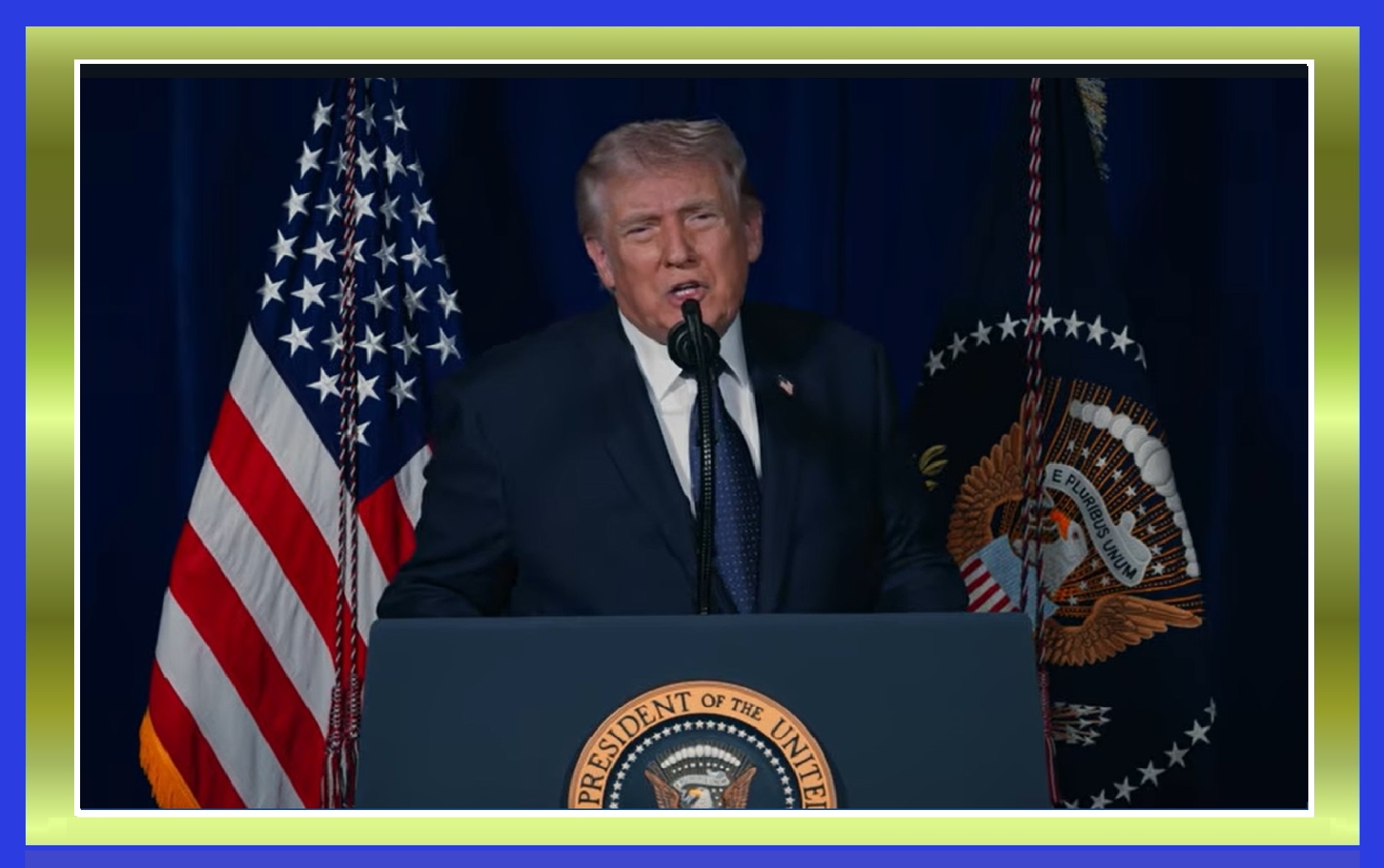
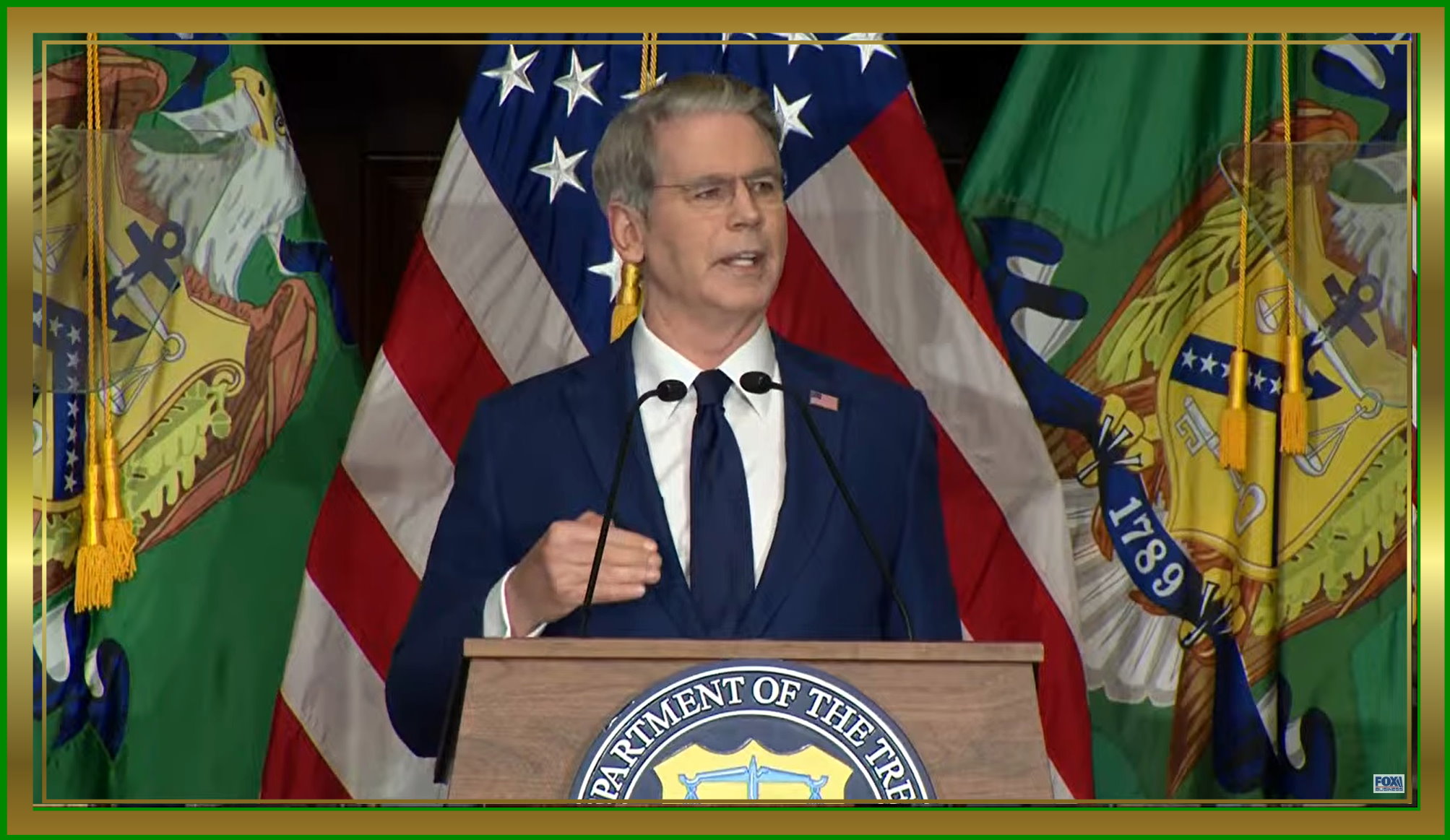
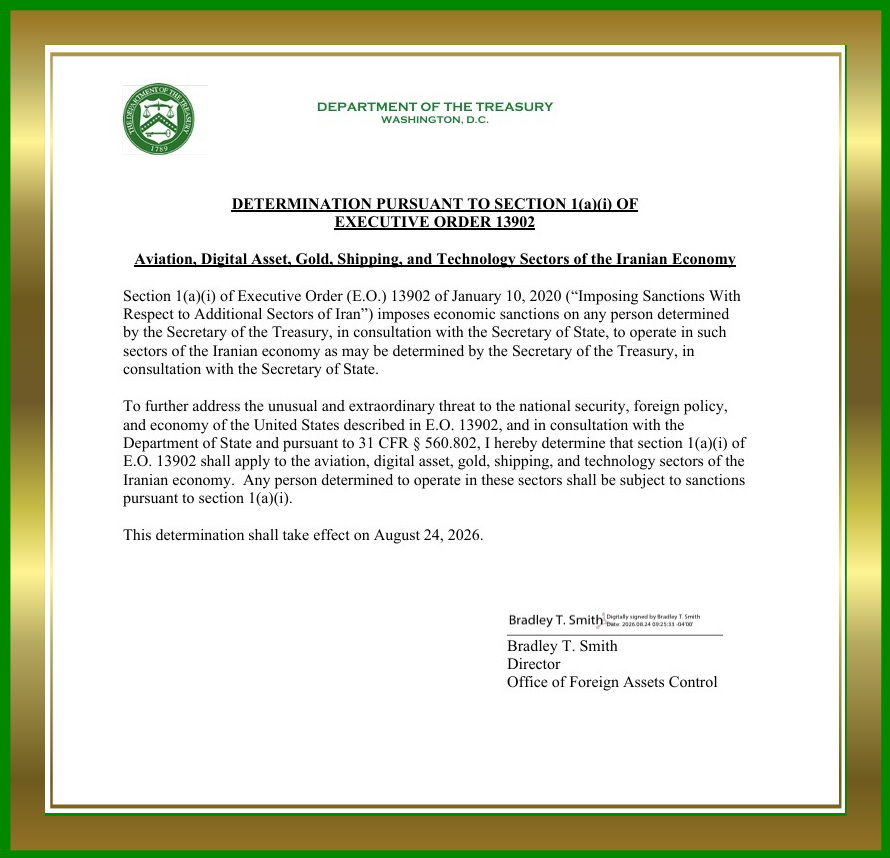

)
)
)
)
)
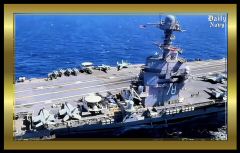
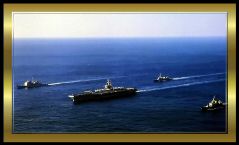
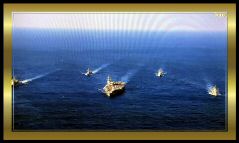
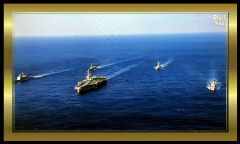
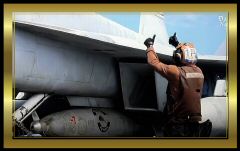
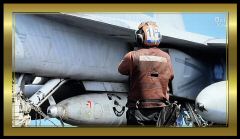
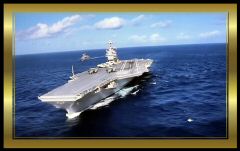
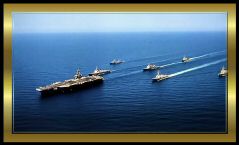
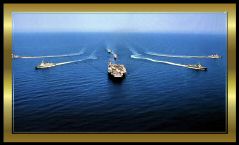
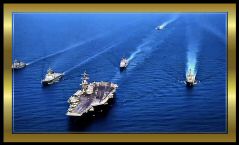
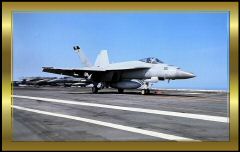
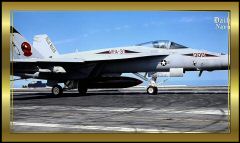
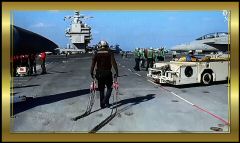
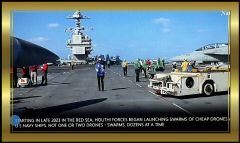
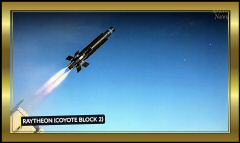
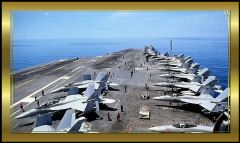
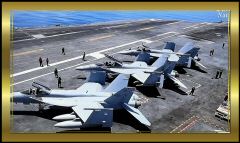
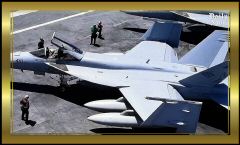
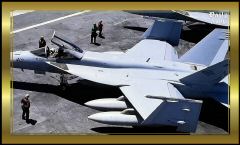
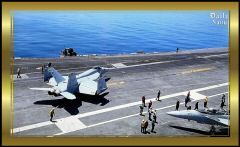
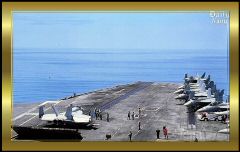
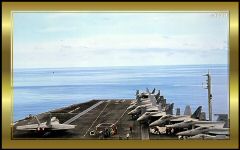
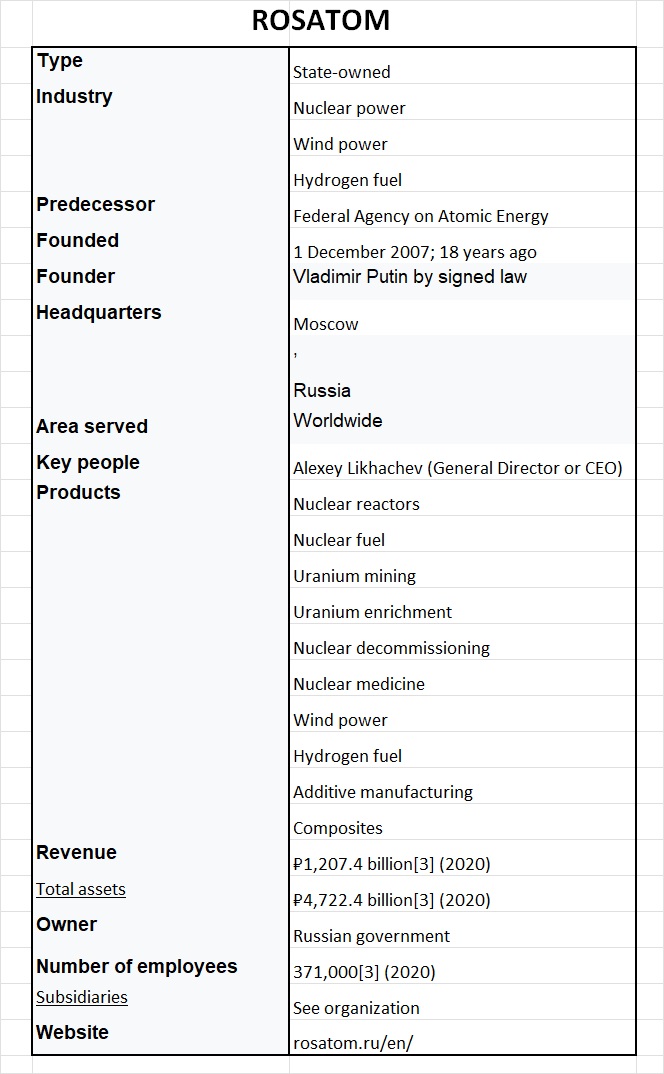
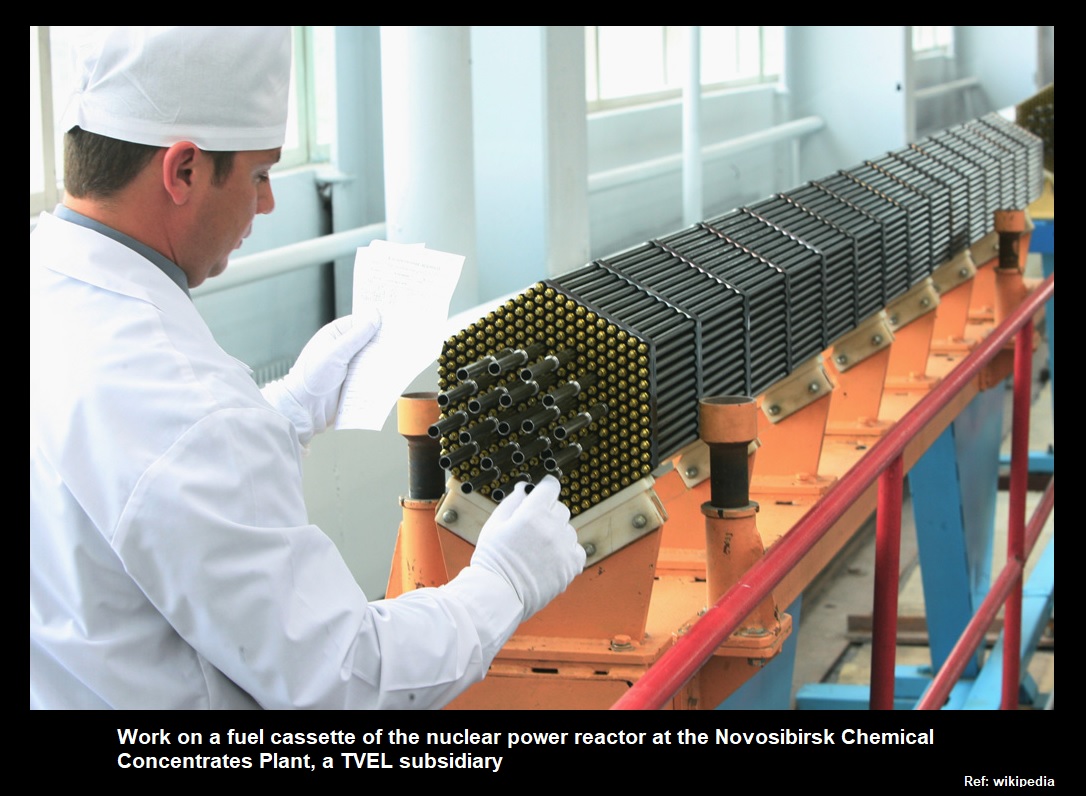
)
)
)
)
)
)
)
)
)
)
)
)
)
)
)
)
)
)
)
)
)
)
)
)
)
)
)
)
)
)
)
)
)
)
)
)
)
)
)
)
)
)
)
)
)
)
)
)
)
)
)
)
)
)
)
)
)
)
)
)
)
)
)
)
)
)
)
)
)
)
)
)
)
)
)
)
)
)
)
)
)
)
)
)
)
)
)
)
)
)
)
)
)
)
)
)
)
)
)
)
)
)
)
)
)
)
)
)
)
)
)
)
)
)
)
)
)
)
)
)
)
)
)
)
)
)
)
)
)
)
)
)
)
)
)
)
)
)
)
)
)
)
)
)
)
)
)
)
)
)
)
)
)
)
)
)
)
)
)
)
)
)
)
)
)
)
)
)
)
)
)
)
)
)
)
)
)
)
)
)
)
)
)
)
)
)
)
)
)
)
)
)
)
)
)
)
)
)
)
)
)
)
)
)
)
)
)
)
)
)
)
)
)
)
)
)
)
)
)
)
)
)
)
)
)
)
)
)
)
)
)
)
)
)
)
)
)
)
)
)
)
)
)
)
)
)
)
)
)
)
)
)
)
)
)
)
)
)
)
)
)
)
)
)
)
)
)
)
)
)
)
)
)
)
)
)
)
)
)
)
)
)
)
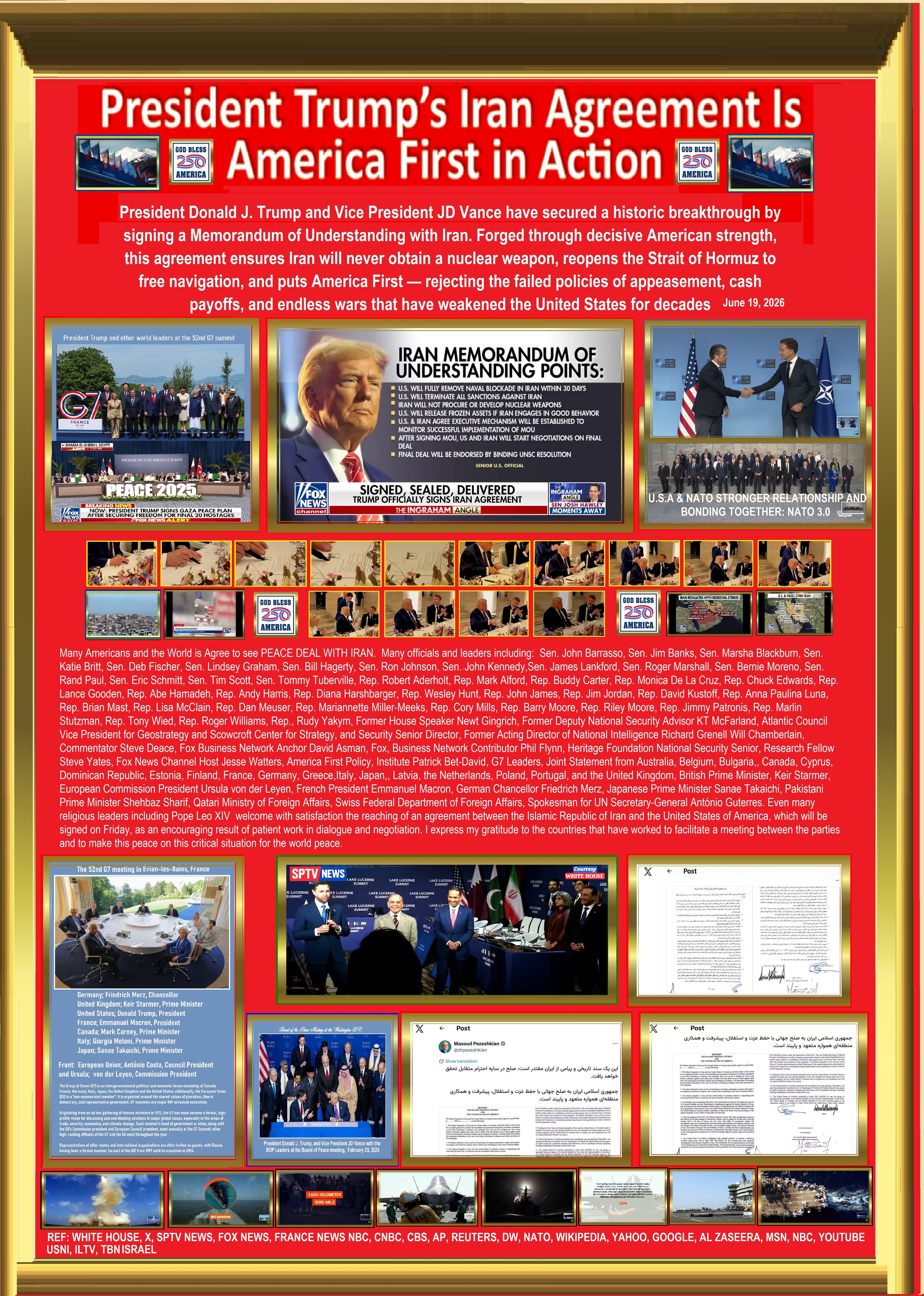
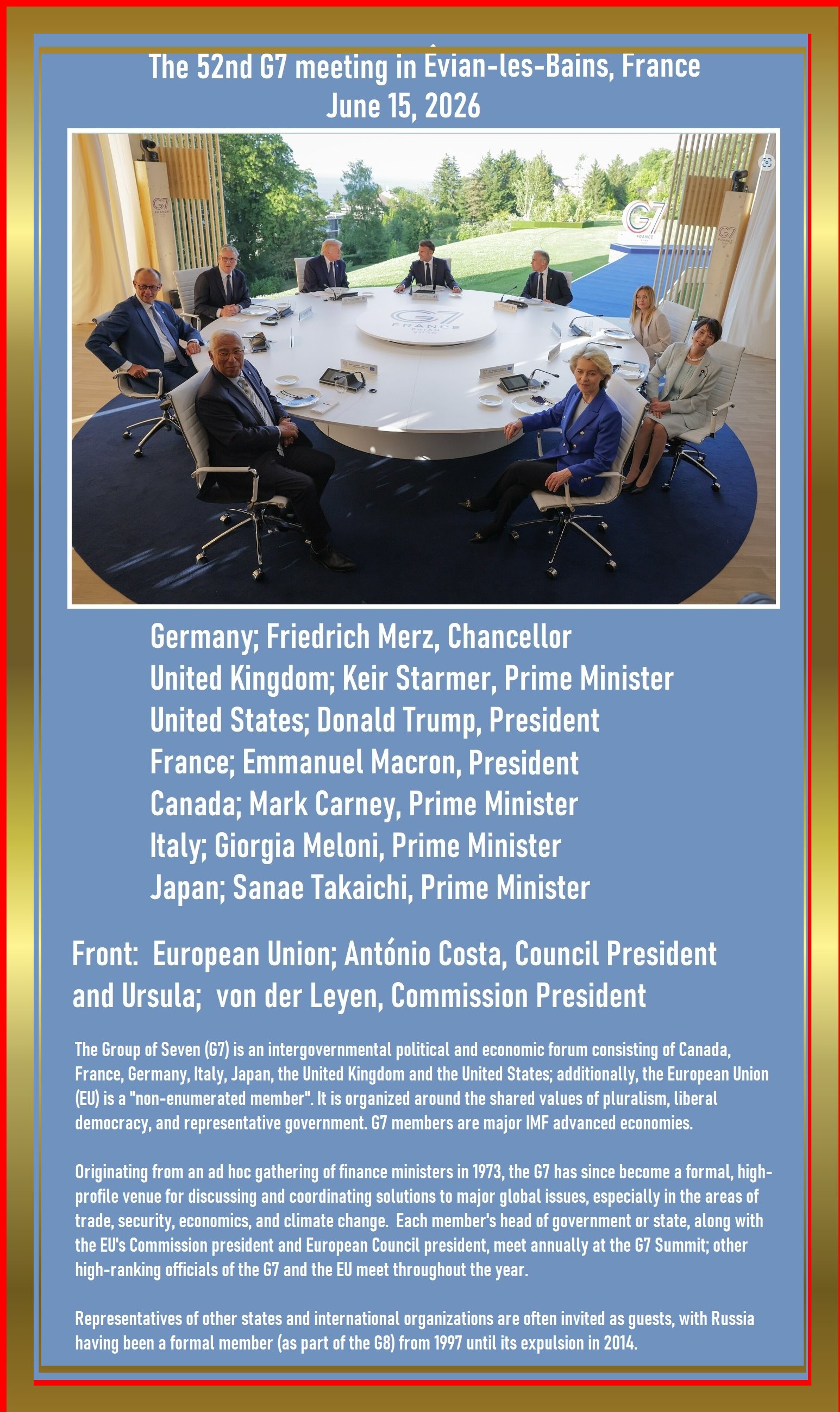
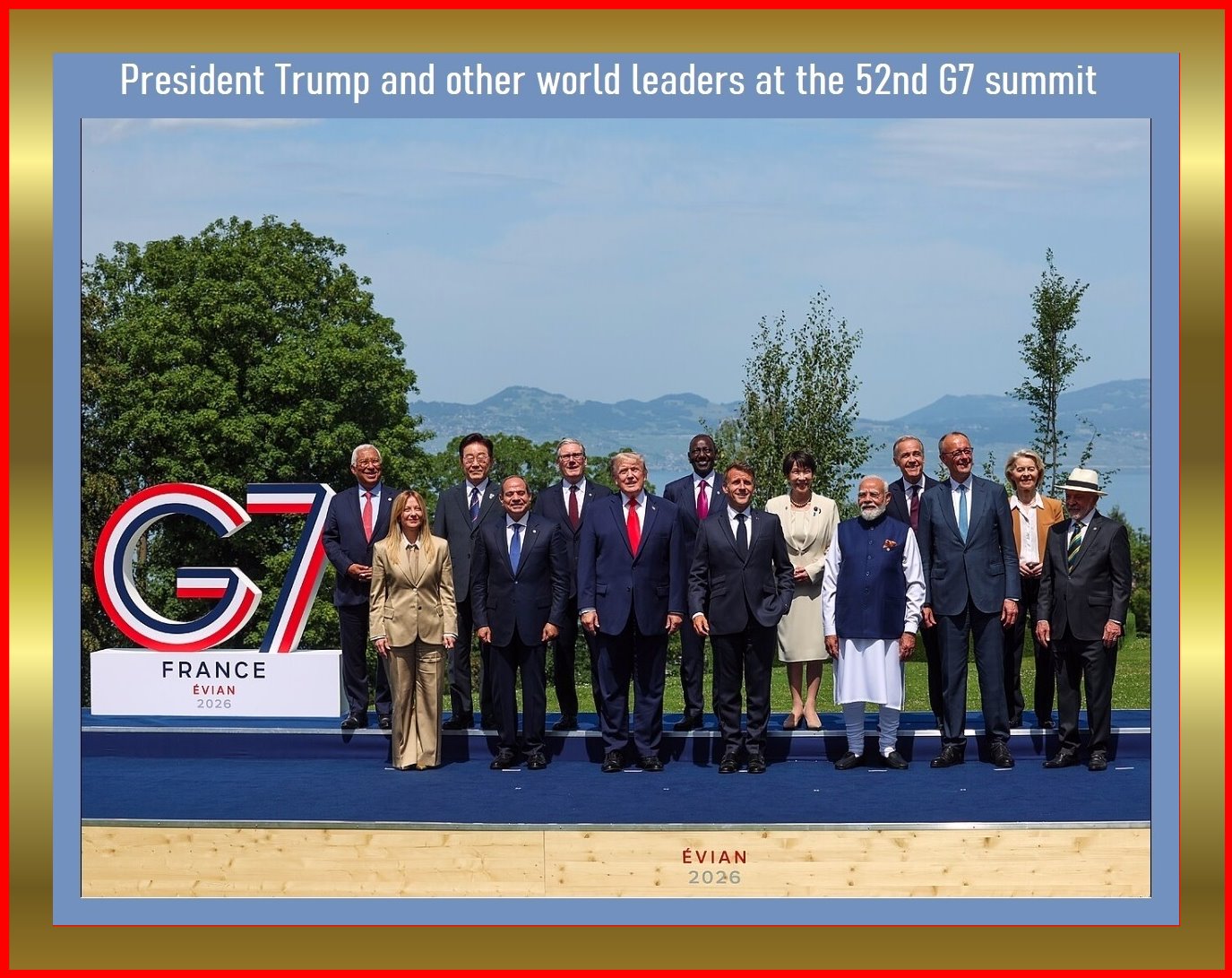
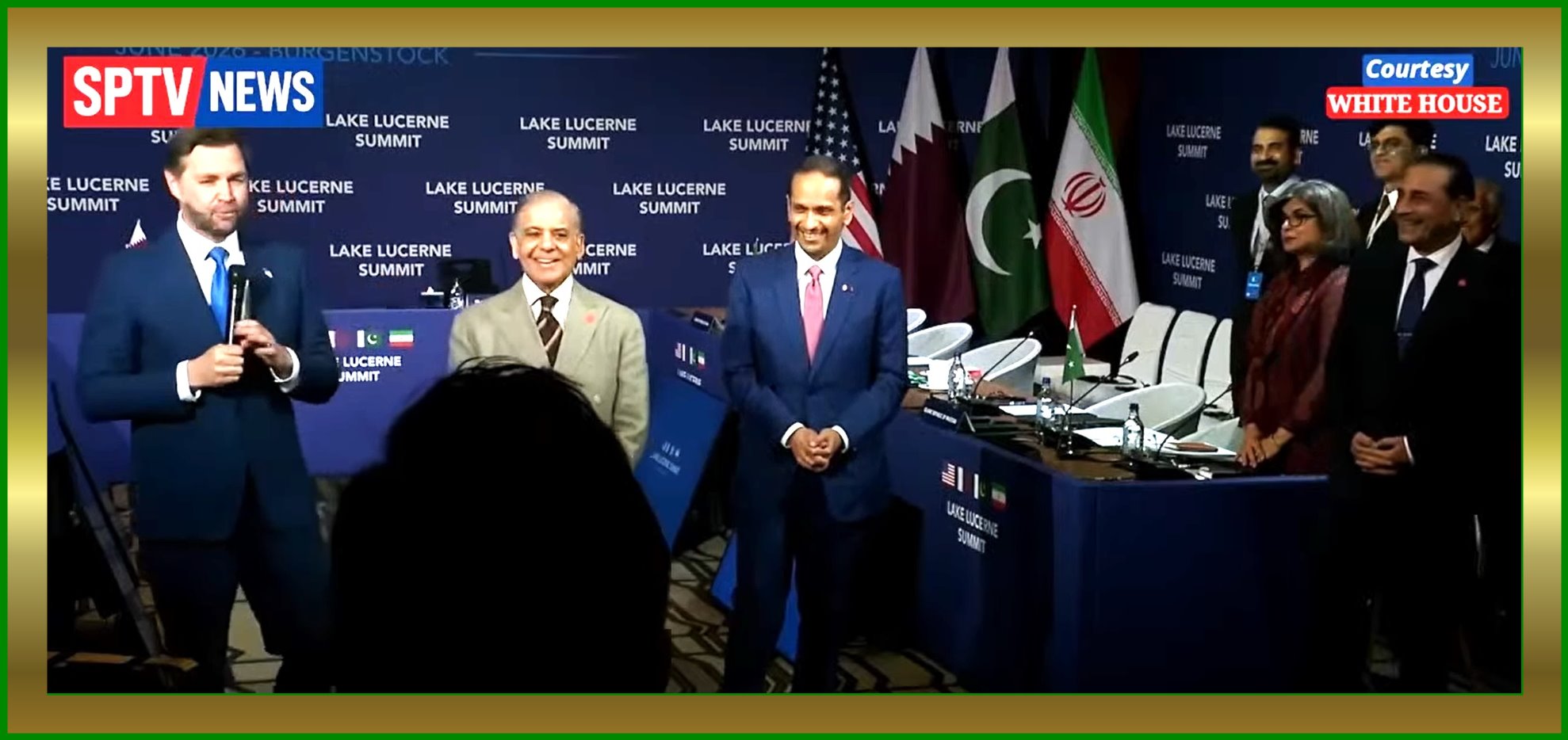
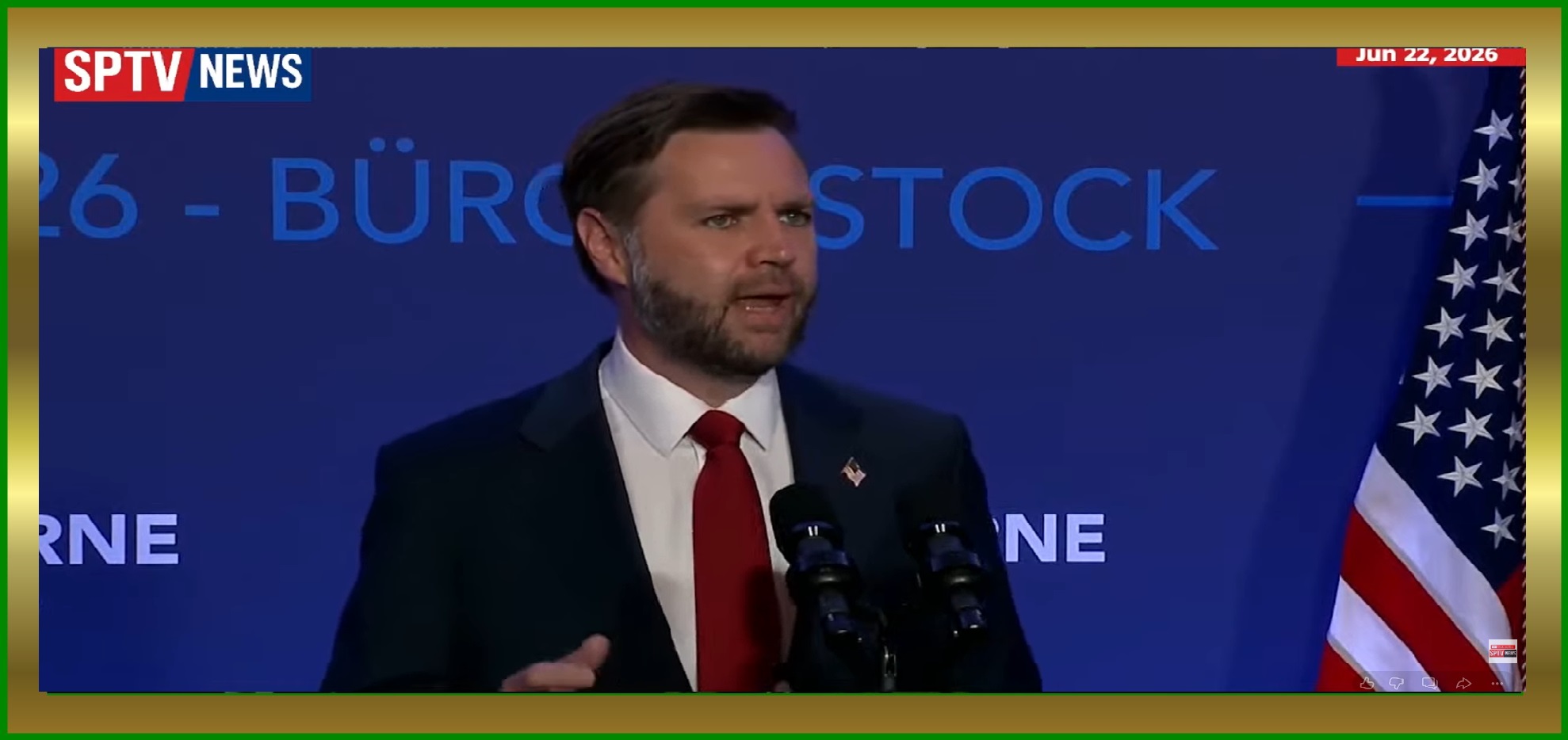
)
)
)
)
)
)
)
)
)
)
)
)
)
)
)
)
)
)
)
)
)
)
)
)
)
)
)
)
)
)
)
)
)
)
)
)
)
)
)
)
)
)
)
)
)
)
)
)
)
)
)
)
)
)
)
)
)
)
)
)
)
)
)
)
)
)
)
)
)
)
)
)
)
)
)
)
)
)
)
)
)
)
)
)
)
)
)
)
)
)
)
)
)
)
)
)
)
)
)
)
)
)
)
)
)
)
)
)
)
)
)
)
)
)
)
)
)
)
)
)
)
)
)
)
)
)
)
)
)
)
)
)
)
)
)
)
)
)
)
)
)
)
)
)
)
)
)
)
)
)
)
)
)
)
)
)
)
)
)
)
)
)
)
)
)
)
)
)
)
)
)
)
)
)
)
)
)
)
)
)
)
)
)
)
)
)
)
)
)
)
)
)
)
)
)
)
)
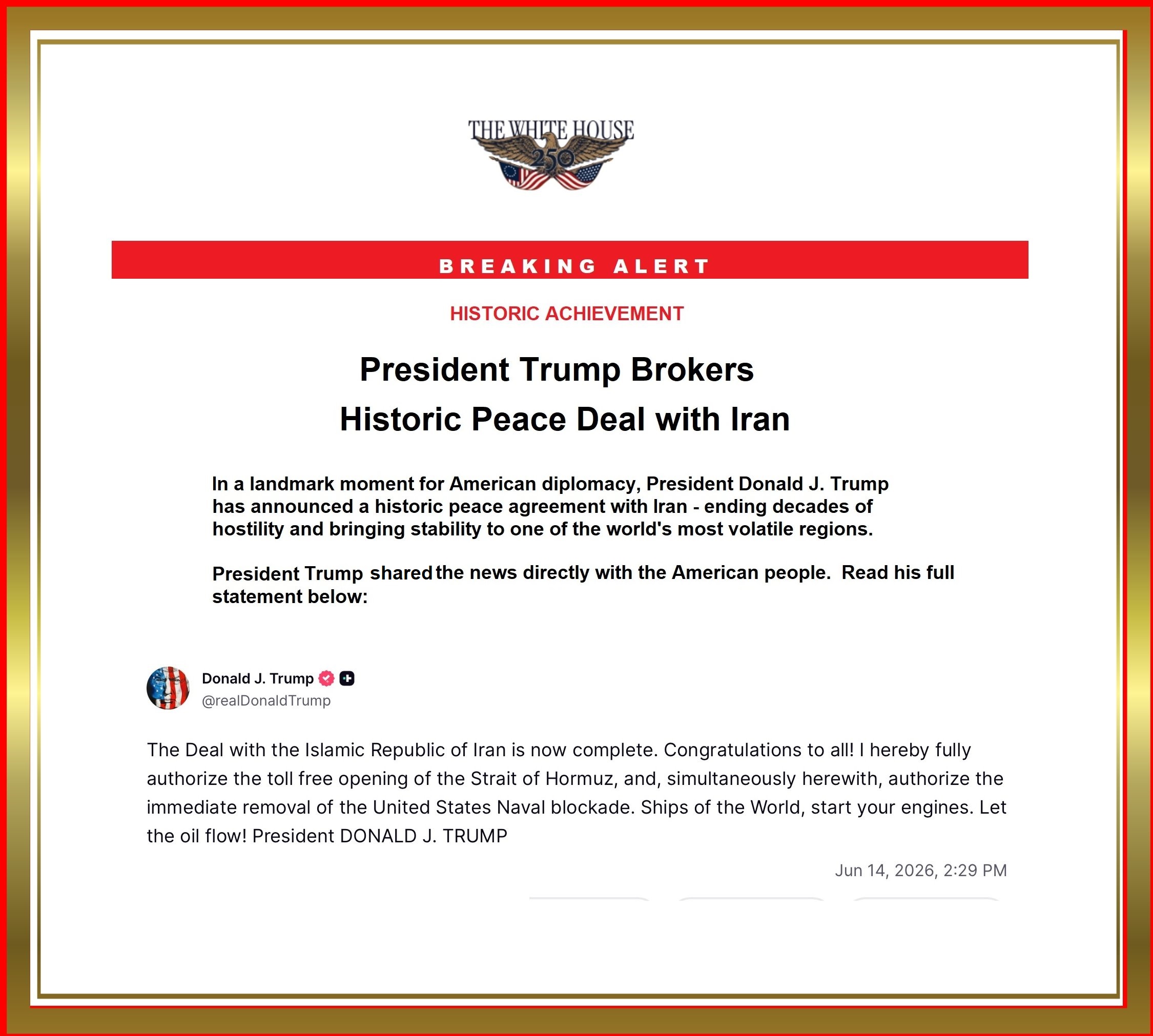
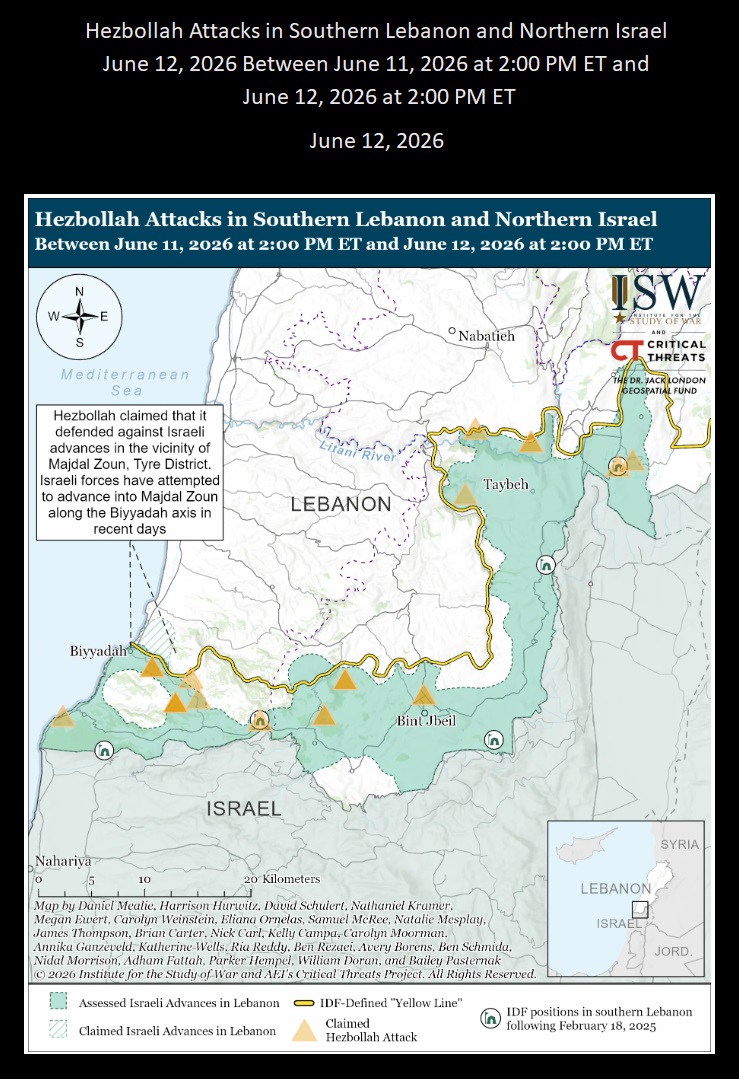
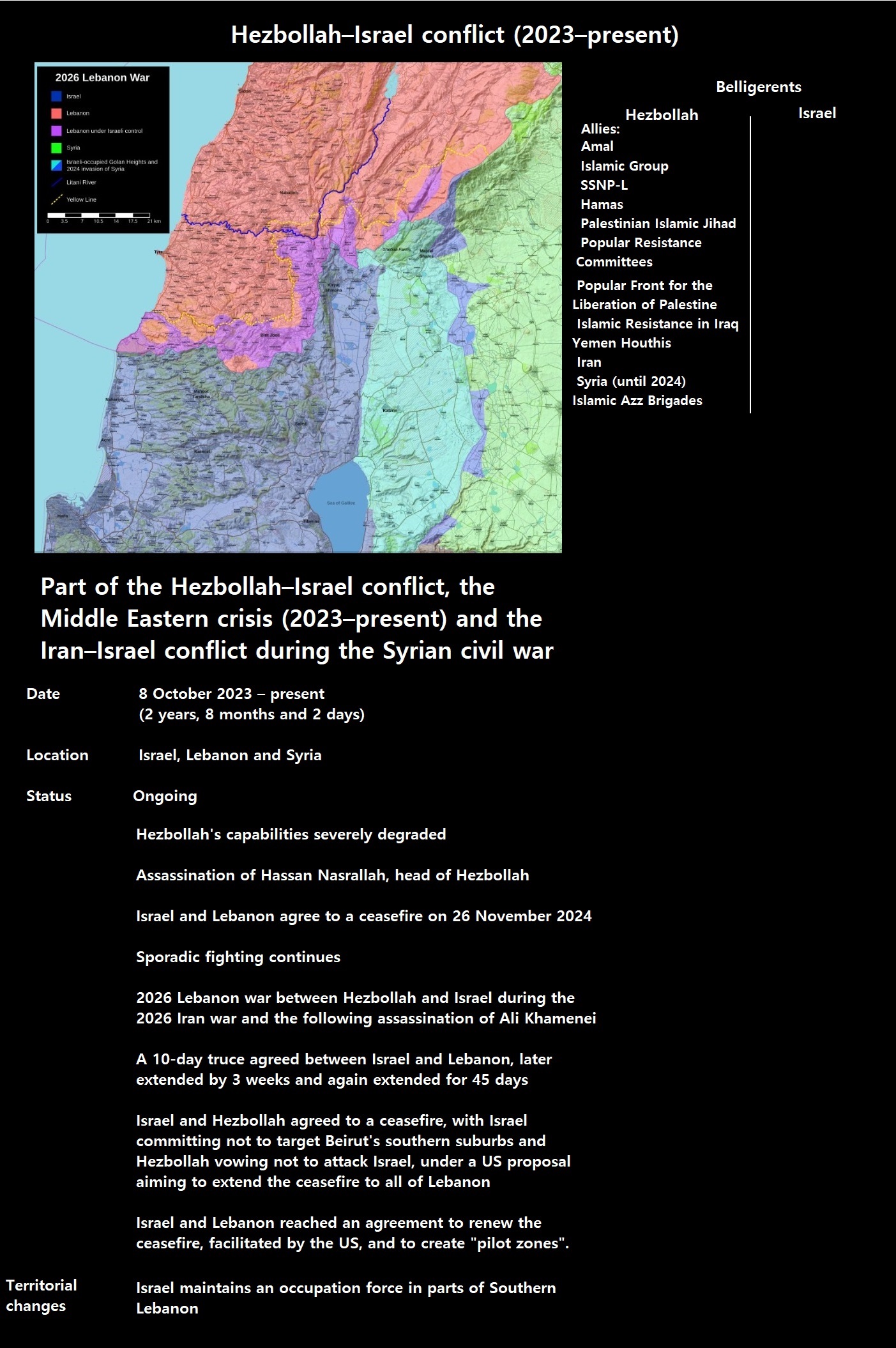

)
)
)
)
)
)
)
)
)
)
)
)
)
)
)
)
)
)
)
)
)
)
)
)
)
)
)
)
)
)
)
)
)
)
)
)
)
)
)
)
)
)
)
)
)
)
)
)
)
)
)
)
)
)
)
)
)
)
)
)
)
)
)
)
)
)
)
)
)
)
)
)
)
)
)
)
)
)
)
)
)
)
)
)
)
)
)
)
)
)
)
)
)
)
)
)
)
)
)
)
)
)
)
)
)
)
)
)
)
)
)
)
)
)
)
)
)
)
)
)
)
)
)
)
)
)
)
)
)
)
)
)
)
)
)
)
)
)
)
)
)
)
)
)
)
)
)
)
)
)
)
)
)
)
)
)
)
)
)
)
)
)
)
)
)
)
)
)
)
)
)
)
)
)
)
)
)
)
)
)
)
)
)
)
)
)
)
)
)
)
)
)
)
)
)
)
)
)
)
)
)
)
)
)
)
)
)
)
)
)
)
)
)
)
)
)
)
)
)
)
)
)
)
)
)
)
)
)
)
)
)
)
)
)
)
)
)
)
)
)
)
)
)
)
)
)
)
)
)
)
)
)
)
)
)
)
)
)
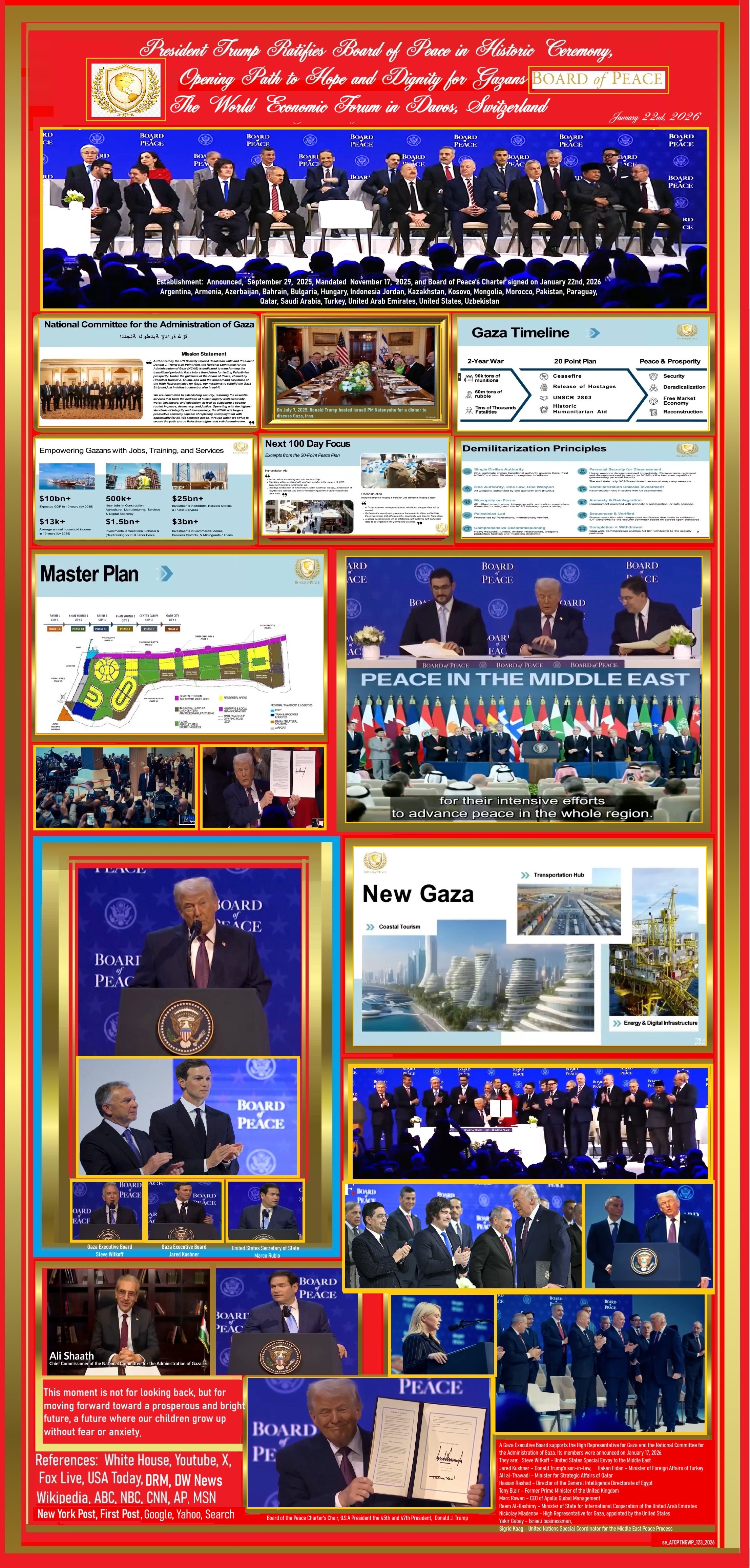
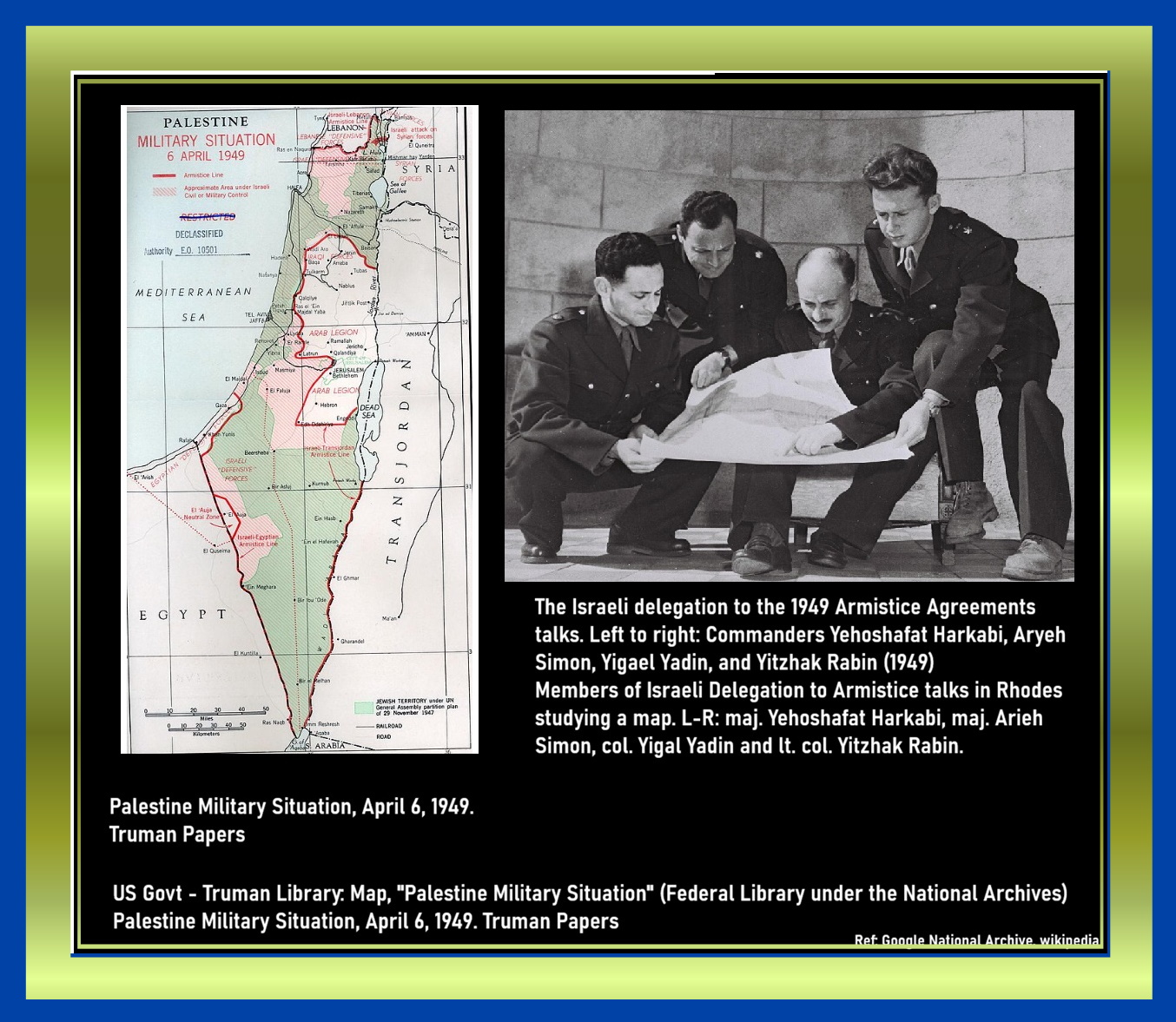
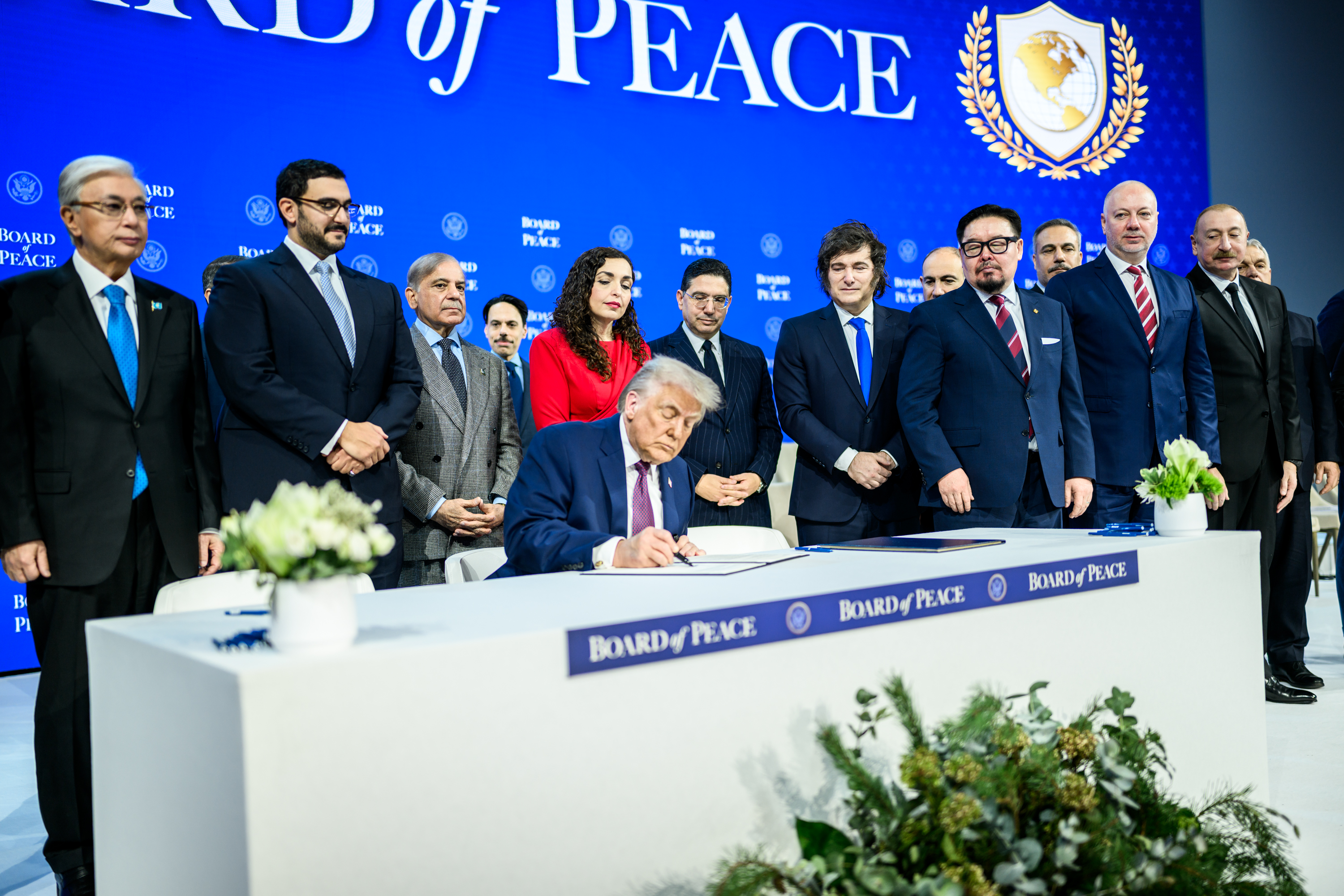
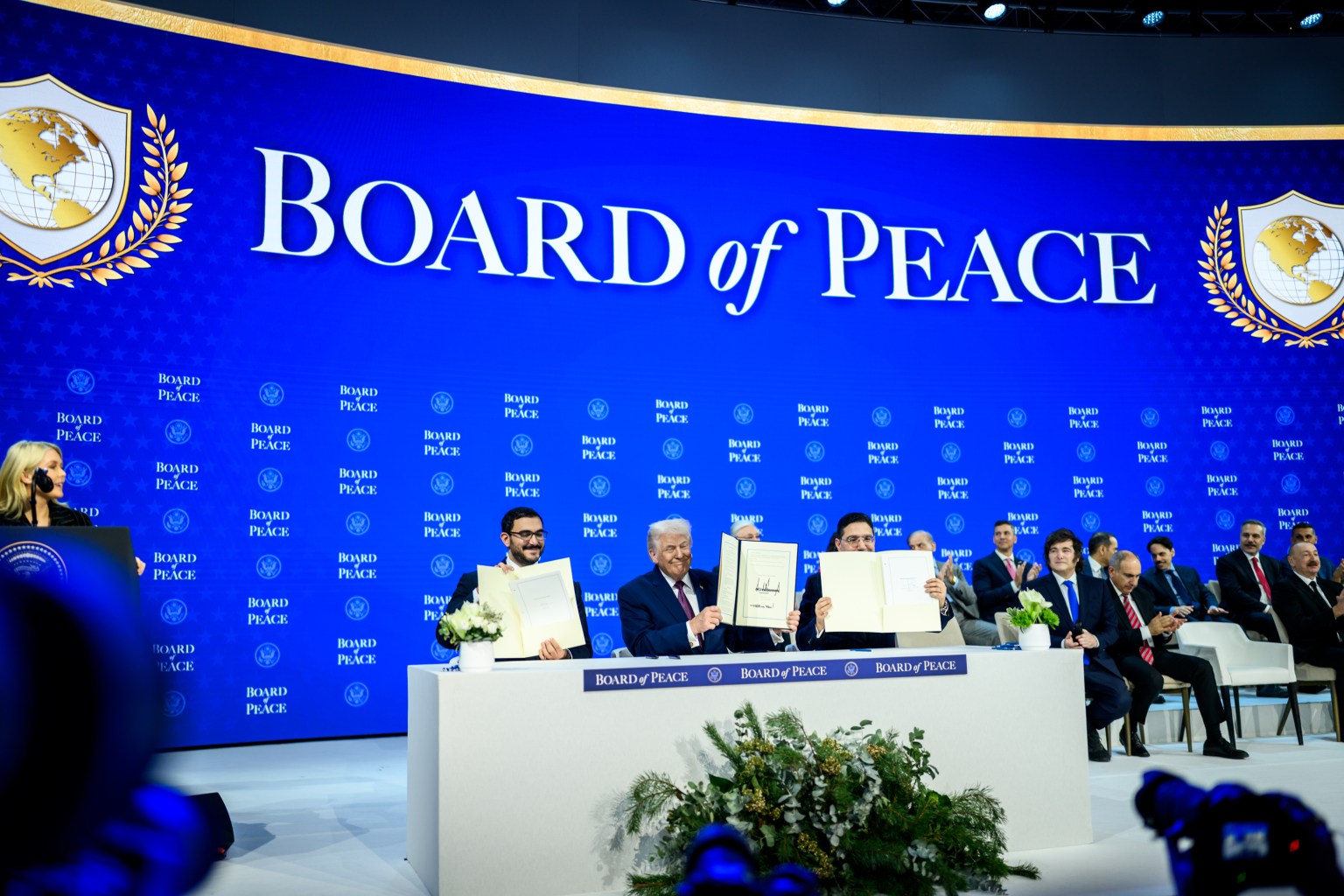
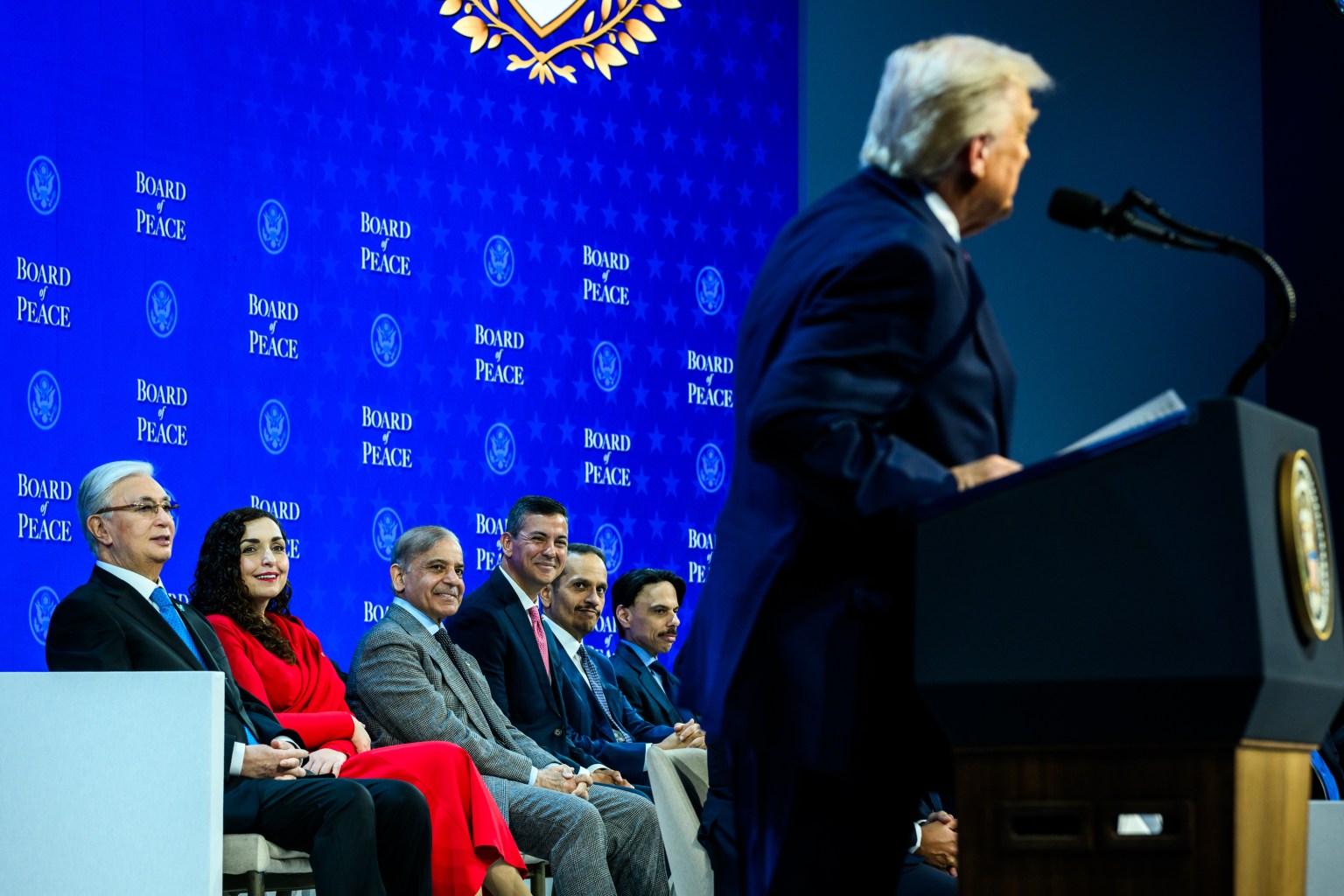
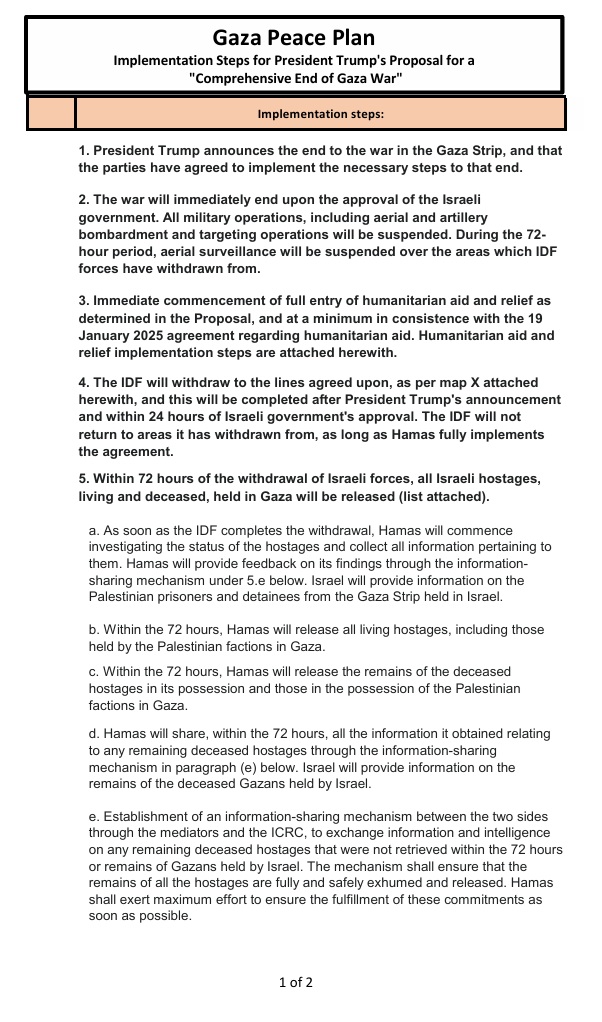
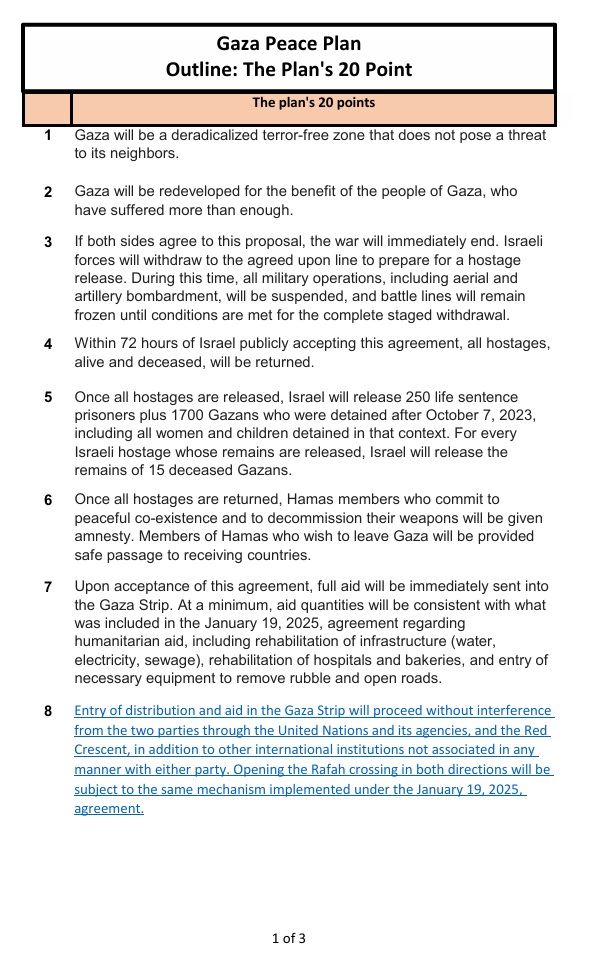
)
)
)
)
)
)
)
)
)
)
)
)
)
)
)
)
)
)
)
)
)
)
)
)
)
)
)
)
)
)
)
)
)
)
)
)
)
)
)
)
)
)
)
)
)
)
)
)
)
)
)
)
)
)
)
)
)
)
)
)
)
)
)
)
)
)
)
)
)
)
)
)
)
)
)
)
)
)
)
)
)
)
)
)
)
)
)
)
)
)
)
)
)
)
)
)
)
)
)
)
)
)
)
)
)
)
)
)
)
)
)
)
)
)
)
)
)
)
)
)
)
)
)
)
)
)
)
)
)
)
)
)
)
)
)
)
)
)
)
)
)
)
)
)
)
)
)
)
)
)
)
)
)
)
)
)
)
)
)
)
)
)
)
)
)
)
)
)
)
)
)
)
)
)
)
)
)
)
)
)
)
)
)
)
)
)
)
)
)
)
)
)
)
)
)
)
)
)
)
)
)
)
)
)
)
)
)
)
)
)
)
)
)
)
)
)
)
)
)
)
)
)
)
)
)
)
)
)
)
)
)
)
)
)
)
)
)
)
)
)
)
)
)
)
)
)
)
)
)
)
)