
President
Trump Secures the Biggest Oil Deal
in World History
The White House | September 2nd, 2026
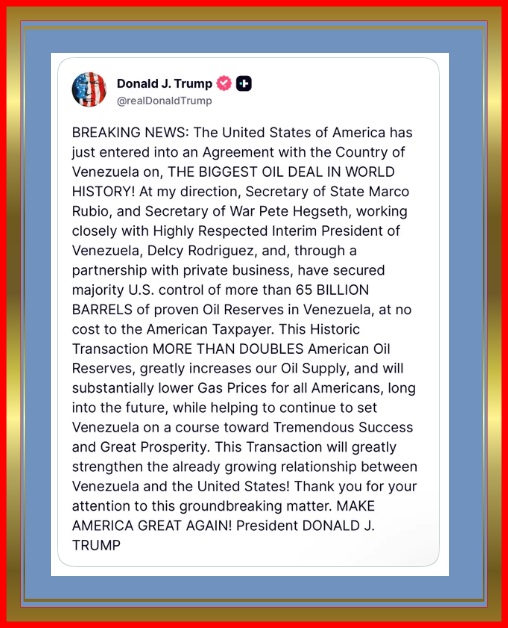
President Trump has secured the biggest oil deal in
world history, delivering U.S. majority control of more than 65 billion
barrels of proven oil reserves in Venezuela – vastly expanding our current U.S.
territorial proven reserves of roughly 46 billion barrels. President Trump’s
bold foreign policy is driving America First wins: this deal greatly increases America’s oil reserves,
dramatically bolsters our oil supply, and helps deliver lower gas prices for
the American people—costing taxpayers nothing!
HERE’S WHAT YOU NEED TO KNOW:
- This
deal secures our energy dominance for the next century—all at zero cost to
the United States.
- The
deal, signed by Secretary of State Marco Rubio and Secretary of War Pete
Hegseth, gives the U.S. government powerful governance rights, economic
ownership, and guaranteed low-cost off-take from a new private Venezuelan
oil champion, which will be the second-largest private oil company by
reserves in the world.
- Millions
of barrels of new Venezuelan output will be processed through U.S.
refineries and pumped with American rigs and infrastructure, supporting
billions in investment in the United States and thousands of jobs here at
home.
- This
groundbreaking privatization and investment in Venezuela’s energy sector
is a key step in the Trump Administration’s three-part plan of
stabilization, reconstruction and democratic transition.
Private-sector-led growth in production, output, and investment in
Venezuela is a key precondition to driving continued reform and democratic
transition following the incredible success of Operation Absolute Resolve.
- The
majority of the incremental oil fields to be operated by NABEP were
previously controlled or operated by Russian and Chinese firms, or by
corrupt cronies of Maduro and Chavez. These malign foreign actors looted
Venezuela’s resources for the benefit of American adversaries like Cuba,
Russia and China and failed to invest in Venezuela’s infrastructure or
development.
- President
Trump has re-established the Monroe Doctrine, purging foreign malign
influence from our backyard and ensuring American dominance in our
hemisphere is never again questioned.
- By
working with both new and old partners, President Trump’s Administration
is forging new robust, strategic and defensible supply chains in our
hemisphere to support the revitalization of our manufacturing and energy
sectors after years of globalist decline.
CORRECTING THE RECORD AGAINST THE MAIN STREAM
MEDIA’S BASELESS ATTACKS ON THE LARGEST OIL DEAL IN WORLD HISTORY:
- This
is a deal with a private company – not the Venezuelan
interim government.
- It’s
not a deal with the interim government of Venezuela and there was not a
political process included in the negotiations.
- The
Trump Administration announced a 3-phase plan for Venezuela: stability,
economic recovery, and reconciliation – and ultimately democratic
transition. There can be no transition without a stable economy, and this
deal will bring us to a place where elections are possible. This is
a country that has been plagued for decades with hyperinflation and
virtually zero investment. This privatization helps make a
democratic transition possible. It’s a good deal for the people
of Venezuela and will supercharge their economic recovery.
- We
have established new financial monitors, ensuring that oil revenues are
put to productive uses for the Venezuelan people. We have instituted
audits and robust governance protections to ensure that it’s not like
PDVSA. Any amounts that NABEP allocates to PDVSA will go through the
US-managed and audited account.
- This
deal is virtually identical to the way that Chevron operates in Venezuela.
This oil has been underutilized and has been sitting in the ground when it
could be used to propel economic recovery for the Venezuelan people.
- The
17 fields included in this deal were not in the hands of or being operated
by Venezuelans. They were being operated by corrupt and nefarious foreign
actors. We are replacing them with an above-board U.S.-led system that
will offer great benefits to both the American and Venezuelan
people.
- This
deal has been struck with a private company that has the best track record
of success of any company operating in Venezuela— a proven operator, who
knows how to scale production and can operate there. This is a U.S. law
contract that was negotiated with U.S. law firms and auditors to ensure
strict audits and robust governance protections are included in the deal.
- This
deal has been struck with a private company that already produces 250K
barrels of oil a day. Because of the off-take rights, as soon as early
next year, material production will be coming to the United States.
- By
the end of the year, there will be at-cost oil flowing to the market to
help bring down gas prices for the American people. It will rapidly scale
over the next year.

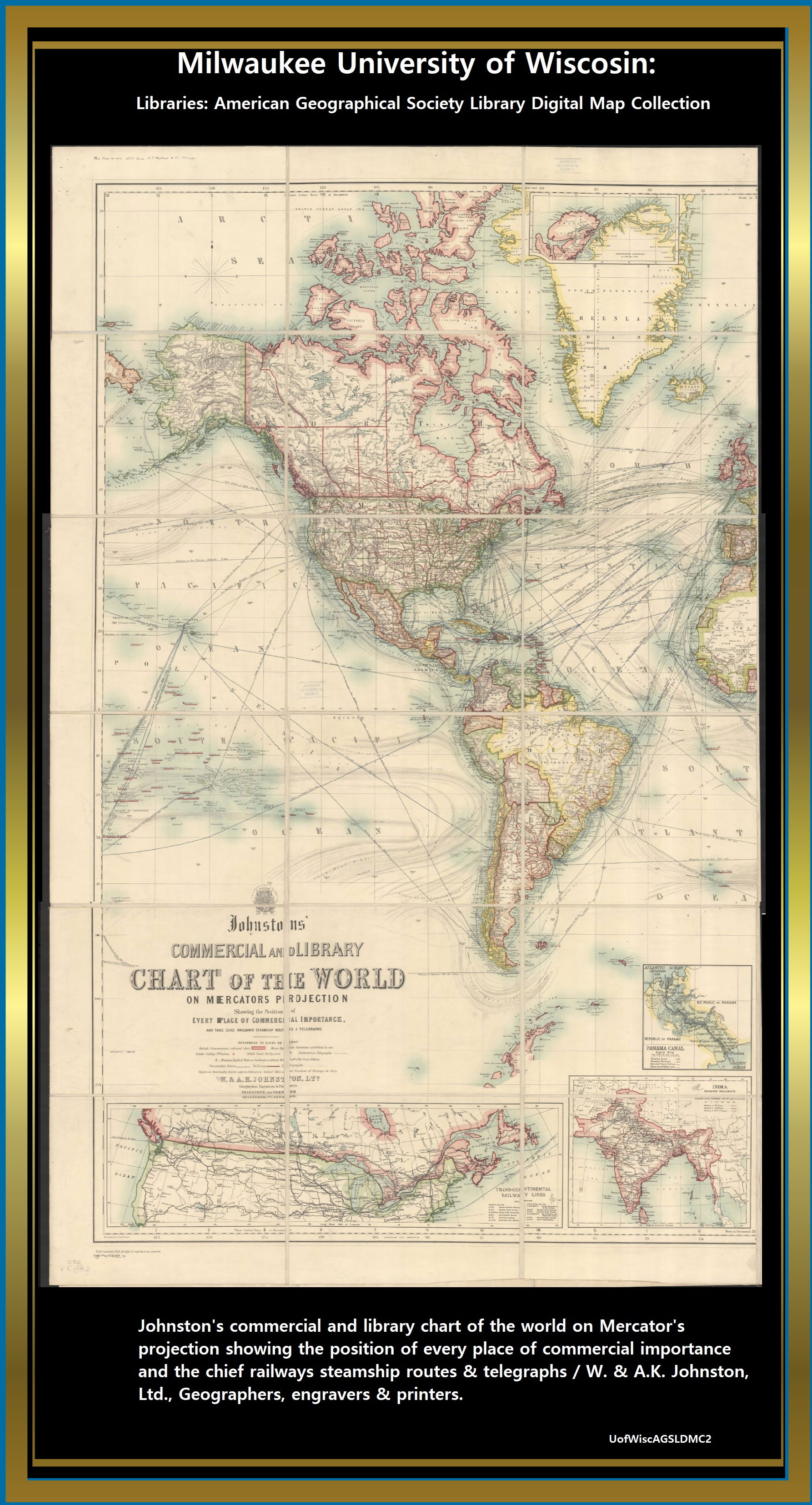
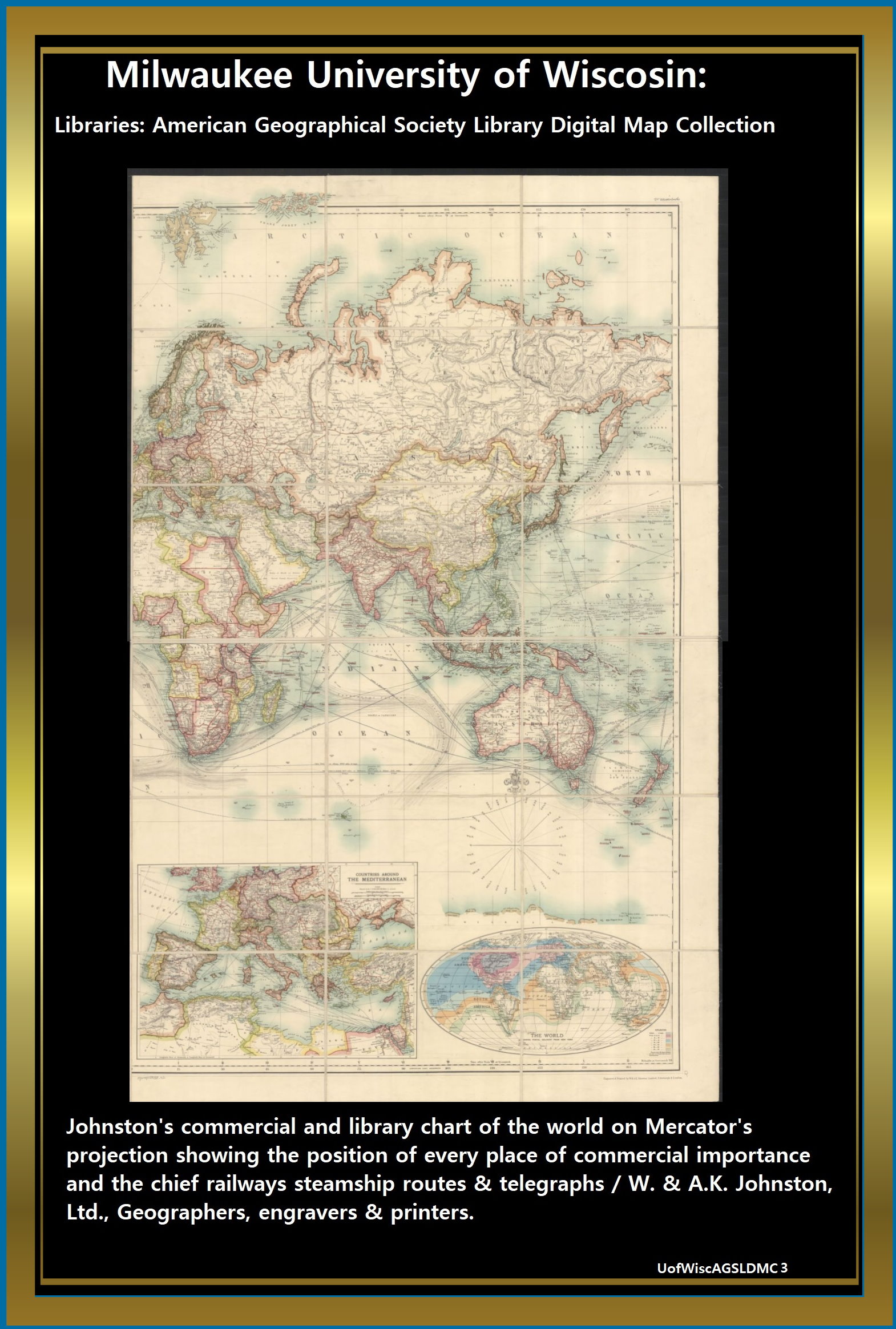
The Shipping routes:
Lifelines of Global trade
The Shipping routes are the lifelines of global trade, connecting continents and facilitating the movement of goods across vast distances. These routes are crucial for international commerce, influencing economies and industries worldwide. Here, we explore ten of the most significant global shipping routes and their importance in maintaining global trade flow.
Shipping routes are vital for international trade and can influence global economies by affecting the cost and availability of goods, including energy resources and consumer products.
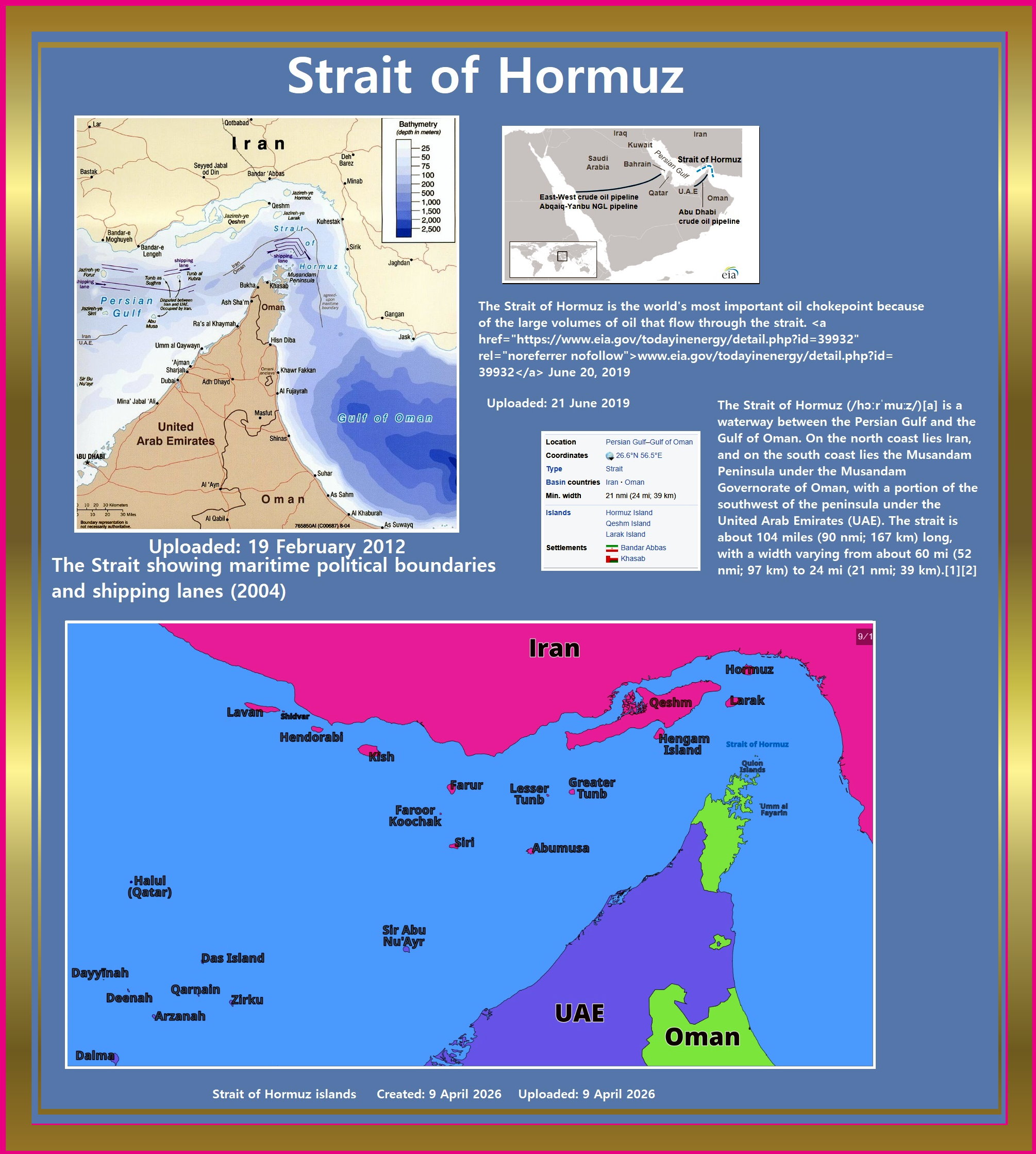
The Strait of Hormuz is the most crucial shipping route for global oil trade, as it handles about 20% of the world’s oil supply.
Situated between the Persian Gulf and the Gulf of Oman, the Strait of Hormuz is one of the most strategic chokepoints in global shipping. It is the conduit for a significant portion of the world's oil supply, with about 20% of global oil trade passing through this narrow strait. the Strait of Hormuz holds immense geopolitical importance, as disruptions here can lead to significant impacts on global oil prices and supply chains.
Hormuz Strait Route
It is the world’s most
significant oil shipping lane, with a recorded oil flow of about 21 million
barrels daily in 2022. Additionally, around one-fifth of the world’s total LNG
shipments also passed through this strait in the same year.
According to the information on
Vortexa, which tracks tanker movements, Saudi Arabia ships the
most crude oil through the Hormuz Strait.
More than 80% of crude oil that
passed through this strait ended up in Asia in 2022, with the top importers
being India, China, South Korea and Japan.
The Malacca Strait is a critical shipping lane between the Andaman Sea and the South China Sea, connecting the Indian Ocean to the Pacific Ocean. It is one of the busiest maritime corridors in the world, handling a substantial portion of global trade, including energy resources and consumer goods. The strait's strategic location makes it essential for trade between Asia and the Western world.
Malacca Strait- The shortest
route to Asia
Indonesia and China are two
major recipients of the oil passing through this strait. It is also an
essential sea route for LNG originating
from Africa and the Persian Gulf, especially Qatar. This LNG is mainly destined
for East Asian markets with rising demands.
The waterway is just 1.7 miles
broad at its narrowest, so there are high chances of ship collisions, oil
spill accidents, and ship groundings. Piracy is
another major issue faced by tankers crossing this route.
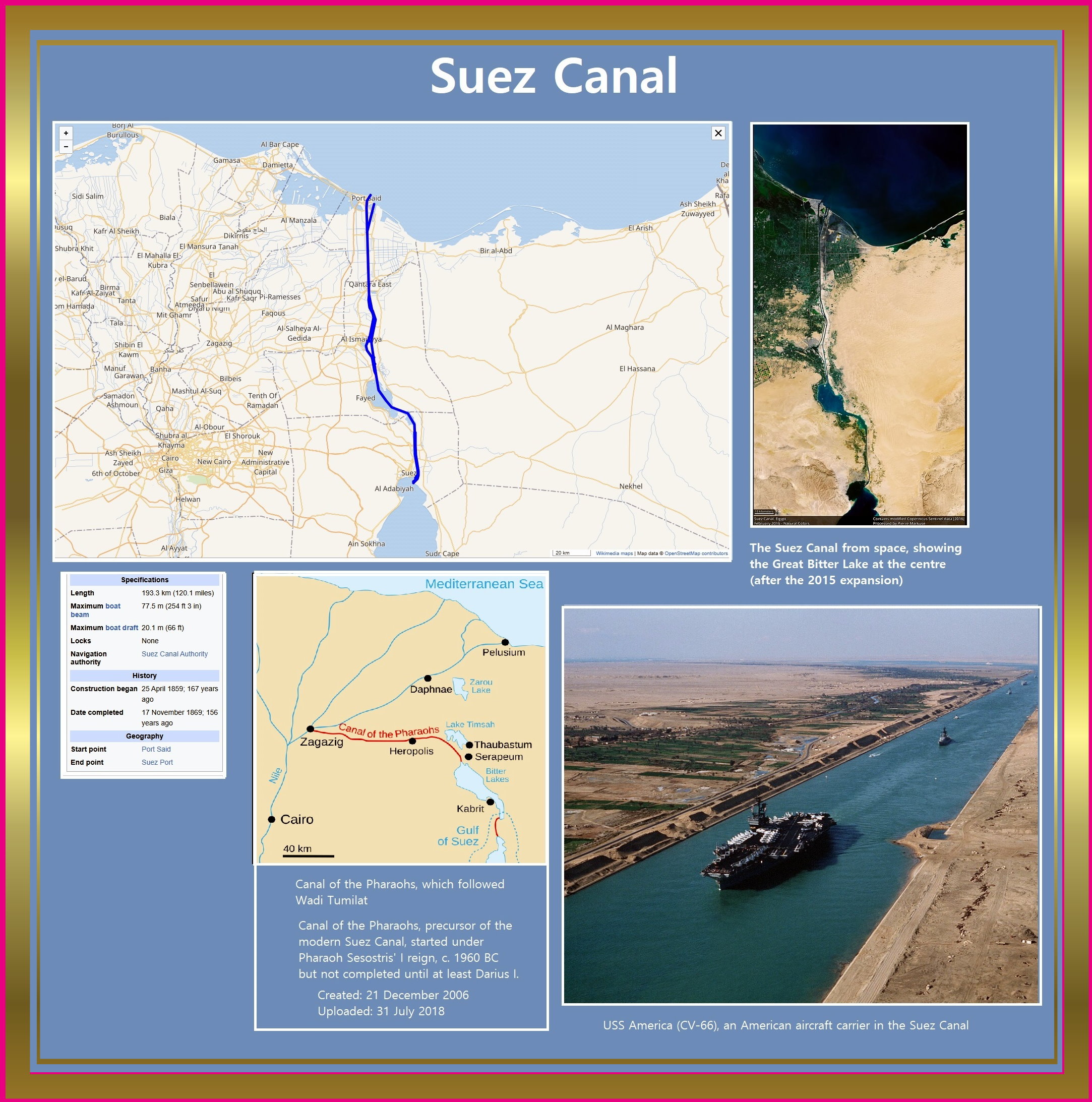
The Suez Canal: The Suez Canal Egyptian Arabic: is an artificial sea-level waterway in Egypt, connecting the Mediterranean Sea to the Red Sea through the Isthmus of Suez and dividing Africa and Asia (and by extension, the Sinai Peninsula from the rest of Egypt). It is the border between Africa and Asia. The 193.3-kilometre-long (120.1-mile) canal is a key trade route between Europe and Asia.
The Suez Canal, located in Egypt, is one of the world's most crucial waterways. It connects the Mediterranean Sea to the Red Sea, allowing ships to bypass the lengthy journey around Africa. This shortcut significantly reduces shipping times between Europe and Asia, making it vital for global trade. The canal handles approximately 12% of global trade, underscoring its importance in the movement of goods.
The Suez Canal reduces shipping times between Europe and Asia by providing a direct route between the Mediterranean Sea and the Red Sea, bypassing the long journey around Africa.
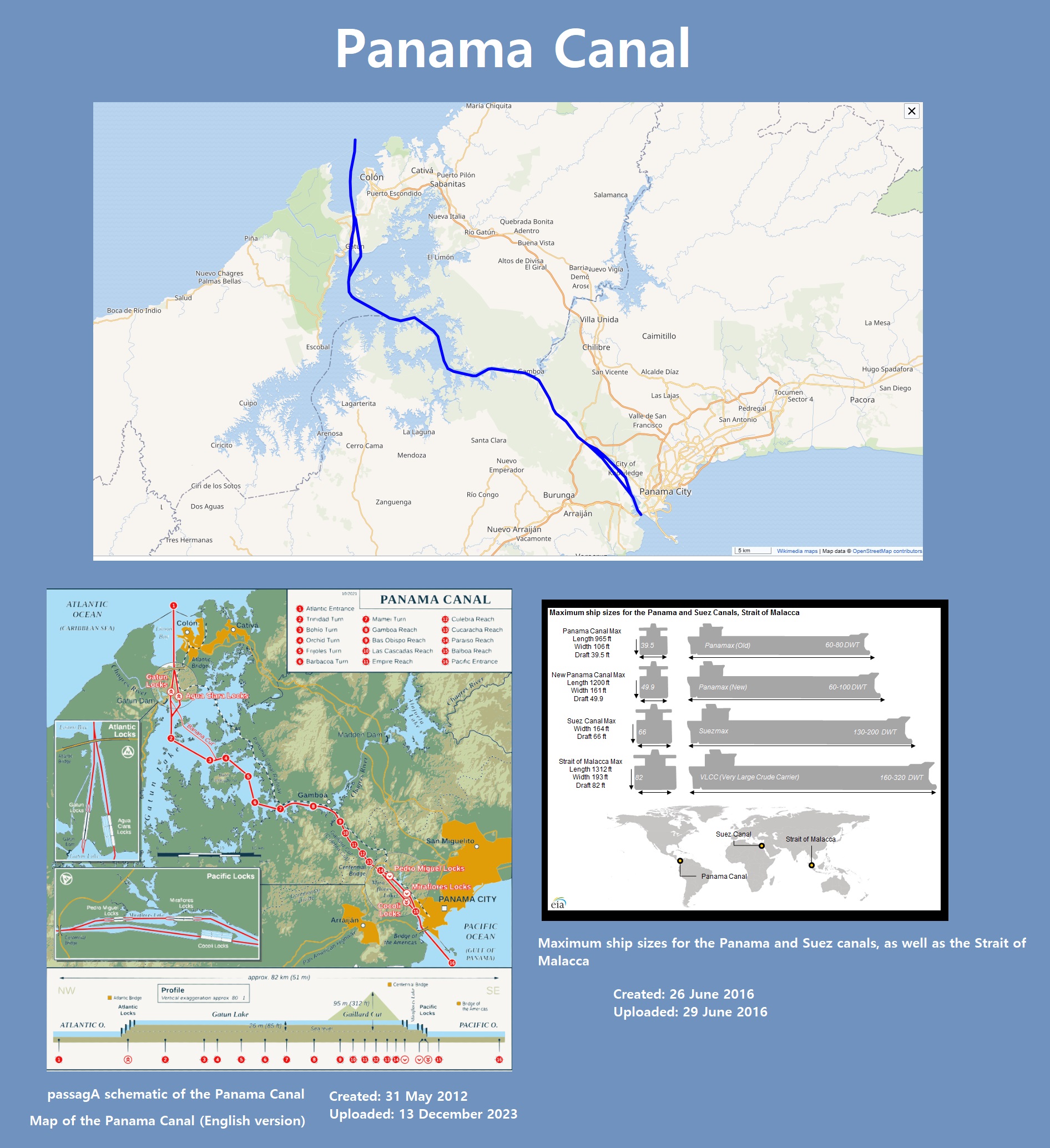
The Panama Canal: connects the Atlantic and Pacific Oceans, allowing ships to avoid the lengthy and hazardous voyage around South America, thus facilitating trade between the East and West coasts of the Americas.
Linking the Atlantic and Pacific Oceans, the Panama Canal is another key global shipping route. Located in Panama, this man-made waterway enables vessels to avoid the lengthy and hazardous trip around Cape Horn at the southern tip of South America. The Panama Canal is pivotal for trade between the East and West coasts of the Americas, as well as for trans-Pacific and trans-Atlantic shipping.
The Bosporus Strait: Linking the Black Sea to the Sea of Marmara and, indirectly, to the Mediterranean Sea, the Bosporus Strait is a vital shipping route that passes through Istanbul, Turkey. It is crucial for transporting oil and gas from the Caspian Sea region to global markets. Much like Westminster bridgeconnects different parts of London, the Bosporus plays a significant role in connecting Eastern Europe and the Middle East with the rest of the world.
The Strait Of Gibraltar: The Strait of Gibraltar connects the Atlantic Ocean to the Mediterranean Sea and separates Europe from Africa. This narrow passage is a key route for vessels traveling between the two oceans and is crucial for trade between Europe and the Middle East. The strategic importance of the Strait of Gibraltar extends beyond shipping, impacting global naval operations and security.
The South China Sea: The South China Sea is a critical maritime region connecting the Indian Ocean to the Pacific Ocean. It is one of the world's most contested areas due to its strategic location and rich natural resources. Major shipping routes pass through this sea, making it vital for global trade, especially for countries in East Asia and beyond.
The Northern Sea Route: The Northern Sea Route runs along Russia’s northern coast and offers a shorter path between Europe and Asia. It is gaining importance due to melting Arctic ice, which is opening new navigation opportunities.
Also known as the Northeast Passage, runs along the northern coast of Russia, connecting the Atlantic and Pacific Oceans through Arctic waters. This route has gained prominence due to melting ice caps, which are opening new navigation opportunities. The Northern Sea Route offers a shorter path between Europe and Asia, though it is less traveled due to its harsh conditions and seasonal ice.
The Cape Of Good Hope: The Cape of Good Hope, located at the southern tip of Africa, was historically significant as a major stopover for ships traveling between Europe and Asia. While modern shipping routes have largely bypassed this point due to the Suez Canal, the Cape of Good Hope remains a key navigation landmark and continues to be used by ships that cannot pass through the canal.
The Indian Ocean Trade Routes: The Indian Ocean Trade Routes encompass several maritime corridors connecting the eastern coast of Africa with South Asia, the Middle East, and Southeast Asia. These routes have been historically significant for centuries, facilitating trade in spices, textiles, and other goods. The Indian Ocean remains a crucial region for global trade, particularly for energy supplies and commercial shipping.
Finally these top global shipping routes provides insight into how interconnected our world is. Each route plays a unique role in facilitating international trade, affecting everything from global oil prices to consumer goods availability. As global trade continues to evolve, the strategic importance of these shipping routes will remain integral to the health of the global economy.
Other Oil Shipping Routes
- Route from North Africa,
the Mediterranean Sea, and Gibraltar Strait to North Europe.
- Crude oil from North African nations like Libya is shipped via this route
to Antwerp, Belgium, and Rotterdam, Netherlands.
- Atlantic to West Europe
& North America
- West Africa through the
Cape of Good Hope to East Asia.
- West Africa to Strait of
Malacca to Taiwan Strait to China
- This route ships oil from
West African nations like Nigeria and Angola to China.
- Southeast to East Asia,
used by Panamax
tankers for short-distance transport of oil within the region.
- Persian Gulf to West
Europe and North America: Around 650 million tonnes of crude oil is
shipped via this route annually, mainly in supertankers.
- Persian Gulf to Japan:
Around 100 million tonnes of crude oil is shipped to Japan through this
route each year.
- Mexico to Japan: This
route goes through the Pacific Ocean via the Panama Canal to Japan, and
another route goes from Mexico’s west coast to Japan via the North
Pacific.