|
Presidential
Message on Saint Patrick’s Day and
| ||||||||||||||||||||||||||||||||||||||||||||||||||||||||||||||||||||||||||||||||||||||||||||||||||||||||||||||||||||||||||||||||||||||||||||||||||||||||||||||||||||||||||||||||||||||||||||||||||||||||||||||||||||||||||||||||||||||||||||||||||||||||||||||||||||||||||||||
|
------------------------------------------------------------------------------------------------------------------------------------------------------------------------
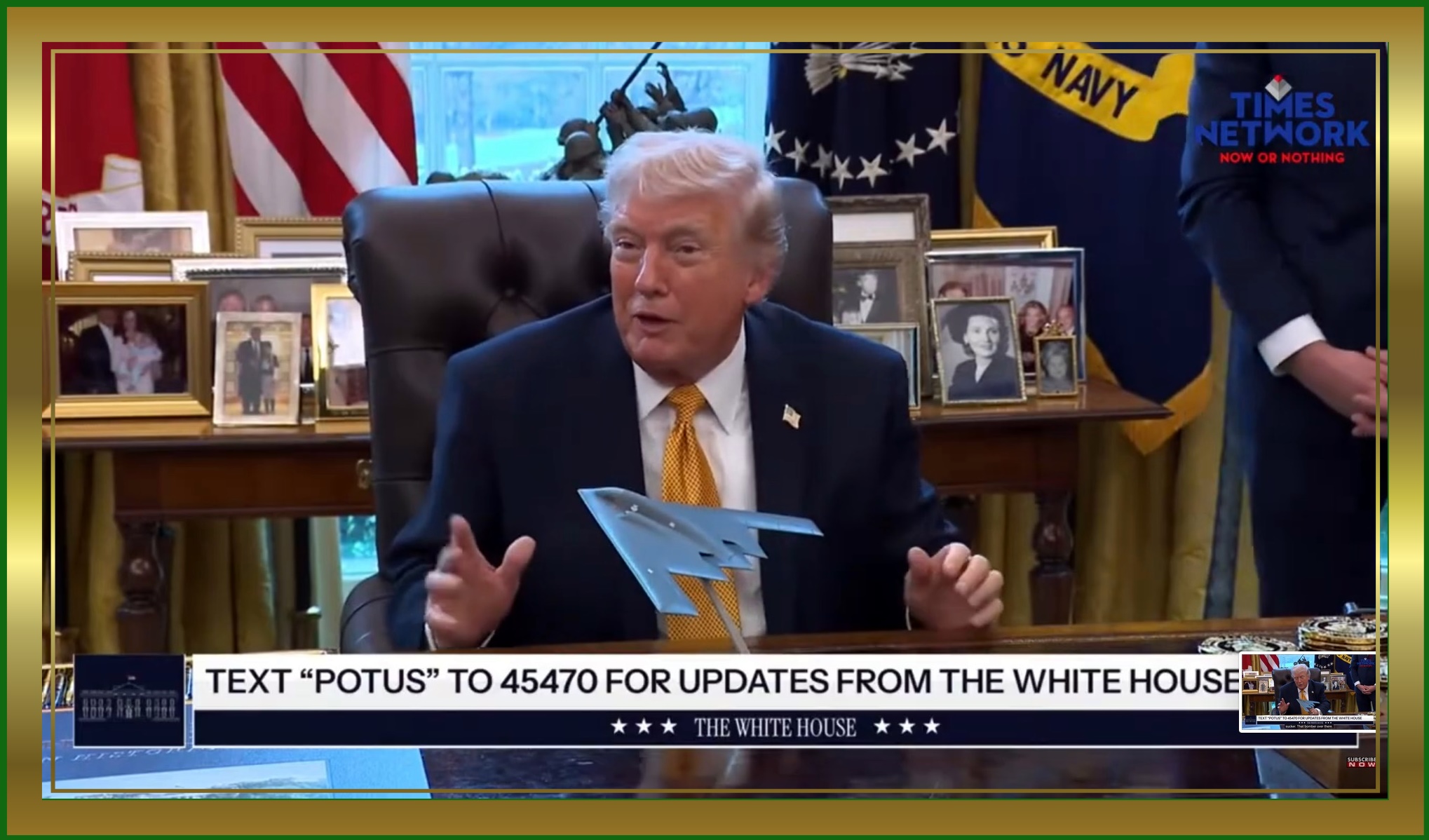
The B-2 is the only acknowledged in-service aircraft that can carry large air-to-surface standoff weapons in a stealth configuration.
The B-2 was first used in combat to drop conventional, NON-NUCLEAR ordnance in the Kosovo War in 1999. It was later used in Iraq, Afghanistan, Libya, Yemen, 2025 strikes on Iran and 2026 Iran war
The United States Air Force has nineteen B-2s in service as of 2024. Another was destroyed in a 2008 crash, and one was likely retired from service after being damaged in a crash in 2022. The Air Force plans to operate the B-2s until 2032, when the Northrop Grumman B-21 Raider is to replace them.
Development began under the Advanced Technology Bomber (ATB) project during the Carter administration, which cancelled the Mach 2-capable B-1A bomber in part because the ATB showed such promise, but development difficulties delayed progress and drove up costs. Ultimately, the program produced 21 B-2s at an average cost of $2.13 billion each (~$4.27 billion in 2025 dollars), including development, engineering, testing, production, and procurement. Building each aircraft cost an average of US$737 million, while total procurement costs (including production, spare parts, equipment, retrofitting, and software support) averaged $929 million (~$1.14 billion in 2024 dollars) per plane. The project's considerable capital and operating costs made it controversial in the U.S. Congress even before the winding down of the Cold War dramatically reduced the desire for a stealth aircraft designed to strike deep in Soviet territory. Consequently, in the late 1980s and 1990s lawmakers shrank the planned purchase of 132 bombers to 21.
Development began under the Advanced Technology Bomber (ATB) project during the Carter administration, which cancelled the Mach 2-capable B-1A bomber in part because the ATB showed such promise, but development difficulties delayed progress and drove up costs. Ultimately, the program produced 21 B-2s at an average cost of $2.13 billion each (~$4.27 billion in 2025 dollars), including development, engineering, testing, production, and procurement. Building each aircraft cost an average of US$737 million, while total procurement costs (including production, spare parts, equipment, retrofitting, and software support) averaged $929 million (~$1.14 billion in 2024 dollars) per plane. The project's considerable capital and operating costs made it controversial in the U.S. Congress even before the winding down of the Cold War dramatically reduced the desire for a stealth aircraft designed to strike deep in Soviet territory. Consequently, in the late 1980s and 1990s lawmakers shrank the planned purchase of 132 bombers to 21.
|


)
)
)
)
)
)
)
)
)
)
)
)
)
)
)
)
)
)
)
)
)
)
)
)
)
)
)
)
)
)
)
)
)
)
)
)
)
)
)
)
)
)
)
)
)
)
)
)
)
)
)
)
)
)
)
)
)
)
)
)
)
)
)
)
)
)
)
)
)
)
)
)
)
)
)
)
)
)
)
)
)
)
)
)
)
)
)
)
)
)
)
)
)
)
)
)
)
)
)
)
)
)
)
)
)
)
)
)
)
)
)
)
)
)
)
)
)
)
)
)
)
)
)
)
)
)
)
)
)
)
)
)
)
)
)
)
)
)
)
)
)
)
)
)
)
)
)
)
)
)
)
)
)
)
)
)
)
)
)
)
)
)
)
)
)
)
)
)
)
)
)
)
)
)
)
)
)
)
)
)
)
)
)
)
)
)
)
)
)
)
)
)
)
)
)
)
)
)
)
)
)
)
)
)
)
)
)
)
)
)
)
)
)
)
)
)
)
)
)
)
)
)
)
)
)
)
)
)
)
)
)
)
)
)
)
)
)
)
)
)
)
)
)
)
)
)
)
)
)
)
)
)
)
)
)
)
)